

Dutch asset manager €473 billion ($575 billion) APG’s recent decision to allocate €75 million ($82.6 million) to its first local currency China fixed income strategy has come with much thought on the potential risks. None more so than ensuring APG’s strict ESG criteria are met and navigating the indebted status of many Chinese companies. It means that all research and due diligence on the allocation, which will span private companies and government-run entities and won’t have any size limits or target particular maturities, will be done in-house rather than with the help of China’s credit rating agencies.
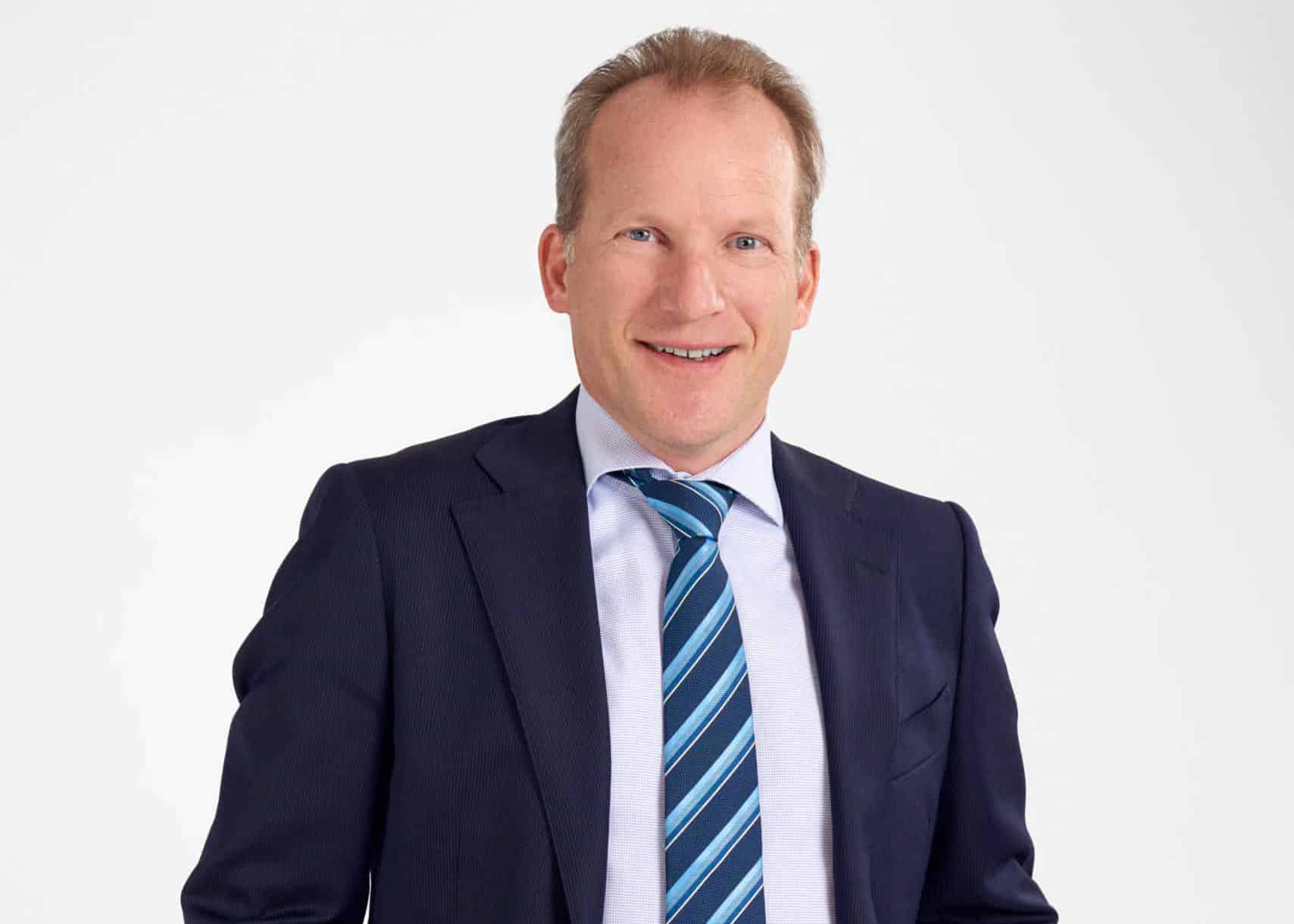
“We won’t rely on rating agencies. In China the output quality of most rating agencies is questionable, which makes it challenging to get an objective measure of the credit risk in the portfolio,” says Sandor Steverink, head of treasuries at APG who believes the manager’s capacity to carry out its own research is one of the reasons it has been able to launch the strategy ahead of competitors. “We analyse the risk of each issuer and create a diversified portfolio with good risk/return characteristics. Since we are used to doing this already, we have a comparative advantage on asset managers that do rely on rating agencies.”
That same capacity will ensure ESG is integrated across the portfolio, a challenging and time-consuming task even with the help of APG’s partner on the ground, $193 billion Guangzhou-based E Fund Management Co which also helps APG run its $657 million China A Shares strategy, launched early 2018.
“The challenge is getting access to ESG data since this information is not easy to find and Chinese institutions are less used to this concept. The availability of data on ESG and the transparency of most institutions isn’t very high so it will take more time and effort to select institutions that full fill our responsible investment standards,” says Steverink who hopes APG will be a catalyst for change. “APG is one of the global leaders in responsible investing and we think that we can contribute to set new standards in China.”
He notes most progress in ESG integration in environmental and climate matters, rather than social and governance, and says APG’s approach draws on the same tools the fund uses everywhere else in its giant portfolio.
“Critical thinking, transparency and asking questions to companies and institutions on these issues are relevant items of our approach globally, and also in China where we are integrating ESG in a similar way as in other countries.”
As for APG’s relationship with E Fund, Steverink says it is also pushing into new and interesting areas like knowledge exchange around pension systems, AI, IT and talent management.
“The cooperation is going smoothly since there is mutual trust and an enormous willingness to learn from each other. It is noticeable that the Dutch and the Chinese have entrepreneurship in common,” he says.
APG’s ‘China Fixed Income Strategy’ is being driven by the asset manager’s conviction that China’s fixed income market will offer some of the most compelling opportunities in years to come as the credit market grows (around 20 per cent annually according to APG estimates) in line with the Chinese economy.
It’s a trajectory that Steverink compares to the introduction of the euro at the turn of the century. He also believes that foreign companies and global institutions will increasingly consider issuing bonds in RMB alongside euros and dollar issuance. The strategy also offers a pick-up in yield from eurozone fixed income where negative interest rates have driven bond yields lower.
“The low yield environment has increased the need and the intensity to search for attractive risk/return alternatives.”
He doesn’t think Chinese fixed income carries undue risk.
“Most of the time the alternatives have a higher risk profile, but the China fixed income strategy has a low risk profile with solid expected returns and also, we see that the correlation with other parts of the fixed income portfolio is very low.”
APG won’t hedge currency risk as a rule, but will offer its clients (APG has seven pension fund clients including ABP, the pension for people working in Holland’s government and education sectors) the ability to hedge if they want.
“In general, we consider the G10 currency markets as efficient and hedge most of this exposure – especially if it is in fixed income otherwise the currency volatility can become higher than the bond volatility,” says Steverink. “In less efficient markets we do not hedge the currency since we like to receive the currency risk premium and the part of the portfolio is limited. China is somewhere in between, but since the allocation to RMB is still small and the currency volatility is low we do not advice our clients to hedge the currency risk to Euro, which is the currency of the pension liabilities.”
The strategy also offers diversification China, despite the further globalisation, still has its own dynamic, which provides diversification in your investment portfolio, because not everything moves in the same direction at the same time.
The new strategy comes with boots on the ground. APG is opening representative offices in Shanghai and Beijing. The portfolio managers are based in Hong Kong.
“In our view, being close to the market and its dynamics adds significant value to the execution of the strategy.”








Leave a Comment
You must be logged in to post a comment.
Login