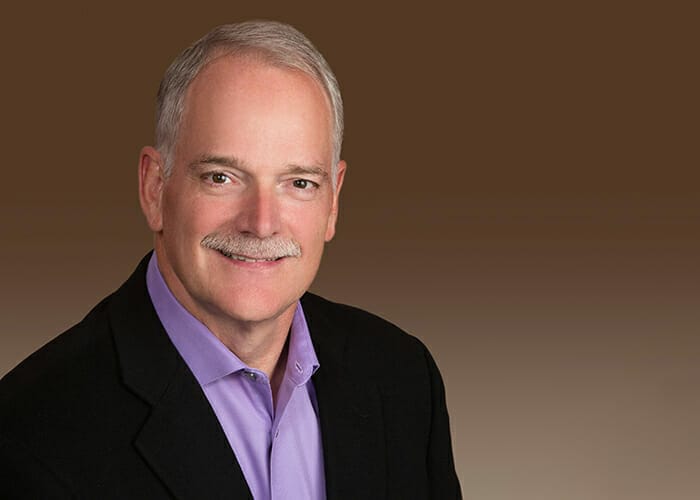

Gary Bruebaker, CIO of the $130 billion Washington State Investment Board, was raised by a single mother who worked her way up through Oregonâs state government payroll department to support Bruebaker and his two siblings. It is the financial security of hard-pressed public employees like his mother that he holds in his mindâs eye when he is managing the giant pension fundâs assets.
âFor every dollar of excess alpha we can earn, thatâs 50 cents that beneficiaries donât have to pay into their own retirement and 50 cents that the government doesnât have to pay either,â says Bruebaker, whose own public service spans 18 years at WSIB, along with time he served prior to that as Oregonâs deputy state treasurer.
Bruebaker isnât motivated only by making a difference. He also thinks large public-sector pension funds such as WSIB, where more than $100 billion of the total AUM lies in a defined-benefit commingledtrust fund, offer some of the most exciting investment management opportunities. WSIBâs portfolio spans six broad asset classes in six continents, 51 currencies and 14,000 holdings, in a long-term strategy balanced by constant evaluation and adjustment on the margins.
Today, this means exploring active strategies in the fundâs global equity allocation. More than half of global equity is in passive â WSIBâs default allocation â but Bruebaker wants to see if active managers can offer downside protection.
âOur default and belief is passive [management] in global equities, but we will invest in active strategies if we have a pound-the-table conviction about an active manager that they will add value and can offer a good fit for the portfolio,â he explains.
The fund is using both proprietary data warehouse tools and off-the-shelf modelling to analyse prospective active equity managersâ track records. The process reveals how strategies perform in upturns and downturns, and how they will protect the portfolio.
âOur active equity manager due diligence process provides as close a view as possible to what that manager would do going forward,â Bruebaker explains. âManagers in isolation may be great but add them to your portfolio and they may not always add value, alpha or protection.â
The fund is also developing its equity portfolio in other ways, following its decision to invest $2.5 billion in a fundamental index in 2014, a strategy that saved 50 basis points during October this year. Bruebaker is now working with the board, analysing different index structures and looking at whether to bring the strategy inhousefor more control.
The bulk of WSIBâs inhouse focus is on actively managing the $30 billion fixed income allocation. A team of 10 gives Bruebaker clear sight and access to the liquidity he needs to balance the fundâs 48 per cent allocation to private markets.
âBecause we have been invested in private markets since 1980, we have huge distributions, and that money needs to be redeployed,â he explains. âOur internal head of fixed income, Bill Kennett, isnât just a manager we call once in a while. Heâs here, in the building, and knows whatâs going on across the whole program.â
During last ďŹscal year, $4.9 billion in cash was transferred into ďŹxed income from other asset classes.
The fund is also planning to refresh its global equity manager pool and carry out more competitive searches for emerging managers. As part of the process, he is deciding whether to tweak the traditional focus on global and emerging-market searches in favour of country-specific strategies for the first time.
âWe donât know if weâll do it, but we are going to evaluate over the next 12 months whether to have a couple of different country strategies, which we could then overweight or underweight,â he says. WSIB works with 11 active public equity fund managers.
Strong equity markets in recent years have also fed into WSIBâs $21. 8 billion private equity portfolio, which has earned an internal rate of return, net of all fees and carried interest, of 13.5 per cent since its inception in 1981.
The portfolio tracks a model that targets 45 core relationships (some of which WSIB has invested with since 1981) and sets the allocation for each region and type of fund. It also flags when strategy deviates â such as the current overweight position to mega funds.
âWe are always striving to move toward this model portfolio. It doesnât deter us from an investment we think is good just because it happens to be in a strategy or geography we are overweight. It just forces us to look even harder for other good investments in an area we are underweight,â he says, adding that 45 core relationships, even for an allocation WSIBâs size, is the sweet spot. Over-diversification with additional relationships can easily lead to diminished returns; it also means more relationships to manage and more staff to manage them.
The best LP wins
Bruebaker says the success of the private equity portfolio lies in WSIBâs ability to access the best-performing general partners.
âA while back, one of our GPs raised a fund of one,â he recalls. âWe were the first call they made, and we were the only [limited partner] in the fund. We had another GP a couple of years ago that raised a fund of four; we were one of the first calls and one of the four.â
In the relationship business of private equity, itâs all down to being a desirablepartner, and this means LPs need to prove they are a high-quality investor and good for their word, he says.
WSIB staff attend every advisory committee meeting with its core private equity relationships. The pension fundâs policy is to add value not tick boxes.
âIf we have something to say, we say it; if not, we donât,â Bruebaker says.
And rather than a revolving door, WSIB always sends the same staffer to attend the same GP committee meeting, rather than sending Hamilton Lane, WSIBâs consultant on retainer, or a revolving door.
Bruebaker takes time to ensure GPs understand the fundâs transparency and governance stipulations so there are âno surprisesâ. He also thinks that not competing with GPs as a direct investor (impossible anyway, given WSIBâs pay and governance structure) helps obtain access to the best funds. He also describes tough but fair negotiation strategy on fees.
âWe are tough in negotiating for fair structures, but we donât push for the sake of pushing,â Bruebaker says. âWe understand the market drives the terms â fees are higher in private equity and real estate â but these allocations have proven to work for us.â
Board membersâ support for private equity, rooted in their understanding of private markets, is also crucial in accessing the best GPs. Any uncertainty around the program at board level will put GPs off picking up the phone and asking for long-term commitments, Bruebaker warns.
âWhatever you do in private markets, you want the board to own it, as you are going to need their support as markets ebb and flow,â he says. âWe show the board the net impact of private equity funds coming back and allocation decisions on the model portfolio projecting out four years. We say this is the impact this year, this is the impact over four years. Having our board buy in is so important. Itâs not an asset class you can jump in and out of.â
This also means success doesnât come quickly.
âWeâve been doing this for 40 years,â Bruebaker says. âItâs not something you can create overnight.â


Leave a Comment
You must be logged in to post a comment.
Login



