

The NZ$43 billion ($27 billion) New Zealand Super Fund is undergoing its five-yearly review of its reference portfolio, an innovative and unique asset allocation reference point that allows the fund to benchmark the performance of its actual portfolio and any value added through active management.
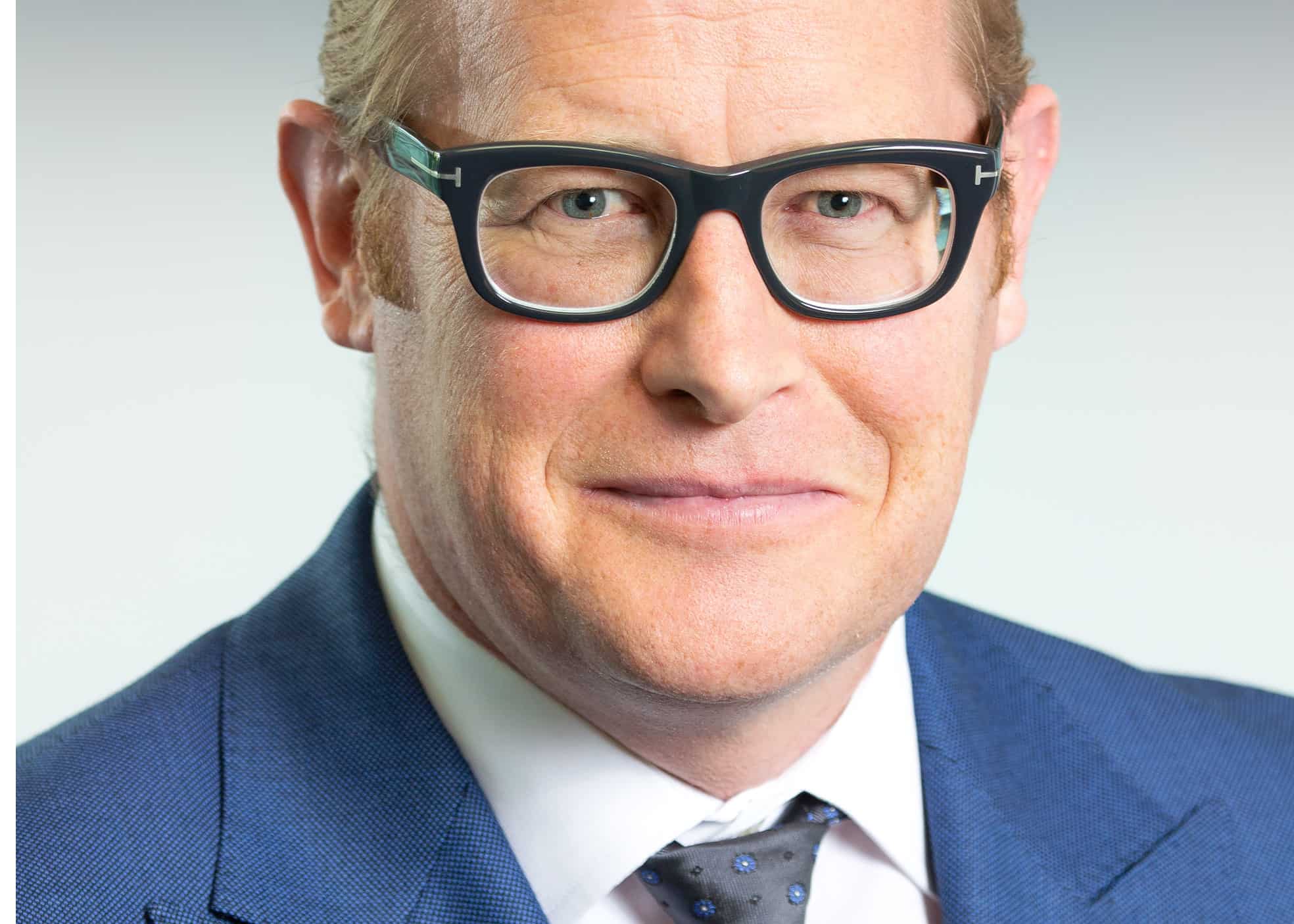
Chief executive of the fund, Matt Whineray, said the process should be completed by June next year and that there were two to three more meetings with the board, and risk testing required, before any decisions were made on changes to the reference portfolio.
One of the key challenges in the process according to Whineray is the calibration of long and short-term return expectations for the portfolio.
“One of the challenges is we have a long run expectation of returns which is cash of 5, risk premium of 2.7 and plus 1 per cent of value added – so we expect 8.7 per cent over the long run. Over the short term that might look very different. We are not in that environment now, the cash rate is not there and we are not taking active risk, so we are maybe expecting about 5 to 6 per cent on the reference portfolio,” he said.
Importantly he points out that 8.7 per cent is not a forecast but a long run expectation, a gentle nuance, and one of his challenges is how to communicate that fine distinction to various stakeholders.
The reference portfolio is the most simple form of how the fund could achieve its stated risk/return goal and is expressed in a passive allocation of defensive and growth assets. The current reference portfolio set in 2015 is global equities, developed markets (65 per cent), global equities, emerging markets (10 per cent), New Zealand equities (5 per cent), and fixed income (20 per cent).
How NZ Super actually allocates is a deviation from that reference portfolio and can be expressed in active decisions both in allocations and style of management. It’s a similar approach to CPPIB and allows for very clear attribution.
“In figuring out if we are going to make any changes to the reference portfolio we have to ask if relativities have changed or is everything lower?” Whineray says. “If everything is going to be lower then we may have the same percentage allocations. Now we think bonds are really expensive and equities are a bit expensive.”
In NZ Super’s tactical positions, which has been a good source of active return, the fund has been short bonds for quite a while.
“The other question is where do we express our opportunities. In the reference portfolio we don’t express prices, we do that in TAA – it’s an important design construct of the reference portfolio.”
In December 2018 New Zealand Super appointed a new chief investment officer, Stephen Gilmore, a local Kiwi who had spent nine years at Australia’s sovereign wealth fund, the Future Fund, most recently as head of strategy.
“Stephen’s arrival has also given us fresh eyes to ask why do we or don’t we do certain things,” Whineray says. “Stephen has sat down with all the investment staff (about 55 people) and uncovered their previous experience and how that might be used now in their current jobs.”
The arrival of Gilmore has also prompted a review of the use of hedging. Historically the fund hedged 100 per cent to the New Zealand dollar, and got paid a bit to do that.
“Now with the interest differentials at zero or flipped, we don’t get paid to do that. So with Stephen we’re looking at that.”
The fund is also looking at its active risk in a bid to diversify it and “not be too beholden to a single thing”. Currently the active risk is in direct investing, catastrophe bonds, distressed debt, and dynamic asset allocation, or tilting, which is the biggest active risk.
The DAA, which sits under David Iverson, began in 2009 with the only trades the New Zealand dollar versus other currencies and bonds versus equities. But the breadth of the DAA has increased a lot since then. It now includes nine equity markets versus themselves and cash, nine currencies, nine bonds, credit, and commodities.
“At one point with our currency tilt we were 40 per cent short the Kiwi versus the portfolio. We have changed so that there is no single thing that has really as much risk.”
Two years ago the fund included carbon exclusions in its reference portfolio, which was a bold move expressing the fund’s view of carbon risk (NZ Super cleans out its carbon). The fund is now almost at its 2020 targets.
Outstanding returns
New Zealand Super has returned 14 per cent per year over the past 10 years, and in the year to June 2019 returned 7.02 per cent. But Whineray sees this as a reason to be cautious.
“This is one of the reasons why we are not as confident of the future, we think we should expect to see some lower years in terms of returns,” he says.
With the portfolio made up of around 80 per cent equities, volatility is part and parcel of the future.
“My message since becoming CEO is there is a lot of volatility inherent in our portfolio so we shouldn’t be surprised by that. Our risk is not that we’ll have volatility, we know that. The risk is people will lose their nerve in that volatility, it’s not the time to lower risk.”
While the fund returned just over 7 per cent for the year, for the six months to Christmas day it was down by that much.
“That shows what a ripper of a first quarter we had,” Whineray says.
“I have tried to be clear in the messaging about the difference between risk and volatility. Volatility means you have to take risk to generate returns but that means you might not generate returns. Risk is someone takes the keys off you.”
He points out that the board is tasked with the statutory obligation of making the maximum return without taking undue risk, but that it has no help in interpreting that.
“What’s the point at which the sponsor might not be willing to continue? Because you don’t want to get that far,” he says. “Size the strategy at which its serviceable, you have to live with the journey.”
Whineray started at the fund in 2008 as general manager of investments and spent four years as chief investment officer before coming chief executive in July 2018.
In the new role the main shift for him has been the time spent on stakeholder management, more dealing with the board and more time on strategy, culture and talent. And he’s been busy with new projects for the fund.
In addition to the five-yearly portfolio review, the government has given the fund a new mandate to develop the New Zealand venture capital market. It also has a light rail project with CDPQ Infra in Auckland, and in the past two years there have been a bunch of appointments. In fact the HR group has made 50 appointments, 20 of which were internal and the fund is now approaching 150 staff across the organisation.
The fund also moved to the cloud last year, and added tech, operations and risk functions across the teams. All of which has kept him busy.
Since Whineray took the helm, NZ Super has also done a “values” refresh. Previously the funds values were outlined as integrity, inclusiveness, and innovation (coincidentally the Reserve Bank of New Zealand, where former head of NZ Super Adrian Orr is now Governor, has the same set of corporate values).
The fund was due for a values refresh, Whineray says, because not only has it grown and changed a lot, only a handful of people now at the fund were there when the values were created.
Whineary and the team took a novel approach to getting staff input into the corporate values. They used an APP, Sense Maker, that the fund uses on its farm investments to try and understand core issues. The APP collects stories and then finds common issues in the stories. It asks people to do things like tell a story about the time you were proud, or not proud, or a time you made a particular decision.
For the values project the fund collected 120 stories and categorised them across people and process, clustering them to get common themes and from that, values.
What came out was:
- Stand strong – frameworks, coping through times of difficulty and be principled
- Support each other – very personally supportive culture
- Team not hero – commitment to the whole
- Future focused – what would the future me thing of this decision
Those values were then turned into cartoons, as a visual aid, and are listed in the annual report.
“We got a common story and connection from people’s narratives. Now we can use those values to solve dilemma.”
Whineray and his team have also been commended for taking a leadership position around their dealing with social media companies in response to the Christchurch massacre (NZ investors act on terror attack.).
It has now signed up 89 organisations with NZ$13 trillion in support, and to engage directly with social media companies Facebook, Google and Twitter to encourage them to strengthen controls that will prevent the live streaming and distribution of objectionable content.
The collaboration supports the Chirstchurch call, facilitated by the New Zealand and French governments, which is a commitment by governments and technology companies to eliminate terrorist and violent extremist content online.








Leave a Comment
You must be logged in to post a comment.
Login