Sustainability among key industry’s tagged for China’s growth

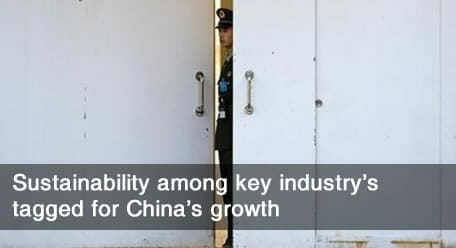
It’s not very salubrious but it’s secure. The four-star Jingxi Hotel in Beijing (pictured), which is owned by the People’s Liberation Army, hosted the annual plenum of the Communist Party’s Central Committee to draft the country’s next five-year plan.

The 12th five-year plan, nutted out by about 300 committee members, will be put to the National People’s Congress in March for ratification. The key themes in the latest plan are sustainability and reducing inequalities between provinces.

Analysts are predicting a lower GDP-growth target to be discussed between now and March, with details of the plan coinciding with a surprise 25bps point rise in the official interest rate last week – the first in China for three years.

A research note from HSBC Global Banking and Markets says more growth is likely to have to come from private consumption which has dropped from 50 per cent of total GDP to an estimated 36 per cent in the past 20 years.

“Expect further efforts to boost household incomes, primarily through higher minimum wages, as well as lower personal taxes,” the bank says.

Notwithstanding the stated concern for poorer provinces, the latest plan intends to speed the demographic shift to the cities, which will further boost consumption.

Sponsored Content

After the meeting, the Government confirmed a list of emerging strategic industries to be at the forefront of a “higher quality” of economic growth. They are: energy-saving and environmental protection firms, next generation IT, biotech, high-end manufacturing, new energy, new materials and composites, and clean-energy cars.

According to Shanghai Securities News, the group of industries currently make up only 3 per cent of GDP but are expected to contribute at least 15 per cent by 2020.


Leave a Comment

Sort content by

Consultants getting active on new ways to pay external managers

A funds management fee which starts from a low base but ratchets up or down annually according to performance since mandate inception has been floated by Mercer as an alternative fee model. mrec4inarticleinline Sponsored Content scnative1 scnative2 scnative3

“Perverse” fall in UK pension liabilities

The pension deficits of UK pension funds actually retreated last month, despite the worst stock market performance since early last year. mrec4inarticleinline Sponsored Content scnative1 scnative2 scnative3

Florida set to move on timber investments

The $141.8 billion Florida State Board of Administration has finalised a list of six timber managers, as it moves towards allocating capital to the timber asset class, as part of its strategic investments allocation. mrec4inarticleinline Sponsored Content scnative1 scnative2 scnative3

Canadian funds prioritise liability matching

Asset allocation has bumped alternative investments as the top investment issue for Canadian defined benefit pension plans, but asset-liability matching will take the cake in the next three years, according to a study by Towers Watson. mrec4inarticleinline Sponsored Content scnative1 scnative2 scnative3

CPPIB ends year on a high

Capitalising on opportunities arising from the financial crisis, including savvy private equity, real estate, infrastructure and private debt deals, marked a successful fiscal year for the Canadian Pension Plan Investment Board which recorded one of its highest ever annual returns. mrec4inarticleinline Sponsored Content scnative1 scnative2 scnative3

Temasek’s executive restructure

The S$172 billion ($120 billion) Singaporean investor, Temasek, has made a number of changes to its executive management structure, separating the executive director and chief executive positions and appointing a dedicated head of portfolio management. mrec4inarticleinline Sponsored Content scnative1 scnative2 scnative3

Previous



