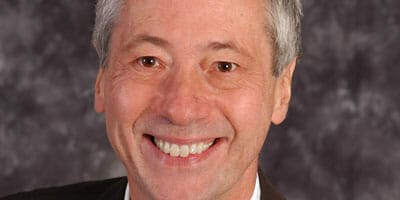

State Street’s Probyn into 2013

The current equity rally is not predicated on a shift in economic performance, according to chief economist at State Street, Chris Probyn, who says it would be reasonable to say the market may “pause for thought”.

Probyn says the move from fixed income to equities has been fostered by some of the “economic areas for concern” being eliminated.

These include the avoidance of a hard landing in China, and a disorderly breakup of the euro, proactive policy responses in Japan and the avoidance of the US fiscal cliff.

“These have all been ticked off,” he says. “But still growth is not great. The fourth quarter earnings reports have been good, with the notable exception of Apple, so there is some fundamental support for equities. But there is no fundamental upshift, so the size and speed of the rally is a little surprising.”

Probyn’s outlook for 2013 is for 0.25 per cent global growth, driven by a 0.5 per cent growth in emerging markets.

His economic outlook for developed markets is zero growth, which he partly attributes to fiscal policy decisions.

Sponsored Content

“We have reinvented economics, when the economy is weak we stop government spending, it is a failure of policy and we are repeating the mistakes of the 1920s,” he says.

Probyn also attributes the equity rally to a certain psychological behaviour.

“People have worry fatigue, they are tired of worrying about the same things,” he says.

State Street doesn’t have a big economics department, three people in fact. One emerging markets specialist plus two who look at the G8, defined as the G7 plus Australia (because of State Street’s presence in that country).

Probyn believes that in order to understand certain asset classes there needs to be an understanding of the global economic story, such as the relationship between resources and China.

He admits that for most economists it is difficult to predict exact growth numbers, but it’s more important to get “the overall story right”. Last year that overall story was further growth moderation, and that is the outlook for 2013 as well.


Leave a Comment

Sort content by

Slavery victims look to financial world

Speaking at the PRI in Person in Paris in a panel to highlight the role of finance in addressing social issues, Ghanaian James Kofi Annan, sold into slavery at the age of six, told his story.

Pizza and diversity: How funds move dial

Empowering long-term influential asset owners to invest responsibly is the key to hastening take-up in responsible investment. Delegates heard how some leading asset owners are doing this through their diversity and ESG practices.

Responsible FI promotes good markets

Responsible investment has assumed an increasingly central role in fixed income portfolios and in the experience of Jørgen Krog Sæbø CIO, fixed income, and Lars Tronsgaard deputy managing director at Folketrygdfondet, which manages the Government Pension Fund Norway, one part of Norway’s Government Pension Fund, adopting a responsible investment focus builds more integrated understanding and deeper insight into companies.

At a glance: FIS Cambridge day three

An overwhelming number of delegates at the Fiduciary Investors Symposium said the funds management industry was not doing well in innovationMartin Gilbert, who started Aberdeen Standard Investments in 1983 and is now chair, said industry participants needed to innovate and disrupt themselves.

Climate change risk to spur stress test

Mercer has quantified a ‘low-carbon transition’ premium in the sequel to its seminal climate change report, showing that a 2⁰C scenario equates to 11 basis points per annum to 2030 in a typical growth portfolio.

ATP’s approach to ESG

The giant Danish fund, ATP, takes a comprehensive approach to ESG including voting and engagement, as well as a large investment in green bonds. Ole Buhl is vice president and head of ESG at ATP explains.

Previous




