
CalPERS examines adopting SDGs

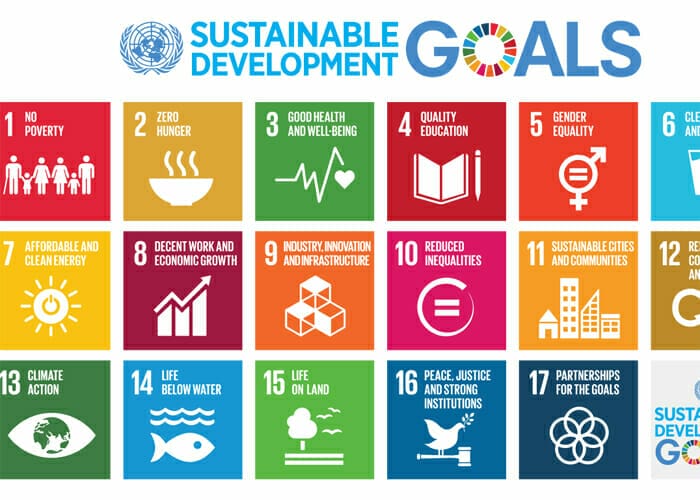
The board of CalPERS has directed staff to look into aligning its $357 billion portfolio with the UN’s sustainable development goals.

The largest pension fund in the US is already one of the global leaders in engaging with companies on ESG risks, but by adopting the UN SDGs it would embrace more specific social objectives, such as ending poverty, hunger and gender inequality.

CalPERS’ chief investment officer Ted Eliopoulos characterised the 17 SDGs as a “gift to investors” at the board’s retreat meeting on January 16 in Petaluma, California. He said investment staff would report back to the board at its July meeting regarding how the goals could connect with CalPERS’ existing sustainability investment plan. Other institutional investors will be invited to that meeting to discuss their experiences implementing the SDGs.

The 17 goals address everything from the environment to various social principles. But Eliopoulos acknowledged in an interview that whether aligning a portfolio with them when they are combined will lead to better returns hasn’t been tested.

“It is definitely a nascent area and the taxonomy that the UN has provided through the sustainable development goals provides a framework for investors that have long tried to consider what subject matters fall under the environmental and social” categories, Eliopoulos said after the meeting.

He called the UN’s SDGs, which 190 nations ratified in September 2015, “authoritative” but said “for investors, it’s a new development and it’s going to take time to digest and understand” how it might relate to portfolios.

Sponsored Content

He said collaboration with other global pensions would help shape the ultimate application of the SDGs. Australian fund Cbus Super and large Dutch pension plan ABP have both made the SDGs part of their investment plans. Other European funds, such as Dutch PGGM, are also incorporating them into their investment philosophy and implementation.

The move towards implementing SDGs at CalPERS came after the board and investment staff heard from UN assistant secretary-general Elliott Harris, who urged CalPERS to adopt the goals. He said that would help the UN.

“We need to understand how best to measure the impact of the SDGs on financial returns, and how best to preserve the goals and targets in ways that attract the interest of private investors,” Harris said.

He explained that while CalPERS’ sustainable investment strategic plan considers factors such as climate change and natural resource scarcity, that may not be enough.

“The concept of risk may well have to be expanded even further to incorporate the lack of progress toward some of the other aspirations of the sustainable development agenda – such as reducing inequities or [achieving] gender empowerment and equity – which themselves have an impact on macroeconomic factors,” he said.

Harris said CalPERS’ leadership would help generate standards of financial reporting that allow for a systemic evaluation of these new risks.

CalPERS investment director for sustainability, Anne Simpson, said in an interview that she believes implementing the UN goals will help the system drive returns. The pension plan has only a 68 per cent funding ratio and is in the process of lowering its expected annual rate of return from 7.5 per cent to 7 per cent because of diminished future return expectations. Simpson called the situation “demanding”.

“The sustainability development goals are intended to build prosperity,” she said. “As an investor, you could say this is how you build opportunity for us and risk gets addressed. So, that’s really why we’re interested.”

Leave a Comment

La Caisse’s oil exit pays off as renewables portfolio pulls ahead of fossil fuels

La Caisse’s oil exit pays off as renewables portfolio pulls ahead of fossil fuels

Divesting from the oil sector has been a boon for La Caisse’s performance, as the Canadian pension giant says its energy investments have earned billions in value-add compared to the benchmark since the inception of its climate strategy. Head of sustainability Bertrand Millot unpacks the fund’s approach in an interview with Top1000funds.com.

Sort content by

The transition from ESG to SDG

Asset owners reflect on the challenges of integrating the SDGs like problems aligning fiduciary duty to some of the targets of the 17 goals and the fact most of the capital going into the SDGs flows into listed companies in the global north.

Cambridge endowment talks inflation and divestment

Rising inflation will make it more challenging to meet the £4 billion Cambridge University Endowment Fund’s 5 per cent return hurdle, said Tilly Franklin, CIO, speaking at Sustainability in Practice. Franklin oversees a multi asset, diversified portfolio that is managed externally. The fund has significantly outperformed over the long term (10-year returns are 11 per

Private credit’s pivotal role in low-carbon transition

Private credit will play a vital role in accelerating the transition to a low-carbon economy. According to Rob Horn, global head of the Blackstone Credit Sustainable Resources Group, this role is set to get a whole lot bigger.

Investors coalesce around biodiversity to halt loss

Investors are coming together to push investee companies to act on biodiversity in the same way that they have collaborated to put pressure on the biggest polluters to reduce their emissions.

ISSB promises to ease the sustainability reporting burden

The burden of sustainability reporting was a cause of consternation amongst investors gathered at Sustainability in Practice at Cambridge University, but new standards promise to streamline the process.

CalSTRS factors in net zero implications

CalSTRS is putting in place building bricks to meet its 2050 net zero pledge in a process that underscores the complexity and size of the task in hand.

Previous




