
ATP reunites alpha and beta after 6 years

Alpha and beta rely to a large extent on exposures to systematic risk factors, so goes the “2013 thinking” of ATP in reversing the decision to separate alpha and beta in its investment portfolio six years ago.

ATP has separate hedging and investment portfolios, with the hedging portfolio significantly larger at around DKK 670 billion ($122 billion) versus DKK10 billion ($1.82 billion), and the investment portfolio has been separated into alpha and beta. The separation was so distinct that the beta team was run from the head office, but ATP alpha was on another site, and was based on a small number of independent risk-taking teams.

The beta portfolio is split into five main risk classes or factors and the alpha portfolio will now be taken into this framework within beta.

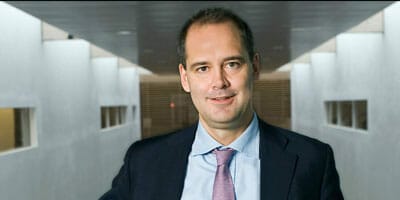
“In the main, we conclude that alpha and beta are a question of exposure to systematic risk factors. We therefore see alpha and beta together in the same portfolio. It’s a development of our thinking,” chief investment officer Henrik Jepsen says. “It’s more like smart-beta risk factors. We are internalising these deliberations and want a more coordinated framework.”

ATP alpha will now be restructured and, while it is still to be determined which strategies will be pursued and which risk factors the fund wants exposure to, it will lose half of its 35 staff.

Jepsen acknowledges that having a small number of independent risk-taking teams was both a strength and a challenge.

Sponsored Content

One of the challenges was that with a large number of small teams it is difficult to scale the size of the total risk in the alpha exposure. In this way it was difficult to scale the investment efforts, and there was also a risk of over-diversification.

“In addition, the difficulty of scaling the efforts meant it was an expensive operation to run. We think it is important to have a focus on cost because we are in a low expected-return environment,” he says. “And thirdly, and most importantly in the long term, we think we can achieve better portfolio coordination.”

“The alpha group has been a success, after all costs and taxes, but while alpha has been $310 million, the fund is $120 billion, so we want to scale even more. It’s a challenge.”

This presents a conundrum for many large pension funds that use scale for cost reduction and negotiation. This may mean that these funds can not manage such strategies internally and achieve those aims, in light of the fact that the success of some of these strategies depends on being small and nimble.

ATP will continue to use the multi-strategy investment platform it has developed in the alpha business, where it managed long-short equity, equity market neutral, global macro, foreign exchange and currency.


Asset Owner:ATP

Leave a Comment

Sort content by

Demographic problem mostly about haves and have-nots

The demographics driving the funds management industry, of ageing populations almost everywhere, are more complicated than you think. Greg Bright spoke to the Asia Pacific leader for Towers Watson, Bob Charles, who is a demographics expert, about the real demographic problems facing the world.mrec4inarticleinline Sponsored Content scnative1 scnative2 scnative3

Equities lose out to bonds for Europe’s sustainable investors

Bonds are the favoured asset class at 53 per cent among European sustainable and responsible investors with equities dropping to 33 per cent, according to a Eurosif SRI report.mrec4inarticleinline Sponsored Content scnative1 scnative2 scnative3

Tail risk hedging should be part of broader strategy

With bond yields at historic lows, particularly in the US, pension funds have been searching for new forms of downside protection to reduce tail risk, boosting demand for certain types of hedge funds in the process. In the US, too, where demand is invariably met by a quick supply of new products, specialist ‘tail-risk funds’

Endowment funds turn to alternatives

Foundation and endowment funds are allocating the largest percentage of alternatives to their portfolios, with public funds coming second ahead corporate plans in third place.mrec4inarticleinline Sponsored Content scnative1 scnative2 scnative3

The case for a new look at global benchmarks

Indexes are important for pension funds. They benchmark the fund’s performance against goals and peers. They allow the fund’s managers to be measured and often times they decide the managers’ remuneration. You would think, then, that there must be a lot of science behind their use.mrec4inarticleinline Sponsored Content scnative1 scnative2 scnative3

Asia Pacific funds passport gathers momentum

State Street has thrown its weight behind the proposal for the Asian Pacific region to collaborate on development of an ‘Asian Funds Passport’ to facilitate the growth of locally domiciled managed funds.mrec4inarticleinline Sponsored Content scnative1 scnative2 scnative3

Previous




