
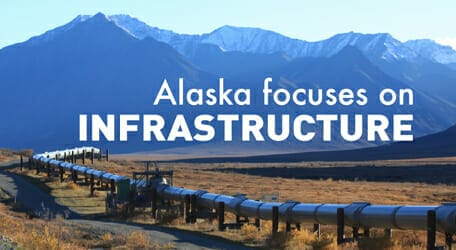

Infrastructure co-investments will be a new area of focus for the $36.6 billion Alaska Permanent Fund, as reflected in changes to its strategic asset allocation last week.
 In July 2009 the fund changed the way it allocated assets – looking at underlying risks or economic conditions, not asset buckets – with a view to building an all-weather portfolio. It came up with five categories: company exposures, real assets, special opportunities, interest rates and cash.
This latest asset allocation tweak sees company exposures increase by 2 per cent to 55 per cent of the allocation, and infrastructure increase from 3 to 4 per cent.
The special opportunities bucket has been reduced as a result from 21 to 18 per cent.
While the company exposures allocation has been increased, it will not require new mandates, as existing mezzanine debt and credit opportunity mandates have been transferred from the special opportunities bucket.
Within the special opportunities, Alaska has embraced the “external CIO” concept, and awarded seed mandates of $500 million to five managers – PIMCO, GMO, Bridgewater, AQR and Goldman Sachs.
At last week’s board meeting, changes to the infrastructure investment policy were approved to allow investments in infrastructure funds based on the recommendation of an independent fiduciary, and to add authority to co-invest subject to a board-approved process.
The 1 per cent increase in the target allocation will allow room for this asset class to grow over the next few years.
Infrastructure is part of the real assets exposure, which also includes real estate and TIPs.
The fund, which returned 20.6 per cent for the 2011 financial year, has re-elected Bill Moran (pictured) as chair and Steve Rieger as vice-chair at its annual meeting.
It is still without a chief investment officer following the resignation of Jeff Scott.








Leave a Comment
You must be logged in to post a comment.
Login