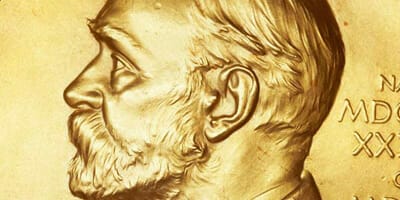
2013 Nobel Prize in economics split three ways

There is no way to predict whether the price of stocks and bonds will go up or down over the next few days or weeks. However, it is quite possible to foresee the broad course of the prices of these assets over longer time periods, such as the next three-to-five years.

These findings, which may seem both surprising and contradictory, were made and analysed by this year’s laureates, Eugene Fama, Lars Peter Hansen and Robert Shiller. Read the winning paper of the 2013 Nobel Prize in Economic Sciences, Trendspotting in asset markets.

Sponsored Content

Leave a Comment

Sort content by

‘Coherence’ key for defined contribution

As the world moves to defined contribution structures, many questions remain about its robustness, not the least of which is how defined contribution funds deliver adequacy.

Program related investment highs + lows

Program related investment is a growing passion for wealthy individuals behind foundations and endowments, but it is a growing source of concern for their chief investment officers.

Slow death for Japan’s pension funds

Pensions expert, Hidekazu Ishida, talks about the state of corporate pension funds in Japan – from where they’ve been to where they’re going – and discusses some popular investment strategies.

A look into the future of investing

The future of investing is in the creation of new wealth, not recycling claims on old wealth, according to the World Economic Forum’s Global Agenda Council on the Future of Investing.

Investment theory: good ‘in theory’

Investors should not rely on investment theory because the complex and connected risks in the real world cannot fully be accounted for, says Tim Unger, of Willis Towers Watson.

CALPERS’ chief navigates ‘perfect storm’

Outgoing CaIPERS’ CEO, Anne Stausboll, talks to Amanda White in an exclusive interview, about her passionate views on sustainability, simplifying the portfolio, and where improvements are needed.

Previous




