

The $260 billion New York State Common Retirement Fund (CRF) will divest and restrict approximately $26.8 million of corporate bonds and actively traded public equities in eight integrated oil and gas companies, including ExxonMobil.
The fund has taken the step of divesting or restricting its investments in companies whose energy transition plans do not measure up to “minimum standards to assess transition readiness and climate-related investment risk”.
The fund’s most recent divestments and restrictions follow similar steps taken in 2023 in 50 companies which it also assessed as not being sufficiently prepared for the energy transition.
As a result of its latest review, the New York fund will restrict or sell down its holdings in Exxon, Guanghui Energy Company, Echo Energy, IOG, Oil and Natural Gas Corporation, Delek Group, Dana Gas, and Unit Corp.
Under New York Comptroller Thomas DiNapoli’s 2019 Climate Action Plan, the CRF aims to transition its investment portfolio to net-zero greenhouse gas emissions by 2040. (See NY State Common’s climate plan).
One of the fund’s core climate-change beliefs is that most of its investments are at some degree of climate change-related risk, but there is still time for those risks to be managed.
The fund plans to conduct analysis on companies in its portfolio that operate in sectors identified by the Taskforce on Climate Financial Disclosure as being high-impact; and on major US-based utilities which it believes are “among the highest emitters of greenhouse gases, but also potential leaders in developing climate solutions”.
The fund believes that some of the companies at greatest climate change risk are also among those best-placed to develop and offer climate change solutions. It says engagement with investee companies is a key component of how it identifies and addresses climate-related risks.
more investment in solutions
In a related development, NY Common said it is doubling its commitment to the Sustainable Investments and Climate Solutions (SICS) program, after announcing last week it had hit its initial target of investing $20 billion in the program.
SICS was established by DiNapoli as part of a 2019 Climate Action Plan roadmap drawn up to address climate risks and opportunities across all asset classes.
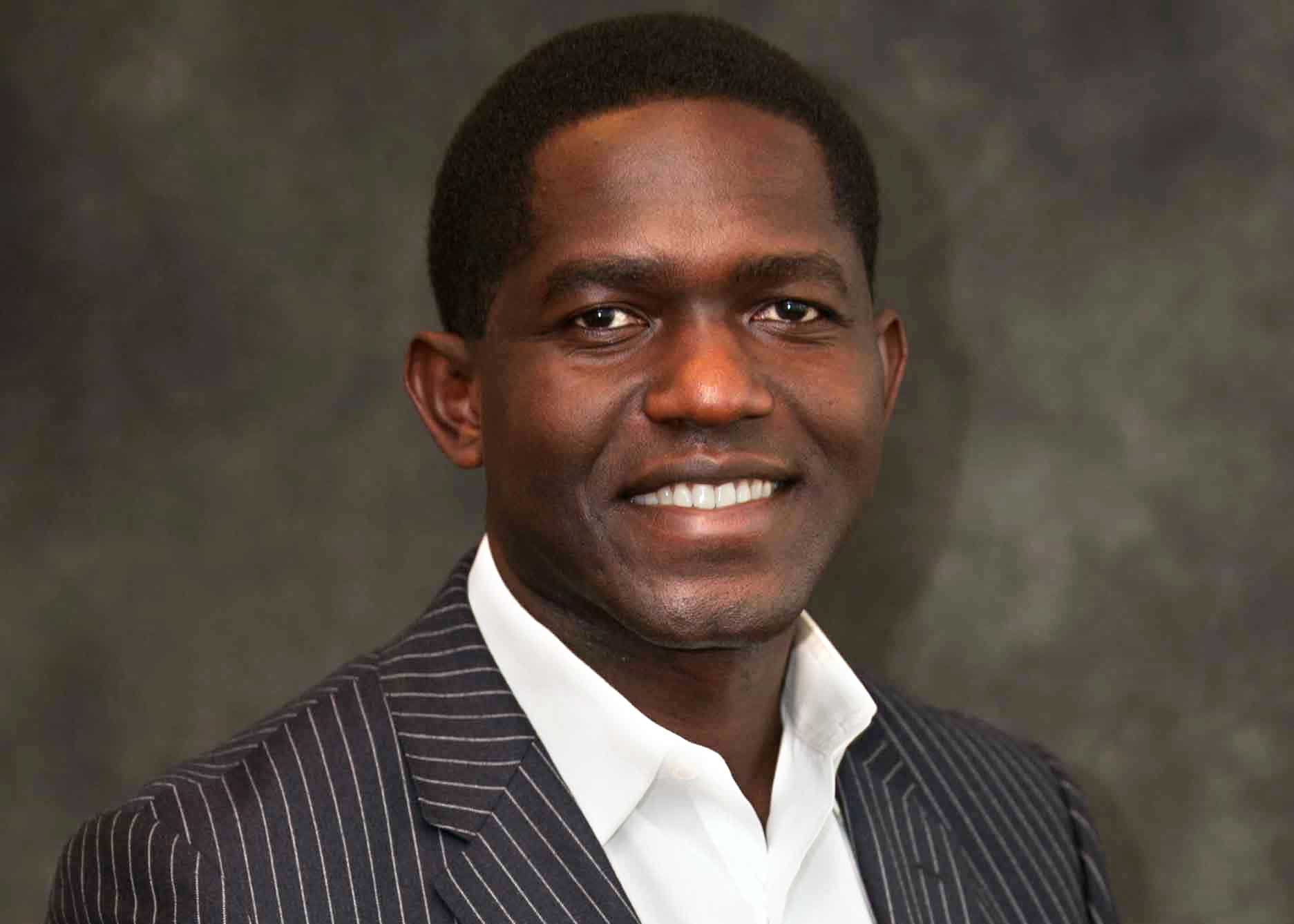
SICS’ investment goals are closely aligned to the United Nations Sustainable Development Goals, and it is managed by NYCRF head of sustainable investments and climate solutions Andrew Siwo.
State Comptroller Thomas P DiNapoli said that having hit its initial investment target, the CRF now plans to invest another $20 billion in SICS by 2035. In a statement, DiNapoli said the fund would “increase its climate index investments by 50 per cent to over $10 billion over the next two years, with the longer-term goal of doubling it by 2035”.
At the end of December 2023, the fund held about $109 billion (41.84 per cent of total assets) in publicly traded equities and about $38 billion (14.75 per cent) in private equity. Cash, bond and mortgage assets totalled about $59 billion (22.62 per cent) and its real estate assets stood at $35 billion (13.3 per cent). Credit, absolute return strategies, and opportunistic alternatives accounted for about $19 billion (7.49 per cent).
The fund has a long-term expected rate of return of 5.9 per cent a year and it returned an estimated 6.18 per cent for the three months to the end of December.
Note: This article was edited on 6 March 2024 to correct the value of investments to be restricted and divested by NYSCRF to $26.8 million.








Leave a Comment
You must be logged in to post a comment.
Login