
Merger progresses company ESG reporting

In a move that will help solidify a global system of ESG reporting standards, the Sustainability Accounting Standards Board and the International Integrated Reporting Council will merge to create the Value Reporting Foundation.

The merger helps progress the vision of a single, coherent system of corporate disclosure, an essential ingredient for investors and corporates serious about ESG reporting.

Chair of SASB, Robert K Steel, said the merger was an important step in enabling investors to communicate with clarity and ease about the issues that matter most to financial performance. Importantly it helps to eliminate the fragmented reporting landscape that currently exists in ESG.

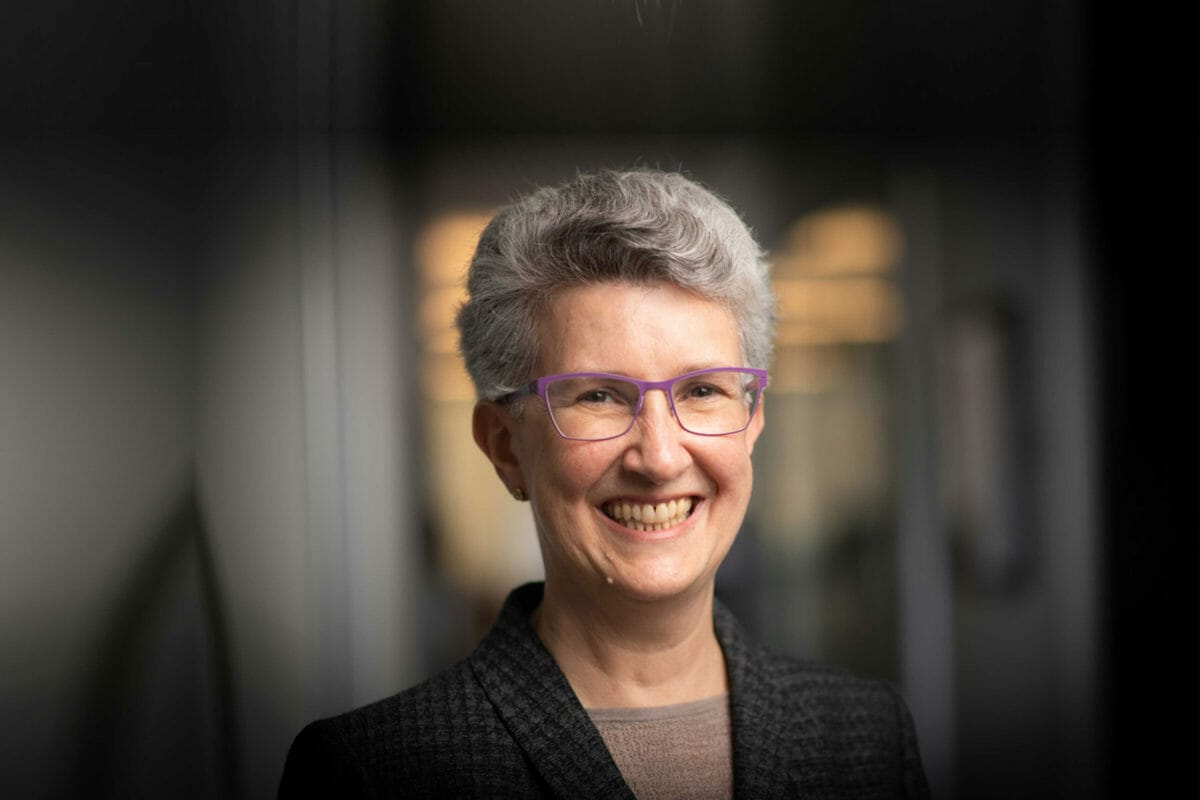
The merged entity – which will be headed by the current CEO of SASB, Janine Guillot – will maintain the Integrated Reporting Framework, advocate integrated thinking, and set sustainability disclosure standards for enterprise value creation. The organisations said that the merger directly responds to calls from global investors and corporates to simplify the corporate reporting landscape, providing the market with a clear solution for communicating about the drivers of enterprise value.

The Value Reporting Foundation could eventually integrate other entities focused on enterprise value creation, and the Foundation and Climate Disclosure Standards Board have jointly signalled interest in entering into exploratory discussions in the coming months.

“Sustainability disclosure is at the top of the agenda for many, creating incredible momentum towards simplifying the corporate reporting landscape.  By merging two organizations focused on enterprise value creation, we hope to clarify the field. We stand ready to engage with the efforts of the IFRS Foundation, IOSCO, EFRAG, and others working towards global alignment on a corporate reporting system,” says  Guillot.

Sponsored Content

The merger will advance the work of CDP, CDSB, GRI, IIRC and SASB in the Statement of Intent To Work Together Towards Comprehensive Corporate Reporting, which outlines a vision for a comprehensive corporate reporting system.


Listen to Janine Guillot in conversation with Amanda White

In this Fiduciary Investors Series podcast Amanda White talks to chief executive of the Sustainability Accounting Standards Board, Janine Guillot, about stakeholder capitalism and the role investors can play in shifting the dial. We discuss the value SASB can play as a tool for decision making and how stakeholder issues can impact performance. SASB standards identify the issues most likely to impact financial performance in 77 industries.

Guillot says the key lever to help re-establish trust between business and society is that companies measure, manage, and reward environmental and social issues the same way they measure, manage, disclosure and reward on financial issues.

Leave a Comment

La Caisse’s oil exit pays off as renewables portfolio pulls ahead of fossil fuels

La Caisse’s oil exit pays off as renewables portfolio pulls ahead of fossil fuels

Divesting from the oil sector has been a boon for La Caisse’s performance, as the Canadian pension giant says its energy investments have earned billions in value-add compared to the benchmark since the inception of its climate strategy. Head of sustainability Bertrand Millot unpacks the fund’s approach in an interview with Top1000funds.com.

Sort content by

SWFs need to move on climate

Sovereign wealth funds need to take immediate action to mitigate the effects of climate change, according to a first of its kind survey of sovereign wealth funds.

Behind OTPP’s net zero 2050 plan

Ontario Teachers' has launched its plan to reach net-zero portfolio emissions by 2050, the culmination of a decade of work by the fund in addressing climate change. Amanda White looks at the fund’s climate journey, which has significant lessons for other funds looking to move to net zero.

A new era of ESG under Biden

Against all odds, there is an air of optimism in 2021. We have entered a new era in US politics, and the inauguration of the Biden-Harris administration brings renewed hope for sustainable investment, particularly climate policy. So what can investors expect?

CFA’s future of sustainability

A huge survey by the CFA Institute of more than 7,000 industry participants has found 85 per cent of CFA Institute members now consider ESG factors in their investing, but it also reveals a big gap in the required skills, data and culture around ESG. Rebecca Fender explains.

Avoiding the pitfalls of ESG scores

Academic research has underlined that ESG scores are not able to guide issuers or investors concerned with social welfare and environmental sustainability. Erik Christiansen discusses why ESG screening is a better alternative to ESG scores.

How to avoid funding treason

The siege on the US Capitol has revealed asset owners may be investing in companies that work with or fund extremist groups. To protect their organisations, their stakeholders, and their savers from such risks, asset owners should consider revising their ESG frameworks to include disclosure and accountability policies on corporate political spending.

Previous




