
Merger progresses company ESG reporting

In a move that will help solidify a global system of ESG reporting standards, the Sustainability Accounting Standards Board and the International Integrated Reporting Council will merge to create the Value Reporting Foundation.

The merger helps progress the vision of a single, coherent system of corporate disclosure, an essential ingredient for investors and corporates serious about ESG reporting.

Chair of SASB, Robert K Steel, said the merger was an important step in enabling investors to communicate with clarity and ease about the issues that matter most to financial performance. Importantly it helps to eliminate the fragmented reporting landscape that currently exists in ESG.

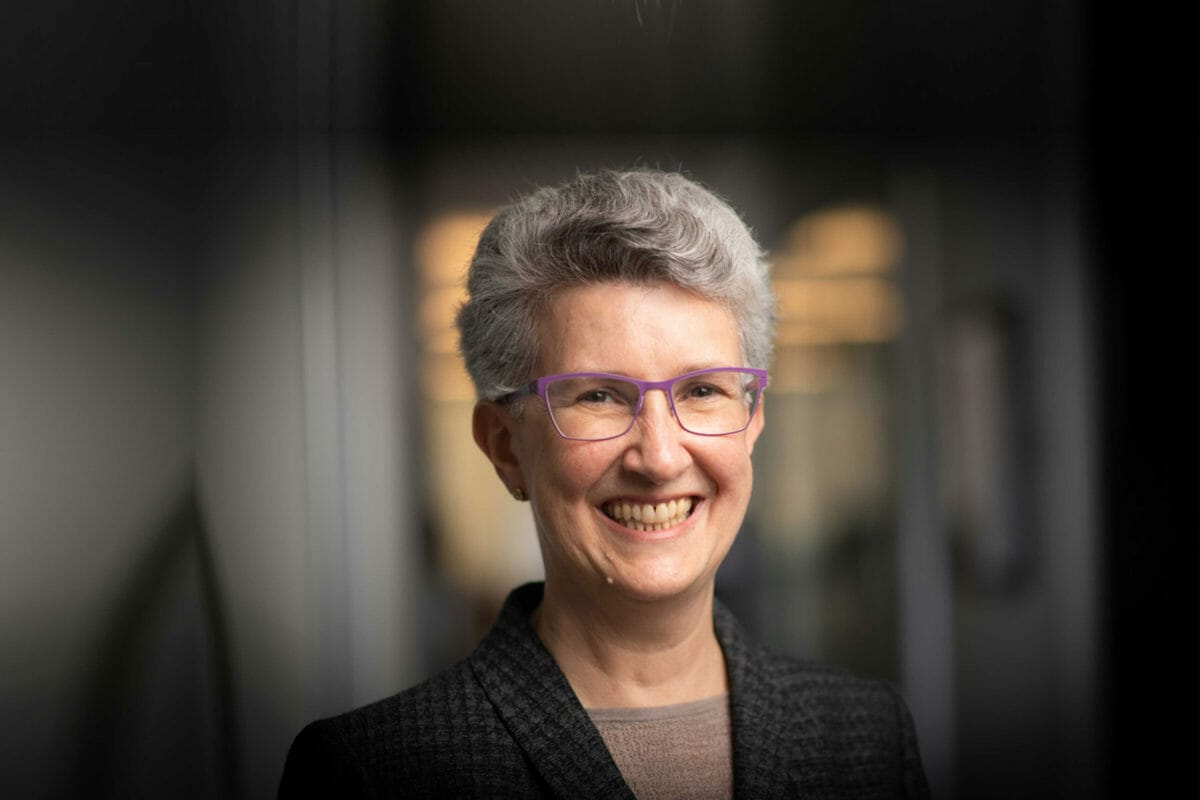
The merged entity – which will be headed by the current CEO of SASB, Janine Guillot – will maintain the Integrated Reporting Framework, advocate integrated thinking, and set sustainability disclosure standards for enterprise value creation. The organisations said that the merger directly responds to calls from global investors and corporates to simplify the corporate reporting landscape, providing the market with a clear solution for communicating about the drivers of enterprise value.

The Value Reporting Foundation could eventually integrate other entities focused on enterprise value creation, and the Foundation and Climate Disclosure Standards Board have jointly signalled interest in entering into exploratory discussions in the coming months.

“Sustainability disclosure is at the top of the agenda for many, creating incredible momentum towards simplifying the corporate reporting landscape.  By merging two organizations focused on enterprise value creation, we hope to clarify the field. We stand ready to engage with the efforts of the IFRS Foundation, IOSCO, EFRAG, and others working towards global alignment on a corporate reporting system,” says  Guillot.

Sponsored Content

The merger will advance the work of CDP, CDSB, GRI, IIRC and SASB in the Statement of Intent To Work Together Towards Comprehensive Corporate Reporting, which outlines a vision for a comprehensive corporate reporting system.


Listen to Janine Guillot in conversation with Amanda White

In this Fiduciary Investors Series podcast Amanda White talks to chief executive of the Sustainability Accounting Standards Board, Janine Guillot, about stakeholder capitalism and the role investors can play in shifting the dial. We discuss the value SASB can play as a tool for decision making and how stakeholder issues can impact performance. SASB standards identify the issues most likely to impact financial performance in 77 industries.

Guillot says the key lever to help re-establish trust between business and society is that companies measure, manage, and reward environmental and social issues the same way they measure, manage, disclosure and reward on financial issues.

Leave a Comment

La Caisse’s oil exit pays off as renewables portfolio pulls ahead of fossil fuels

La Caisse’s oil exit pays off as renewables portfolio pulls ahead of fossil fuels

Divesting from the oil sector has been a boon for La Caisse’s performance, as the Canadian pension giant says its energy investments have earned billions in value-add compared to the benchmark since the inception of its climate strategy. Head of sustainability Bertrand Millot unpacks the fund’s approach in an interview with Top1000funds.com.

Sort content by

KLP applies legal expertise to responsible investment

Last June, Norway’s KLP excluded 18 companies due to links with Israeli settlements in the occupied West Bank. A few months later, Kiran Aziz, took the helm as the head of RI stepping into a contentious ESG debate that captures the divide between US and European shareholders.

Defining and diligencing impact funds

In a market where the number of products with an ESG or impact label are soaring, expert impact investment consultants, Ben Thornley and Jane Bieneman, outline best practice processes for due diligence and monitoring to guide investors to more precise impact labeling and stronger impact management practices.

Why we need a people-centered sustainable finance

The ‘moral bankruptcy’ of our financial system does not reflect the values of the people whose money is invested rather, it is the result of financial intermediaries insufficiently reflecting the will of people. The UN's Mathieu Verougstraete and Sander Glas argue we must adopt a people-centered approach to sustainable finance.

Rising oil and gas prices will cause short-term pain, accelerate long-term

The transition to renewable energy will be “volatile and complicated” like other major transitions in history, and spikes in demand and pricing for coal, oil and gas are likely over the near term, according to an expert in global resources strategy from NinetyOne.

AP2 aligns portfolio with energy transition; forestry focus

In a recent update, AP2, the SEK 440 billion ($44.1 billion) Swedish buffer fund, outlined how it is investing in forestry, green bonds and bioenergy in support of the energy transition

Why private equity can lead on sustainability

A new HBR paper, “Private Equity Should Take the Lead in Sustainability” by Robert Eccles, Vinay Shandal, David Young and Benedicte Montgomery argues how – and why - the private equity must lead on integrating sustainability.

Previous




