
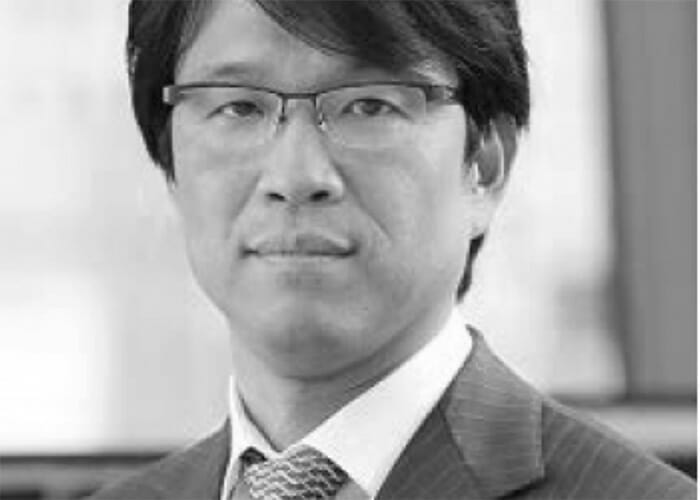

Chief investment officer of the world’s largest pension fund the $1.5 trillion GPIF, Hiro Mizuno, says large institutional investors must stay calm and maintain their long term investment course. He told Top1000funds.com that “long term investment is needed more than ever before”.
“We must stay cool and keep our long-term investment philosophy tight,” he said in an interview.
GPIF, USS and CalSTRS issued a joint letter, Partnership for sustainable capital markets, at the beginning of the month which set out expectations of managers and other market players in terms of long-term sustainable investing. It explicitly says that managers which “integrate ESG factors throughout their entire investment process, vote according to the mandate to which they have pledged, and are transparent with us about their level of corporate engagement, demonstrate to us that they are committed to long-term value creation in line with our interests”, and they will be favoured.
Since the letter was first released, Railpen, BCIMCo, FRR, HESTA, ABP, EAPF and NEST have also signed.
“We didn’t know coronavirus was coming when we started drafting this letter,” Mizuno said in the interview.
“Maybe accidentally, it is very timely for us to make this statement in this kind of market circumstances, we will continue to pay attention to these issues and we will commit to it,” he said. “During market crashes, critics always attribute it to a machine sell off. I wonder how humane investors are reacting to that then.”
Mizuno said that for many years GPIF has been advocating for the importance of long-termism by emphasising the importance of ESG.
“Our approach is finally becoming mainstream,” he said. “We are seeing many asset managers becoming more vocal about these issues recently, with several publishing letters to their portfolio companies. I’m encouraged to see that, but the market is still full of short-termism, and there still a big gap between talk and action.”
He also said that asset owners had a key leadership role to play that they were not fulfilling.
“We also found it puzzling that despite asset managers, or agents, becoming more vocal about these issues, asset owners continued to remain silent,” he said. “Since we are the root of the investment chain and the ultimate principals, I think asset owners have to be more explicit about our stance.”
Mizuno said the aim of the letter was to remain focused on systemic issues.
“These pose the largest long-term risk to our portfolio,” he said. “To fulfil our fiduciary duty, paying attention to what’s happening in today’s market or what’s within our portfolio over the short term is not enough. We need to ensure our commitment to issues such as sustainability and inclusiveness when managing our current portfolio. One of the important messages of this letter is that while we are urging corporate executives to take responsibility, at the same time we’re recognising our own responsibility to make the capital market more sustainable. We cannot achieve this goal without all actors in the investment chain mutually fulfilling their responsibilities.”
GPIF has a number of unique qualities that make it equipped for the current environment. It has been given a mandate to invest over a 100-year environment, it doesn’t have to pay out any reserves for some years, and interest rates in Japan have been depleted for many years.
For some time GPIF has been using ESG as part of its ‘better beta’ strategy, to improve the market as a whole rather than seek excess returns, hence the focus on long-term sustainable returns. They’ve also shown leadership under Mizuno’s stewardship including around fees.
GPIF is mostly passively managed and outsources all funds management. A few years ago a new fee structure marked a radical shift in how fees are paid in asset management and the power of large asset owners to be a catalyst for change. The structure means the fund only pays for alpha.
The employment terms of Mizuno and other senior leaders at GPIF are due to expire this month. It is unknown at the time of writing if they will be re-elected.








Leave a Comment
You must be logged in to post a comment.
Login