

A growing number of influential asset owners have expressed interest in a new sustainable development investment (SDI) Asset Owner Investor Platform launched by Dutch funds APG and PGGM. The AI-driven technology sifts through reams of structured and unstructured data to gauge the extent to which companies’ products and activities meet the UN’s Sustainable Development Goals (SDGs).
Rather than measure a corporate’s conduct or progress on sustainability, the platform looks through a different lens. It rates up to 10,000 companies on the extent to which their core business activity helps create, for example, sustainable cities (SDG 11) or generate clean energy (SDG 7) in a novel approach that brings a new level to standardisation and efficiency to SDG portfolio management in fixed income and equity.
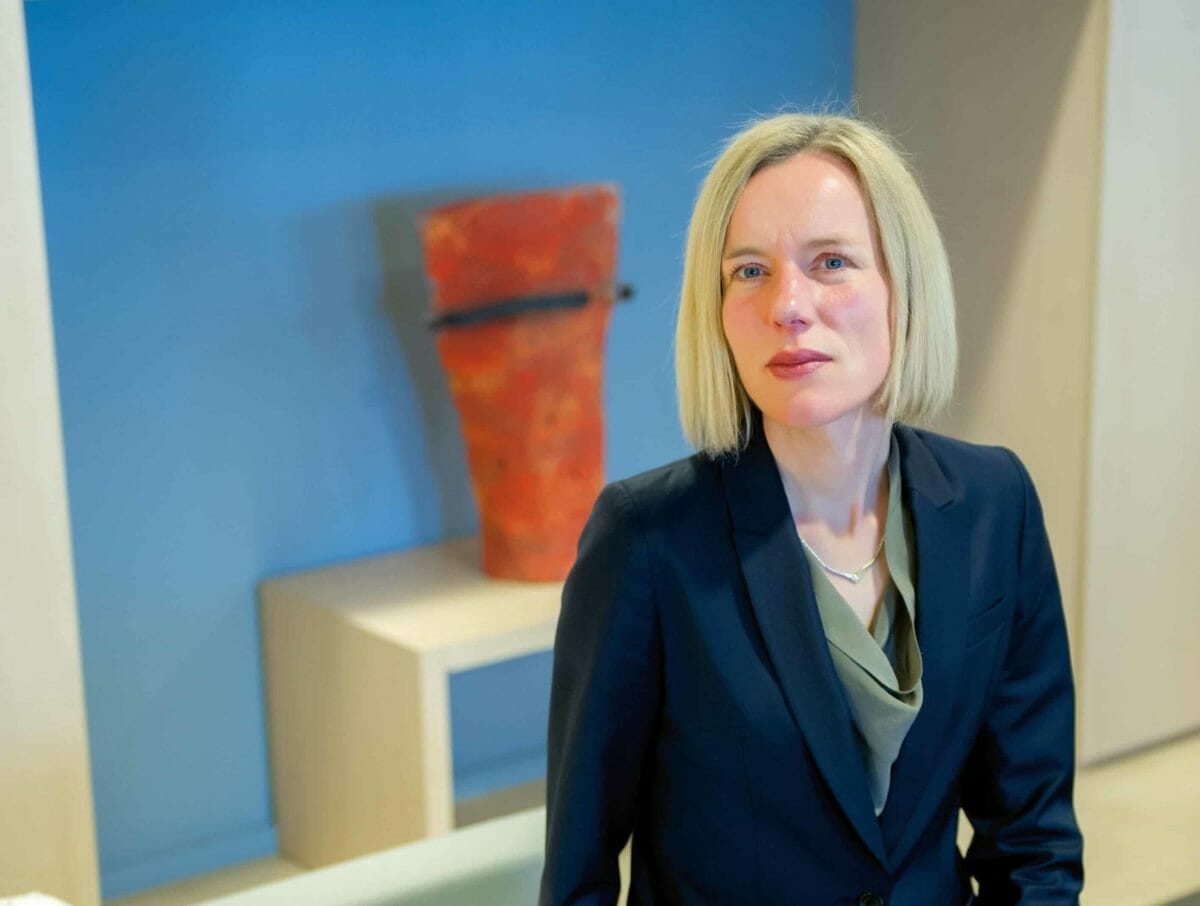
“More global asset owners and institutional investors want to understand the contribution they make through their investments to the SDGs. The goal of the platform is to create a critical mass of asset owners who together define what it means to be investing in the SDGs,” said Claudia Kruse, managing director in APG’s global responsible investment and governance team.
Australian construction industry pension fund A$46.7 billion ($31.5 billion) Cbus, the UK’s £65 billion ($81 billion) Universities Superannuation Scheme (USS) and “a large Canadian pension fund” have expressed a keen interest in the platform which aims to formally launch in the first quarter of 2020, she said.
Collaboration not competition
The platform, also available to the wider investment industry, is all about collaboration. The data is shared and visible to all and although not open-source or free to use, it isn’t a commercial venture. This could erode any competitive advantage in burgeoning SDG investment, but Kruse says cooperation and a common language is crucial for wider SDG success.
“The platform operates under a common definition, taxonomy and data source. When we engage with companies, we can speak with one voice,” she said.
Indeed, an important tool to the platform is that it signposts companies towards meaningful disclosure and how to improve their SDG credentials.
“If there is better disclosure we benefit and the market as a whole benefits. We felt it was in the interests of everyone to establish a collaborate initiative.”
The shared approach also means the platform can draw on a wide pool of expertise as it builds-out and improves. Moreover, asset owner and manager disclosure become comparable, providing stakeholders with more transparency.
Its sole functionality around data provision and information means the platform offers no insight into the financial returns of SDG investment. Investors using the platform must make their own decisions as to whether SDG investment meets their risk return targets, says Kruse.
“Platform users will have to find their own way of using the information. In our case, any sustainable development investment (SDI) has to hit the same risk return as all our other investments,” she said. APG also uses the same AI-driven data to inform its alternative investments, identifying for example SDIs within private equity. In real estate, the fund integrates ESG via GRESB, the ESG benchmark for real assets.
The gathering interest in the platform is the fruit of years of work and initiative. In 2015 ABP, the €430 billion Dutch civil servants pension fund and APG’s largest client, pledged to double its investments in the SDGs in a bid to better match its investments with its beneficiaries’ beliefs and make a genuine contribution to change. Another APG client, Dutch builders pension fund bpfBOUW, also set a target to allocate €12 billion to the SDGs.
APG sprang into action creating de-facto standards around the SDGs and in 2017, together with PGGM, jointly published an SDI taxonomy or methodology that identified SDG investment opportunities. Next, the lack of company data and information led the fiduciary manager to analytics experts Entis, part of Deloitte Nederland. APG bought the offshoot in 2018 to start developing data analytics in sustainable investment in-house. See our story APG takes the lead on AI
The platform currently draws on companies relevant financial or operational metrics to assess if their activity meets the SDGs. For example, revenue and capital spending as well as contextual information are all data points. It cannot measure the outcome, or impact of an investment but this will be a likely evolution, said Kruse.
“Looking ahead, we may decide to develop metrics that give insight not only into how much we invest into companies that contribute to the SDGs and to which ones, but also into the outcomes those companies have achieved. An example could be the number of people provided with access to financial services,” she said.








Leave a Comment
You must be logged in to post a comment.
Login