

ATP is one of only five pension funds globally to officially adopt the FX Global Codeby signing the “statement of commitment to the FX global code”. In addition, ATP is taking part in the Scandinavian FX Committee.
With DKK 838 billion ($125 billion) under management ATP is a significant market participant in the Scandinavian FX market but due to its systematic strategies and global investment universe, our hedging and funding needs span G10 and the most liquid emerging market currencies.
Unlike listed equities that are typically traded on a single exchange during the opening hours of the exchange, the FX market is fragmented into multiple venues with trading 24 hours per day over all time zones. Traditionally, buy-side institutions do not have direct access to these venues but trade FX OTC (over the counter) with their sell-side bank.
The bilateral nature of FX trading calls for fairness and ethical conduct to assure a resilient market, as the sell-side generally has the upper hand in understanding where the market is. Unfortunately, in the past decades there have been several examples of misconduct on the FX market like, for example, the manipulation of fixing orders which has negatively impacted a well-functioning market of mutual trust.
The FX Global Code aims to re-establish and maintain trust among market participants and level the playing field between the buy-side and sell-side.
The FX Global Code is the result of a public-private sector collaboration in which central banks and market participants from 16 jurisdictions agreed to a set of global principles of good practice in the FX market. The code consists of 55 principles split up into six categories or leading principles as they are called in the code: ethics, governance, execution, information sharing, confirmation and settlement and risk management and Compliance.
At ATP we support this effort to promote ethical conduct and a resilient market by signing the statement of commitment. Not only does signing the statement signal what conduct is expected of each market participant but it is also a great opportunity for each market participant to review their own internal business processes.
ATP now has a seat on the Scandinavian FX Committee, which is a local forum where representatives from the central banks, sell-side and buy-side meet to discuss the implementation of the code in the region and the functioning of the Scandinavian FX Markets.
By participating in the Scandinavian FX Committee, we get the chance to discuss relevant matters like for example the market structure and handling of transaction data with peers from a geographically relevant area. At the same time, it is an excellent opportunity to strengthen and enhance our relationship with the central banks and other market participants
FX Global Code is based on six leading principles:
- Ethics:
Market participants are expected to behave in an ethical and professional manner to promote the fairness and integrity of the FX market. - Governance:
Market participants are expected to have a sound and effective governance framework to provide for clear responsibility for and comprehensive oversight of their FX market activity and to promote responsible engagement in the FX market. - Execution:
Market participants are expected to exercise care when negotiating and executing transactions in order to promote a robust, fair, open, liquid, and appropriately transparent FX market. - Information sharing:
Market participants are expected to be clear and accurate in their communications and to protect Confidential Information to promote effective communication that supports a robust, fair, open, liquid, and appropriately transparent FX market. - Risk management and compliance:
Market participants are expected to promote and maintain a robust control and compliance environment to effectively identify, manage, and report on the risks associated with their engagement in the FX Market. - Confirmation and settlement processes:
Market participants are expected to put in place robust, efficient, transparent, and risk-mitigating post-trade processes to promote the predictable, smooth, and timely settlement of transactions in the FX market.
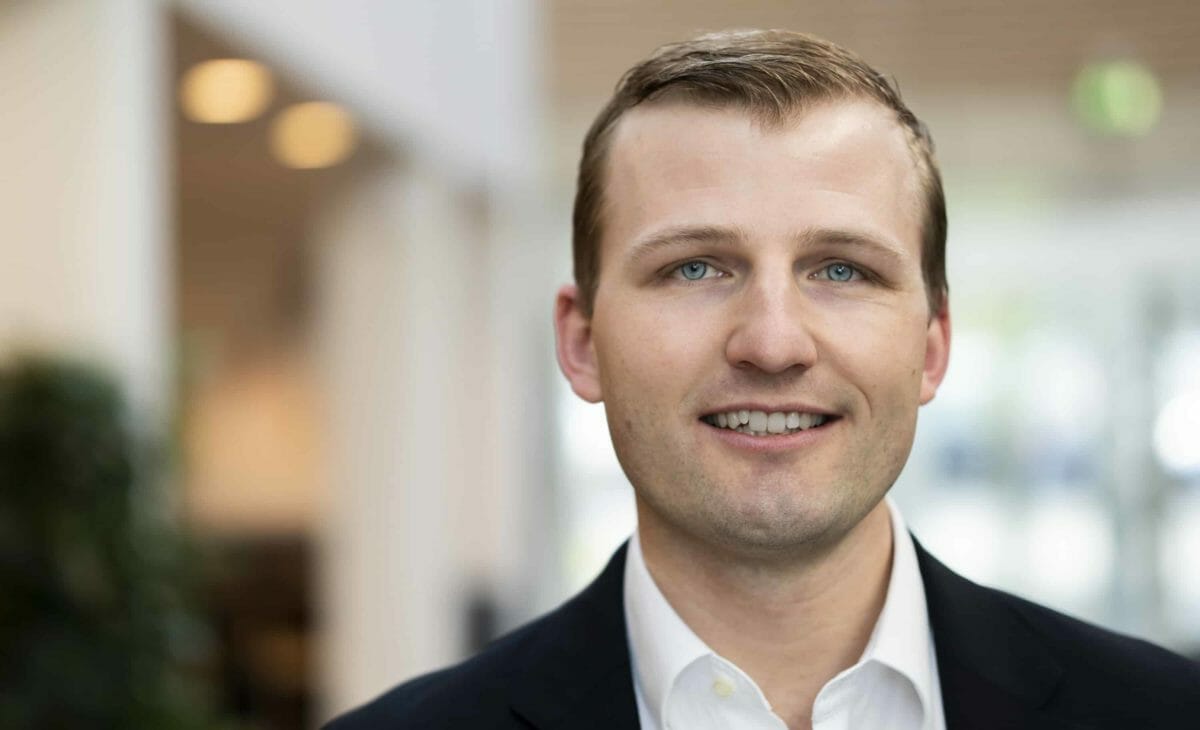
Thomas Bengtsson is a senior portfolio manager at ATP and the fund’s representative on the Scandinavian FX Committee.








Leave a Comment
You must be logged in to post a comment.
Login