
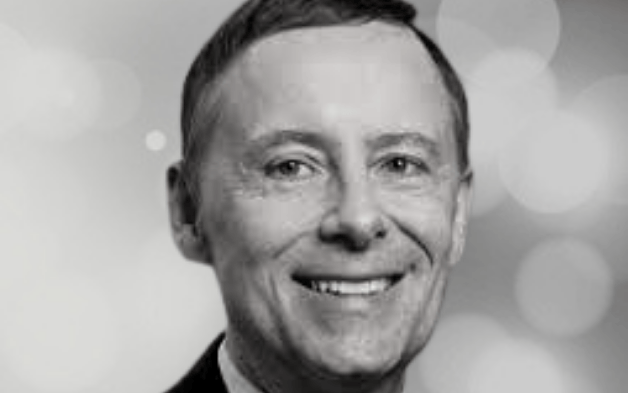

In this Fiduciary Investors Series podcast, Amanda White talks to Jeff Wendling, chief executive of HOOPP – the C$94 billion Healthcare of Ontario Pension Plan. In 2007, HOOPP moved to a liability driven investing approach, which included a large allocation to bonds and a lot of internal investment management. The approach helped the fund survive the global financial crisis and has served it well for the past 13 years. But now – with the COVID crisis and a very low interest rate environment – that approach is being revisited and the fund is looking to invest more in alpha generating assets. They speak about the evolution in the investing approach and the outlook for the macro economic environment with particular reference to inflation.
About Jeff Wendling
Jeff Wendling became president and chief executive officer (CEO) of HOOPP on April 1, 2020. He has 30 years of investment management experience and has been with HOOPP since 1998. Prior to his appointment as CEO, he had served as HOOPP’s executive vice president and chief investment officer since 2018. Before that, he spent more than six years as co-CIO. He began his career at HOOPP as a senior portfolio manager on the public equities team. Wendling is a proven leader of a large and sophisticated management team, and he has spearheaded the fund through a variety of market environments. He was also heavily involved in developing HOOPP’s liability driven investing approach. This approach, coupled with solid investment results, has allowed HOOPP to maintain its strong funded position, keeping plan pricing stable while providing benefit improvements to plan members. Wendling earned his BA in Economics and his MBA from the University of Toronto and holds the Chartered Financial Analyst designation. He is also a board member of the Canadian Coalition for Good Governance and is the chair of its Public Policy Committee.
About Amanda White
Amanda White is responsible for the content across all Conexus Financial’s institutional media and events. In addition to being the editor of Top1000funds.com, she is responsible for directing the global bi-annual Fiduciary Investors Symposium which challenges global investors on investment best practice and aims to place the responsibilities of investors in wider societal, and political contexts. She holds a Bachelor of Economics and a Masters of Art in Journalism and has been an investment journalist for more than 25 years. She is currently a fellow in the Finance Leaders Fellowship at the Aspen Institute. The two-year program seeks to develop the next generation of responsible, community-spirited leaders in the global finance industry.
What is the Fiduciary Investors series?
The much-loved events, the Fiduciary Investors Symposiums, act as an advocate for fiduciary capitalism and the power of asset owners to change the nature of the investment industry, including addressing principal/agent and fee problems, stabilising financial markets, and directing capital for the betterment of society and the environment. Like the event series, the podcast series, tackles the challenges long-term investors face in an environment of disruption, and asks investors to think differently about how they make decisions and allocate capital.






Leave a Comment
You must be logged in to post a comment.
Login