
Study gives evidence of value-add from TPA over SAA

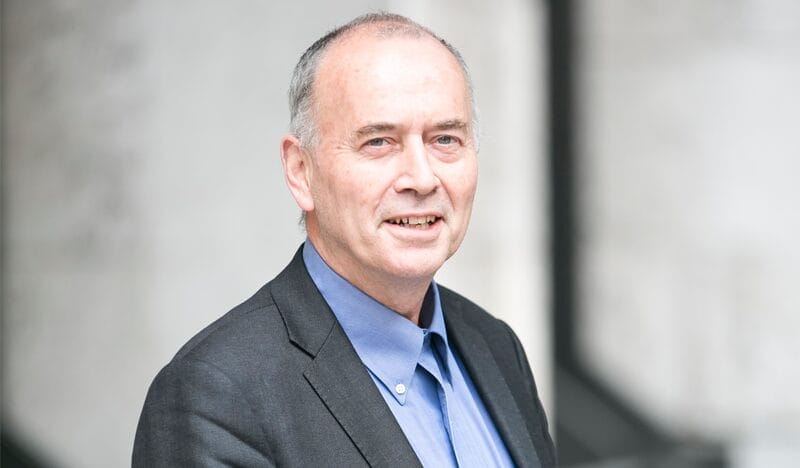
The funds that take a total portfolio approach added 1.8 per cent per annum over 10 years above those that use strategic asset allocation in a recent Thinking Ahead Institute study of 26 asset owners, including the Future Fund. And the systems-thinking TPA approach, with the benefits of dynamism and joined-upness, will help asset owners in an environment of increasing complexity according to the report’s author, Roger Urwin.

Urwin said the institute has research to back up those claims with the results of the TAI’s recent Global Asset Owner Peer Study in conjunction with the Future Fund the latest data in support. The study examined 26 asset owners and found the 36 per cent with a total portfolio approach (TPA) produced superior returns that make Urwin’s estimate of value add look conservative.

“It’s a crude test, but the TPA organisations outperformed the SAA organisations over the last 10 years by 1.8 per cent. And 1.8 per cent per annum is just a very, very substantial margin in our industry,” he said. “Quite honestly I’ve never seen a margin out of one factor as big as that before.”

Urwin emphasised that in part the two portfolio allocation approaches solve different problems.

“SAA basically solved a governance problem, and it did it well. But it didn’t solve the investment problem,” Urwin said. “TPA is a really important design feature by which organisations can probably get better performance.”

The most recent asset owner peer study found that the number of funds doing SAA was half what it was when the same study was conducted seven years ago, and the trend to TPA was continuing, with 20 of the 26 funds stating they were either at their maximum TPA or moving more towards TPA.

Sponsored Content

The benefits of the TPA approach include a more dynamic portfolio and more “joined-upness” which were both useful in a more complex environment, Urwin said.

Managing complexity was the number one concern of the 26 funds, cited by 73 per cent of the CEOs and CIOs who participated in one-on-one interviews.

“When we did this study in 2017 it wasn’t on the list, it wasn’t anywhere,” Urwin said. “But over that time complexity has become one of the most difficult things for organisations to cope with.”

One of the key takeaways from this result, according to Urwin, is that individuals are spending most of their time on business as usual and not enough time thinking about whether their organisations are adapting to the changing world.

The study also showed that 88 per cent of the fund’s investment teams expect systemic risks will grow in number and size. These include geopolitical confrontation and climate change.

Building more resilience including more agile organisational design, better culture and stronger risk frameworks – combined with the systems-thinking TPA approach – will help position asset owners in this environment, he said.

Asset Owner:Future Fund

Leave a Comment

Pension funds confront the question of who owns AI

Pension funds confront the question of who owns AI

As the use of AI within asset owners evolves, organisations are grappling with the governance question of where the strategy and accountability sit. Darcy Song looks at the treatment of AI organisationally within a number of high-profile funds, including OTPP, AustralianSuper, CPP and Norges Bank.

Sort content by

Same same, but different: Governance lessons from three markets

Despite global pension markets’ varying levels of maturity, the goal of combining portfolio resilience with meeting fund objectives is the same, and it can be achieved through different manifestations of governance structures.

Turning AI loose inside asset-owner organisations

The power of artificial intelligence to makes sense of huge volumes of data and produce real business gains has obvious appeal for asset owners. Working out how to apply the technology can be overwhelming, but the Fiduciary Investors Symposium heard that the most important thing is to start.

How to think about the economics of AI

The pace of development in artificial intelligence and machine learning is head-spinning. The Fiduciary Investors Symposium heard there are examples from the industrial past that serve as good indicators of how the new technology will be adopted, its likely impact, and both short- and long-term strategies for effective adoption.

Solid foundations allow Canadian funds to innovate and grow

The foundations of the modern Canadian pension fund industry were laid decades ago, and organisations today continue to reap the benefits. The Fiduciary Investors Symposium in Toronto heard that the potential of the industry is immense, built on solid principles and an embrace of new technology and processes.

Pioneers of the Canadian model say its principles are under siege

A founding principle of the Canadian pension system is under attack. The Fiduciary Investors Symposium in Toronto heard from four individuals who have been instrumental in making the system what it is today, and that the sound principles that made the system great need to be defended.

Operational alpha: The evolution in fund manager due diligence

Asset owners who assess their outsourced fund managers are facing mounting challenges that mean emerging tools, such as AI, are key to successful operational due diligence. Top1000funds.com takes a closer look at the responsibilities and skillsets of those conducting ODD and why it's core to a successful investment function.

Previous



