
Study gives evidence of value-add from TPA over SAA

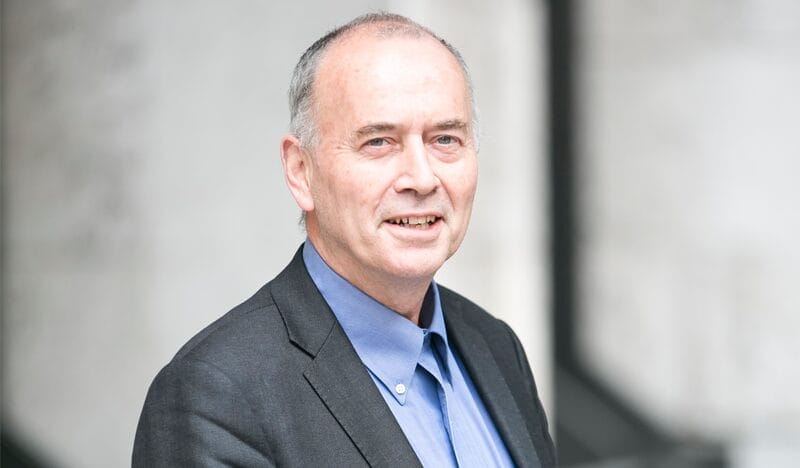
The funds that take a total portfolio approach added 1.8 per cent per annum over 10 years above those that use strategic asset allocation in a recent Thinking Ahead Institute study of 26 asset owners, including the Future Fund. And the systems-thinking TPA approach, with the benefits of dynamism and joined-upness, will help asset owners in an environment of increasing complexity according to the report’s author, Roger Urwin.

Urwin said the institute has research to back up those claims with the results of the TAI’s recent Global Asset Owner Peer Study in conjunction with the Future Fund the latest data in support. The study examined 26 asset owners and found the 36 per cent with a total portfolio approach (TPA) produced superior returns that make Urwin’s estimate of value add look conservative.

“It’s a crude test, but the TPA organisations outperformed the SAA organisations over the last 10 years by 1.8 per cent. And 1.8 per cent per annum is just a very, very substantial margin in our industry,” he said. “Quite honestly I’ve never seen a margin out of one factor as big as that before.”

Urwin emphasised that in part the two portfolio allocation approaches solve different problems.

“SAA basically solved a governance problem, and it did it well. But it didn’t solve the investment problem,” Urwin said. “TPA is a really important design feature by which organisations can probably get better performance.”

The most recent asset owner peer study found that the number of funds doing SAA was half what it was when the same study was conducted seven years ago, and the trend to TPA was continuing, with 20 of the 26 funds stating they were either at their maximum TPA or moving more towards TPA.

Sponsored Content

The benefits of the TPA approach include a more dynamic portfolio and more “joined-upness” which were both useful in a more complex environment, Urwin said.

Managing complexity was the number one concern of the 26 funds, cited by 73 per cent of the CEOs and CIOs who participated in one-on-one interviews.

“When we did this study in 2017 it wasn’t on the list, it wasn’t anywhere,” Urwin said. “But over that time complexity has become one of the most difficult things for organisations to cope with.”

One of the key takeaways from this result, according to Urwin, is that individuals are spending most of their time on business as usual and not enough time thinking about whether their organisations are adapting to the changing world.

The study also showed that 88 per cent of the fund’s investment teams expect systemic risks will grow in number and size. These include geopolitical confrontation and climate change.

Building more resilience including more agile organisational design, better culture and stronger risk frameworks – combined with the systems-thinking TPA approach – will help position asset owners in this environment, he said.

Asset Owner:Future Fund

Leave a Comment

CPP, NBIM CEOs swap notes on leading through teams, not bureaucracy

CPP, NBIM CEOs swap notes on leading through teams, not bureaucracy

In a high-level exchange between two of the world's largest and most sophisticated asset owners, CPP Investments’ chief executive John Graham shared a leadership lesson with Norges Bank Investment Management chief executive Nicolai Tangen: having an aligned senior team is one of the most critical things a leader can build. The two funds, which are consistently leaders in transparency, also exchanged playbooks on managing bureaucracy at large organisations.

Sort content by

Maryland manager roster ready for change

Maryland is focused on improving its under-performing absolute return portfolio, reducing the number of managers and looking to new asset classes, including emerging markets and technology.

Finnish fund just getting started

Created two years ago when two of Finland’s largest pension funds merged, the country’s “new kid on the block,” Elo, is building its in-house capabilities.

The benefits of alignment

Funds managers should always be open to ways to improve mechanisms for stronger investor alignment, writes Mercer principal, David Scobie. But there are several factors to consider.

Alecta keeps costs low, strategy simple

On the eve of its centenary, Alecta’s head of investment management reflects on the low-cost, Sweden-centric, active in-house strategy which has kept the pension provider on top of its game.

Constant improvement a core value at AP2

The total investment costs of AP2 are only 17 basis points, yet the portfolio is described by chief executive, Eva Halvarsson as complex and advanced. So how do they do it?

Not all fees are created equal

Could investment management fees be different? Nick Sykes at Mercer, suggests that an alternative fee structure that focuses on “idiosyncratic alpha” could benefit asset owners and managers.

Previous



