

To thrive in the future, the investment industry needs to overcome its fear of ‘making the world a better place’. It needs to demonstrate – to its clients, its employees and the society around it – that it is an industry that cares. It needs to put morals and values at the heart of what it does. To do this, it needs leaders with authenticity. And to develop and support these leaders it needs to cultivate more opportunities for people to step back, look inside themselves and find the inspiration to do what they know is right.
In its 2017 report on The Future State of the Investment Profession, the CFA Institute highlighted the importance of values in investment organisations if the industry is to regain the trust of society. Citing its own research showing that at that time only 11 per cent of investment leaders described the impact of the investment industry as very positive for society, it argued that ‘making a consistent … contribution to societal wealth and well-being is not just a nice goal for the investment management profession – it is quite possibly a matter of existential importance’.
So how far have we come since then?
A survey conducted for the CFA Institute’s recently published paper on The Investment Professional of the Future found that of seven job factors studied, ‘ability to help clients’ and ‘alignment to your organisation’s vision and values’ provide among the lowest levels of motivation for investment professionals.
It looks as though the industry still has a steep cultural slope to climb. Even some of the institutions that have done the most to embrace the sustainability agenda can have blind spots. A millennial friend at an asset owner with a strong sustainability reputation told me recently that she was told very firmly by her new manager that she should not talk about ‘making the world a better place’ during working hours. That was something strictly personal that should not be brought into the office.
These challenges may be particularly deep-seated because they are strongly linked to values and ethics – the climate emergency, diversity and inclusion, fairness, and more. Addressing them is only partly about technical solutions – investment strategies, business models or product offerings. These ‘conventional’ issues may certainly sometimes be difficult. But they are well within the comfort zone bounded by the primarily financial training and skills that have enabled investment industry leaders to rise to the top.
The new agenda requires a new kind of leadership – a form of leadership that is intensely human. Authentic leadership that inspires trust from within and outside an organisation springs from the inner qualities and values of those in leadership roles. It flows not just from the head but from the heart; not just from spreadsheets and financial models but from personal values and emotions; and from a highly developed self-awareness and sensitivity to others.
Yet for the investment industry, the inner world of these values and emotions is all too often taboo; it is seen as unprofessional to think or talk explicitly about our personal values while we are at work. That’s not what my training says I should do. If I think and talk like that, my colleagues will think I’ve gone crazy. In fact, I know I’m a proper investor and I belong in this organisation precisely because I don’t think and talk like that.
But more is possible than we believe is allowed – or than we allow ourselves to believe.
What does the deepest part of us know is right and important? The part that looks into the eyes of a loved one and feels care, connection and compassion. The part that delights when the seeds we have planted germinate and the first leaves appear through the earth. The part that just says ‘wow’ when we are hit by the beauty of a landscape, a flower or a work of art.
Who is in fact preventing us from acknowledging that part of ourselves and allowing it to stimulate more innovation and creativity in our work? We are.
So how can we allow ourselves to think and act differently? Here are some questions we can ask:
- Who are the real people whose money I am managing – the end beneficiaries? Can I imagine them looking out at me from my Bloomberg screen? What are they thinking? Is there more I can do to serve their interests? Deep down, what shared interests do we have as human beings? What kind of world do they want to live in, now and in the future? What happens if I see the investment chain as a human chain of interconnected and interdependent people, not just as a chain of transactions and contracts?
- Am I bringing the whole of myself into the picture – including all the things I care most deeply about when I’m not in the office? What can I contribute? How can I best use all the talents I have?
- Who might be negatively affected by my decisions? Whose interests will be harmed? What can I do to counter that?
- Have I listened enough – to people who can help me answer these questions; and to the part of myself that knows what is really right? What is that niggling voice at the edge of my awareness saying is the right thing to do? What is the cost of ignoring it – to myself and others?
Investment professionals are highly educated, talented, innovative and creative. These questions can help to harness their talents and abilities in new ways. Organisations can encourage and support people to ask such questions – in fact creating a culture that does this is not a bad definition of leadership.
This is the territory that was explored recently at the Authentic Leader retreat, organised by the Authentic Investor initiative. Thirteen CEOs, CIOs and board members from pension funds and asset managers in Canada, Denmark, the Netherlands, Sweden, the UK and the US gathered at Jesus College, Cambridge, UK, to reflect on the relationship between their personal values and their working lives; to share experience on the challenges of senior leadership; and to explore their personal and professional responses to sustainability issues, most notably the climate emergency.
A theme running through the whole retreat was the reality and importance of our ‘inner knowing’: our deep sense of what is right – for ourselves, for those around us, and for the world. Working life – indeed life in general – can cause us to forget or neglect this knowledge; we do not realise that we have forgotten, and are unaware of the implications of our forgetfulness. Taking a few days out, slowing down, and getting into a more reflective frame of mind is a way to tune back in to what we already know but have buried.
It’s a cliché – but life as a leader can be lonely. It can be difficult to find someone to talk to about challenges that engage the parts of us that cannot be expressed in numbers, or which are difficult to contain within the ‘rational’ frameworks of conventional investment thinking. Many of the retreat participants commented on the value of having an opportunity to share these dilemmas openly with peers experiencing similar situations; an opportunity to take off their corporate mask and reveal who they really were.
To thrive in the future, the investment industry needs to overcome its fear of ‘making the world a better place’. It needs to demonstrate – to its clients, its employees and the society around it – that it is an industry that cares. It needs to put morals and values at the heart of what it does. To do this, it needs leaders with authenticity. And to develop and support these leaders it needs to cultivate more opportunities for people to step back, look inside themselves and find the inspiration to do what they know is right.
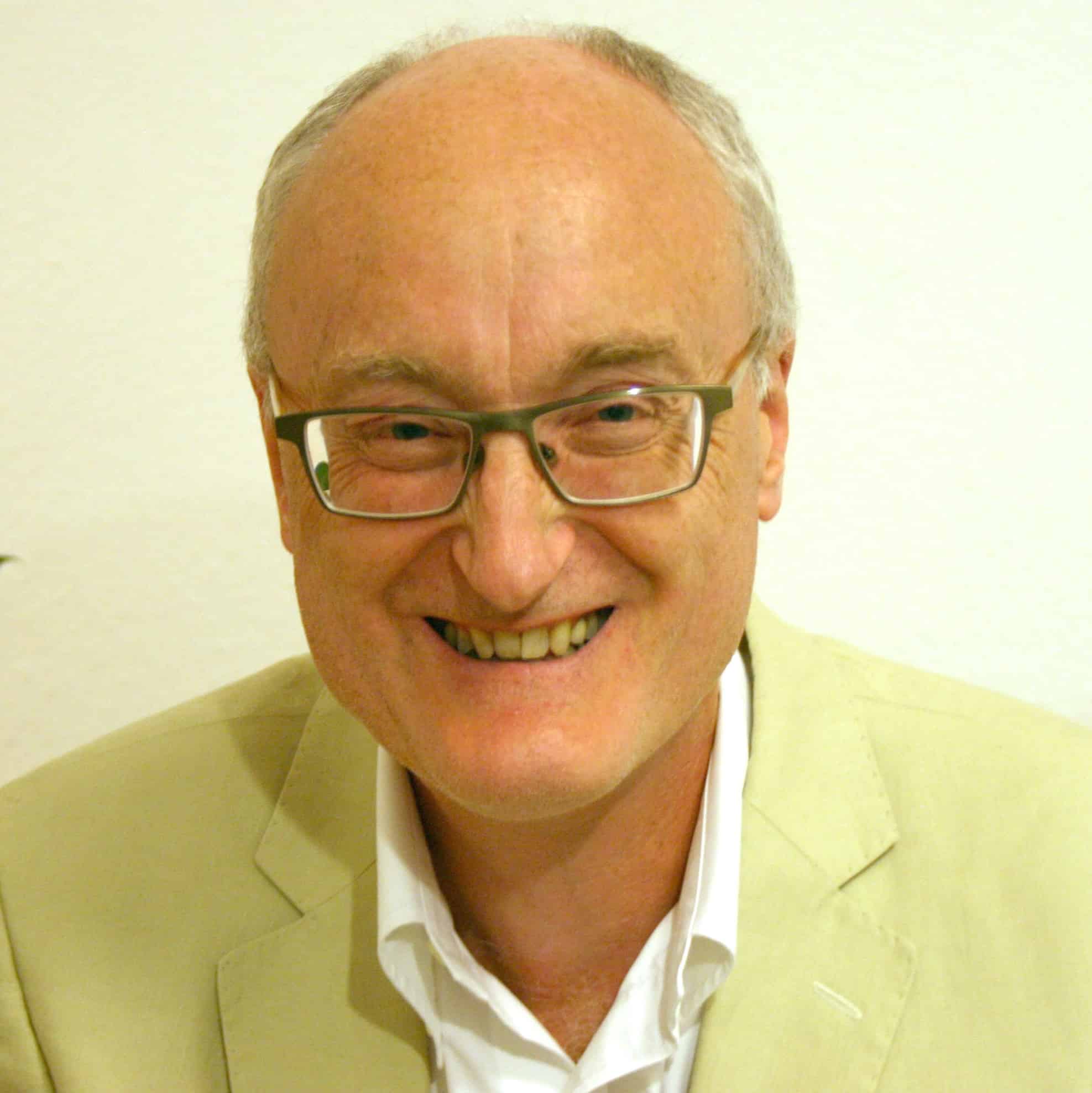
Rob Lake is founder of the Authentic Investor and runs the Authentic Leader retreat.








Leave a Comment
You must be logged in to post a comment.
Login