
The importance of board education

Managing a pension system is a complicated task that requires a fund’s board of trustees establish the strategic direction of the system, hire necessary staff and consultants, adopt investment policy, understand governance and ensure the fund conforms to new and changing laws. Pension system trustees and administrators must also stay current with the latest industry developments. Trustees and administrators of public pension plans aren’t expected to be know-it-alls, but they need a solid education that provides and improves their core competencies as fiduciaries.

At the Texas Association of Public Employee Retirement Systems, (TEXPERS), the largest provider of pension trustee training and continuing education for pension system trustees and administrators in Texas, we believe the trustees and administrators behind Texas’s 93 retirement systems illustrate how board education pays off. Most recently that expertise was reflected in the highest number of Texas state and local pension funds achieving state recommendations for their overall financial health than ever before.

Board education isn’t an easy task. But in Texas it is helped because it is backed up by the law. Under new laws introduced in 2013 the Pension Review Board established a Minimum Educational Training Program for trustees and system administrators of Texas public retirement systems.

The state’s minimum requirements include core and non-core topics spanning fiduciary matters, governance, ethics, investments, actuarial issues, benefits administration, and risk management. Education on topics that go beyond the basics include compliance, legal and regulatory matters, pension accounting, custodial issues, plan administration and the finer details of the Texas Open Meetings Act, and the Texas Public Information Act.

We believe education around these key topics sets Texas apart. It provides trustees with the tools necessary to build a solid foundation to be a successful fiduciary. That said, pension funds, trustees and administrators shouldn’t be lulled into a false sense of security because they have “ticked the box.” It is just the foundation: pension funds need to continuously look for opportunities for continuing education beyond the minimum requirements.

Lay trustees

Sponsored Content

Much of our work is supporting lay trustees. A lay trustee may, will, and should ask questions that may seem rudimentary to a seasoned professional. However, there will always be trustees that aren’t comfortable asking certain questions because they feel they are too basic. We believe trustees should ask any, and all, questions that come to mind no matter how elementary the question may sound. Nor should they be uncomfortable asking the same question again until they fully understand the subject matter.

Training can’t cover every possible scenario – there will be issues that arise that all the training in the world wouldn’t have prepared for. That is when the trustees’ experiences in their field of expertise comes in handy. We believe pension funds should track the educational hours their trustees obtain and align their educational goals with state training requirements.

All public pension system boards should consider establishing a trustee training policy that affirms the importance of education to the success of fulfilling their fiduciary duties and prudently administering the retirement system. Policy should also begin with ensuring individual trustees have continual access to education. An entire board should be exposed to continuing education. Otherwise the result is a handful of players driving all the decisions, defeating the point of reaching decisions by board consensus. Boards that are strong on education are in a better position to be successful.

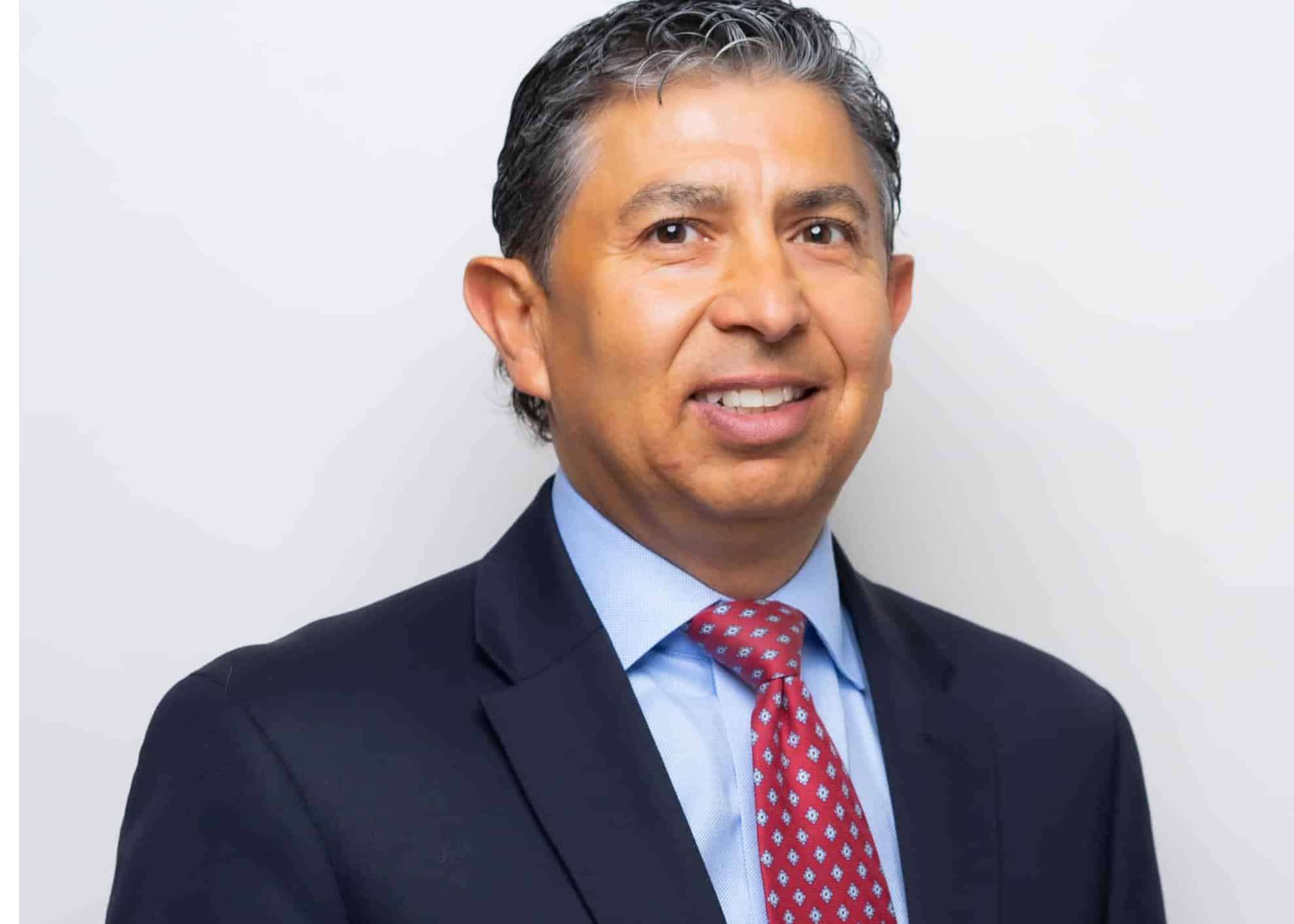
Art Alfaro is executive director of the Texas Association of Public Employee Retirement Systems. Prior to working with TEXPERS, he served the City of Austin for 31 years. He worked as the city’s treasurer for the last 13 of those years. 

Leave a Comment

NY Common joins allocator push on company AI transparency

NY Common joins allocator push on company AI transparency

The $273 billion New York State Common has upped the pressure on portfolio companies to report on how artificial intelligence usage is contributing to layoffs, as AI governance becomes a growing focus in the proxy voting and engagement activities of asset owners.

Sort content by

REST case to set climate risk precedent

An Australian case brought by a millennial against his pension fund is a world first and will make law on whether trustees breach their fiduciary duties when they ignore climate change.

Asset Owner 100’s wealth of influence

The sheer weight of money behind the world’s largest 100 asset owners represents a huge opportunity to show leadership in the allocation of capital. A Willis Towers Watson report reveals the 100 largest and which ones are meeting the challenge.

IMCO plots private, inhouse future

The C$60 billion ($48 billion) Investment Management Corporation of Ontario, the latest kid on the block in Canada’s pension scene, is planning its asset allocation 2.0, which will involve more private and direct investments, more internalisation and lower costs. Amanda White spoke to chief executive Bert Clark and chief investment officer Jean Michel.

UK funds acting on diversity

At the recent #actionsnotwords event in London, executives told of addressing philosophical blindspots, setting up flexible work hours, adding more drivers for recruitment and more.

PRI rallies boards on data security

A group of more than 50 investors has formed to help raise awareness and standards for data protection. As related risks become a primary concern for directors, PRI is co-ordinating efforts.

OPTrust takes climate-change action

The $15 billion Canadian pension plan considers active engagement more effective than divestment and market forces more immediate than regulation, as it works towards a low-carbon economy.

Previous



