

The Swedish government’s plans to streamline the country’s pension system and merge private equity-focused buffer fund SEK 77.1 billion ($8 billion) AP6 with its larger, diversified sibling SEK 458 billion ($48 billion) AP2, has hit a bump in the road.
In the latest to-ing and fro-ing, AP2 has defended the government’s recent proposal to sell off the majority of AP6’s private equity portfolio but the strategy has – predictably – drawn fierce criticism from AP6, warning that it could knock billions off returns over time.
The policy document proposes that around SEK 47.5 billion ($4.9 billion) of AP6’s private equity funds and co-investment assets go into a transition portfolio that will be sold off gradually over time and re-invested in low-risk investments. It means only around 40 per cent of its portfolio will be combined into AP2’s long-term private equity allocation.
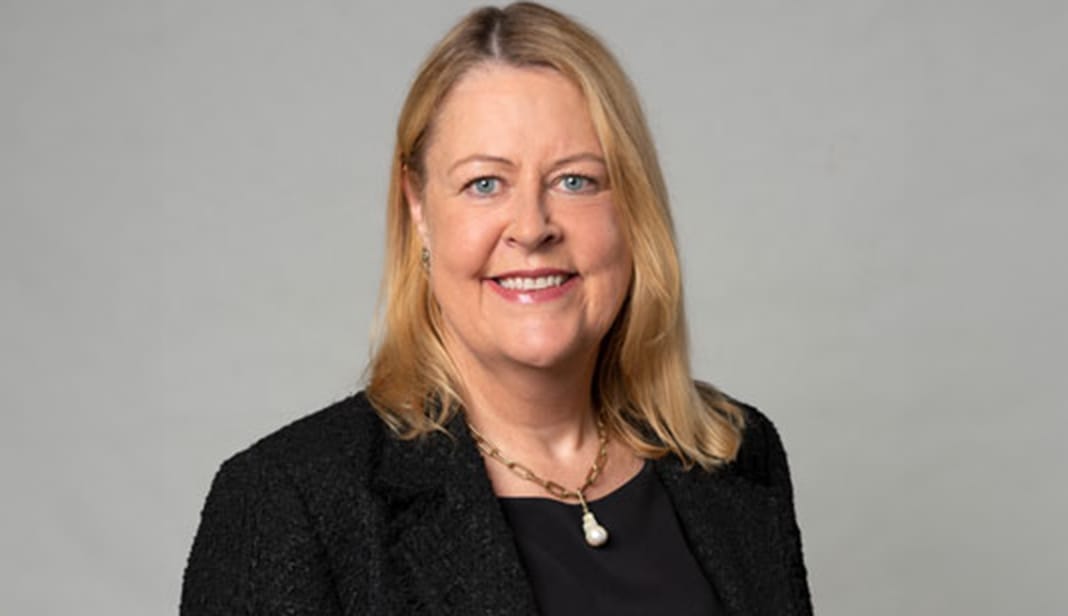
In a particular point of contention, the report suggests AP6’s SEK 24.3 billion ($2.5 billion) allocation to 85 co-investments with 25 managers also goes into the transition portfolio – a strategy AP6 chief executive Katarina Staaf has predicted could contribute to losses of as much as SEK 70 billion ($7 billion) in returns over the next decade.
“Placing more than half of AP6’s assets in the transition portfolio means much of the expertise on private equity that AP6 has built up over almost three decades will no longer benefit the Swedish pension system. A recent successful example of our co-investment program was the medical technology company Asker Healthcare. AP6 sold its holdings in the company a couple of weeks ago at a profit of more than SEK 4 billion ($0.42 billion),” said Ulf Lind Lindqvist, head of communications at AP6.
But Eva Halvarsson, CEO of AP2, tells Top1000funds.com she doesn’t want to increase AP2’s allocation to private equity beyond 15 per cent, and co-investment is unlikely to increase returns. She argues AP6’s estimated losses don’t consider AP2’s mission to manage a diversified portfolio, or take into account the high-risk nature of the asset class.
“In our view, the analysis put forward by AP6 is based on several misinterpretations,” she reflects. “It does not consider the fundamental prerequisite that AP2 has an unchanged mission as a diversified pension fund, nor does it take risk into account. Private equity investments offer high expected returns but also entail higher risk compared to many other asset classes. AP2’s mission is to manage the Swedish people’s pension capital responsibly, with consideration for both return and risk.”
She adds that AP2 has only just conducted a comprehensive ALM analysis, which concluded that a strategic allocation of 15 per cent to private equity is appropriate.
“This is a high proportion compared to other pension funds globally and a higher allocation would improve expected returns slightly but would also significantly increase risk, thereby reducing the risk-adjusted return.”
Halvarsson also questions the value of co-investments.
“Co-investments demand substantial resources and contribute to heightened portfolio risk. For perspective, AP2 has achieved comparable returns in private equity, without co-investments.”
She says AP2 will manage the transition portfolio with the same “diligence, professionalism and care as its existing private equity portfolio” and the focus will be on “creating value and generating liquidity over time, without accelerating divestments”. She reflects on the “valuable work” AP6 has done building the portfolio, but also stresses AP2’s long track record and skill in the asset class.
“AP2 has more than 20 years of experience in private equity investments.”
Still, tempers are running high.
The report rebuked AP6 for not cooperating with the merger process, citing the fund’s “unwillingness to cooperate on issues that are central to the inquiry”, causing a “delay in the inquiry’s work [that] has also affected the opportunities and conditions for AP2 as a recipient organisation.”
And Halvarsson won’t give any hard assurance that AP6 staff will be incorporated into AP2.
“Given the increased size of funds managed, AP2 is currently hiring for a number of different positions, which are open for anyone to apply. It is too early to say how many will come from AP6.”
Around 25 employees across more than 10 different functions are currently involved in managing AP2’s private equity portfolio.







Leave a Comment
You must be logged in to post a comment.
Login