
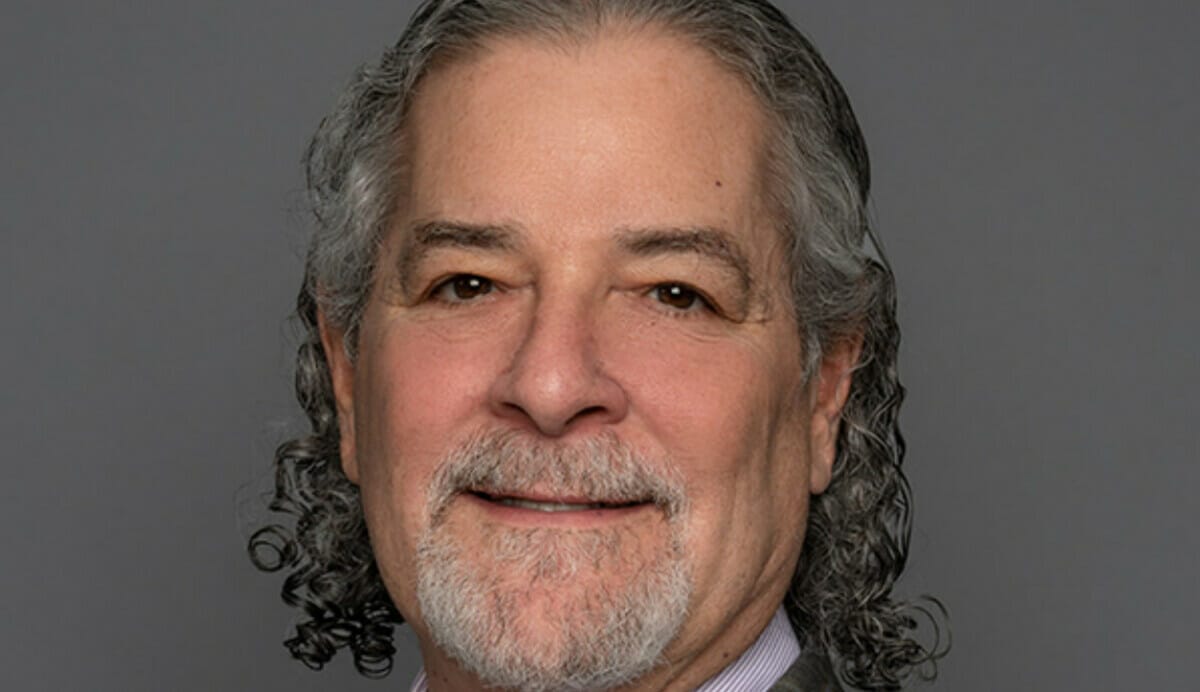

Building out a new allocation to private markets for a perilously underfunded pension fund with only a four-person investment team and scant back-office support is not for the faint hearted. But David Kushner, chief investment officer of City of Austin Employees Retirement System (COAERS), in the role since May last year, couldn’t be more at home.
He’s about to launch a new private markets portfolio that will begin with a 2-3 per cent allocation to private credit that will ultimately account for 10 per cent of COAERS $3 billion assets under management. Private equity will follow in the next 18-24 months.
The move into private markets is not just the consequence of COAERS hiring a new CIO renowned for his private markets experience. It’s also tied to new funding rules to address COAERS 56 per cent funded ratio. As every savvy pension fund CIO knows, funding and investment strategy must go hand in hand. Even with the best returns in the world, it’s impossible to invest your way out of a bad funding policy.
Over the past two years, COAERS has collaborated with its plan sponsor, the City of Austin, to develop a legislative proposal to improve the system’s long-term financial health and sustainability. The legislation was approved last May during the 88th Texas legislative session and requires larger contributions from the City that will help close the gap between COAERS liabilities and assets.
“It was hard to recommend taking on illiquidity risk with a legacy funding policy. You can’t put in place 20-year investments when you need cash to pay benefits,” says Kushner in an interview with Top1000funds.com.
COAERS has just completed asset liability and asset allocation studies, stress testing how much illiquidity the fund can take with the new contribution policy in place and exploring the illiquidity risk/ return of new allocations to private credit and private equity.
“The studies have given us comfort that we can take on more illiquidity,” says Kushner who believes his seasoned perspective on everything from the perils of high inflation to liquidity management gives an edge in today’s challenging markets. His experience of managing liquidity risk goes back to before the GFC but during those tumultuous months balancing paying benefits (what he calls his number one job) without disrupting the investment programme was bought sharply into focus.
Back then Kushner was half-way through a 10-year stint as CIO of San Francisco Employees’ Retirement Association. His comments at the time on the unprecedented opportunity for long-term investors, famously attracted the wrath of the endowment and foundation community.
Many of this liquidity-pressed cohort urged their GPs not to make capital calls. But Kushner was vocal about ringing all 80 GPs in SFERS’ portfolio, arguing that as a fiduciary to the fund he expected them to make capital calls. “To say that foundations wanted my head on a platter for taking advantage of their distress was an understatement,” he recalls.
The advantages of being evergreen
His longevity in the industry is also informing another element of strategy. COAERS’ new private credit allocation will only invest in evergreen structures to safeguard against worrying trends in direct lending that risk leaving investors out of pocket.
As market conditions tighten, large private equity firms are increasingly arranging complex refinancing transactions that transfer the best assets in a company to different vehicles leaving existing lenders without a claim on the more profitable assets, even if they are lending high in the capital stack.
“Some of the big private equity firms are handing the keys of companies back to lenders and arranging debtor in possession financing for the better assets,” he says. “Diligence on credit managers to ensure that the covenants in place actually provide protections for investors, even though they may believe they are high in the capital stack is really important.”
Evergreen structures allow investors to conduct more detailed due diligence on the covenants and corporate loan documents in the portfolio, he continues. “You can do a more detailed due diligence on evergreen than you can on blind pool, drawdown funds. An investor can see the covenants on existing loans as a check to ensure the GP does what they say they do.”
For example, the higher cost of borrowing is also making him wary of leverage in direct lending and private equity. “Are GPs lending to over-leveraged companies and are they putting leverage on that leverage?” he asks. “Direct lending is an example of where this can happen involving managers adding more leverage on companies that are already levered. All too often no one asks these questions and that is scary.”
Evergreen structures also hold important operational benefits for an investor moving into the asset class for the first time like COAERS and lacking the accounting resources, custody requirements and analytical capabilities private markets require.
With evergreen structures COAERS can perform analysis on the individual managers and investments in the existing portfolio. It can build resources slowly and identify what to do internally or externally. “We can get into the market and then buy some time to identify the resources we need and have the right conversations with the board.”
He also likes the liquidity and flexibility of an evergreen structure which allows investors to increase their allocations over time or reduce if they need to, without having to select new funds or deal with capital calls or subscriptions.
In most evergreen structures, capital is locked up for two-to-three years after which withdrawal requests on a periodic basis kick-in. “Around 10 – 20 per cent of the NAV should mature at every withdrawal date if the fund has been in existence for a while and properly managed by the GP,” he says. “Investors can either say when they need the cash back or just let it go and not have to re-up on that part of the portfolio every three years.”
In contrast, in drawdown vehicles it can take three years for a fund to be fully invested, by which time investors will have to go back out and find another fund. “Even if they invest with the same sponsor, they have to re-up and underwrite,” he says.
Kushner says he’s already swamped by manager proposals and will only select two or three in this wave. He will weed out the bulk by ditching proposals that don’t’ meet criteria around the investment strategy, terms, returns, lock up requirements and favourable comparisons with drawdown funds.
Decisions around manager selection and fund size must also factor in COAERS small size which brings both opportunities and challenges in private markets. The biggest opportunity comes from being nimble and the ability to move allocations quickly, but COAERS can only make small, $20-30 million investments which means it can only mandate to smaller GPs where it can scale investment successfully.








Leave a Comment
You must be logged in to post a comment.
Login