Railpen: good partners add skills

Earlier this year, RPMI Railpen, investment manager for the £28 billion ($37 billion) pension fund serving the UK’s railway workers, embarked on a joint venture with the $66 billion Alaska Permanent Fund and Kuwait’s Public Institution for Social Security (PIFSS) to better access private markets.

Like many other asset owners, the trio have found competition and elevated prices has made accessing private markets difficult. The hope is that combining firepower and expertise in a joint venture will open up more opportunities. The joint venture, Capital Constellation, will invest in private equity and alternatives managers, and plans to deploy more than $1.5 billion in the next five years. The three funds manage about $200 billion in assets between them.

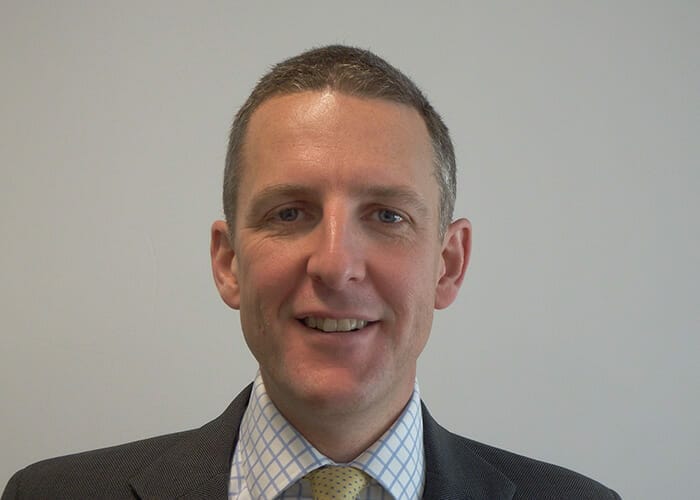
The project has revealed important lessons, Railpen chief investment officer Richard Williams says. First, asset owners should partner with investors that bring different elements to the party. In Railpen’s case, this means finding partners that can complement its ESG experience and UK presence, he says.

“It is also about finding heterogeneous skill sets that blend together,” Williams says. “There are lots of hurdles to jump through and we would like to do more initiatives like Capital Constellation, but only time will tell if we do. It won’t be for lack of intention.”

Preparing the ground at the beginning of a collaboration in case things grow tricky and parameters shift in the future is important as well, he says.

“It is a little bit like a prenup [prenuptial agreement],” Williams says. “If it doesn’t work out, all parties need to know how they can separate without it getting too acrimonious. I’m not suggesting the best marriages have to have a prenup, but sometimes love isn’t enough.”

Sponsored Content

For more on Railpen’s strategy see our profile Railpen reaps benefits of in-house team.

Leave a Comment

How CPP is evolving risk management for a faster, more interconnected world

How CPP is evolving risk management for a faster, more interconnected world

In an environment where multiple risks are emerging and their effects are compounding on the portfolio, CPP Investments' chief risk officer Priti Singh says the $572 billion fund is rethinking risk management from the ground up, shifting from reaction to preparation and embedding risk thinking earlier in investment decisions. She speaks to Amanda White about the fund's risk approach.

Sort content by

ESG alpha solution
in a labyrinth

More than 1000 asset owners and service providers have signed up to the United Nations Principles for Responsible Investment, and yet the question on everyone’s lips remains how to actually integrate sustainability into the investment process and ultimately add alpha. Bill Mills, managing partner of Highland Good Steward Management, has an idea and a platform

PGGM goes one step further

The €109-billion PGGM has been one of the global leaders in allocating assets according to ESG criteria. Now it is taking the philosophy one step further and aims to measure how all of its investments have a positive influence on the state of the world by measuring “sustainable returns”. The Dutch pension-fund service provider claims

NBIM approaches water with a filter

Water and how a company manages its exposure to this increasingly scarce resource is a key focus for Norway’s sovereign wealth fund in assessing the environmental and social performance of the more than 8000 companies in its portfolio. Anne Kvam, the head of Norges Bank Investment Management’s (NBIM) corporate governance team, says the sheer size

HOOPPla! The balance sheet is an asset

Jim Keohane’s first annual results as chief executive of HOOPP have been satisfying. The fund returned 12.19 per cent in 2011, a result well above its peers. It is 103-per-cent funded, and has reached assets of more than $40 billion for the first time. However, he says the unique investment approach and structure that has

Maryland boldly seeks return to full funding

Tackling the 65-per-cent-funded status of the Maryland State Retirement and Pension System has resulted in the bold political move to boost employee contributions while a long-term plan to increase allocations to private markets is part of a push to hit the system’s 7.75-per-cent-return target. The system is more than 10 per cent below the average

African fund invests for returns and development

Returns should not be the sole driver of investment decisions as funds should consider the social, environmental and economic impact their capital can have, a senior official at Africa’s largest pension fund says. John Oliphant, head of actuarial and investments at South Africa’s $130-billion Government Employees Pension Fund (GEPF), says the fund considers high impact

Previous




