Railpen: good partners add skills

Earlier this year, RPMI Railpen, investment manager for the £28 billion ($37 billion) pension fund serving the UK’s railway workers, embarked on a joint venture with the $66 billion Alaska Permanent Fund and Kuwait’s Public Institution for Social Security (PIFSS) to better access private markets.

Like many other asset owners, the trio have found competition and elevated prices has made accessing private markets difficult. The hope is that combining firepower and expertise in a joint venture will open up more opportunities. The joint venture, Capital Constellation, will invest in private equity and alternatives managers, and plans to deploy more than $1.5 billion in the next five years. The three funds manage about $200 billion in assets between them.

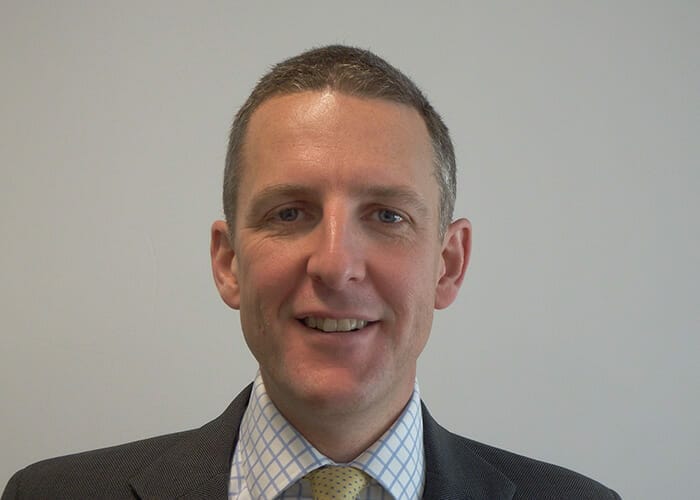
The project has revealed important lessons, Railpen chief investment officer Richard Williams says. First, asset owners should partner with investors that bring different elements to the party. In Railpen’s case, this means finding partners that can complement its ESG experience and UK presence, he says.

“It is also about finding heterogeneous skill sets that blend together,” Williams says. “There are lots of hurdles to jump through and we would like to do more initiatives like Capital Constellation, but only time will tell if we do. It won’t be for lack of intention.”

Preparing the ground at the beginning of a collaboration in case things grow tricky and parameters shift in the future is important as well, he says.

“It is a little bit like a prenup [prenuptial agreement],” Williams says. “If it doesn’t work out, all parties need to know how they can separate without it getting too acrimonious. I’m not suggesting the best marriages have to have a prenup, but sometimes love isn’t enough.”

Sponsored Content

For more on Railpen’s strategy see our profile Railpen reaps benefits of in-house team.

Leave a Comment

How CPP is evolving risk management for a faster, more interconnected world

How CPP is evolving risk management for a faster, more interconnected world

In an environment where multiple risks are emerging and their effects are compounding on the portfolio, CPP Investments' chief risk officer Priti Singh says the $572 billion fund is rethinking risk management from the ground up, shifting from reaction to preparation and embedding risk thinking earlier in investment decisions. She speaks to Amanda White about the fund's risk approach.

Sort content by

Future Fund’s single
total portfolio

For the past five years David Neal has been integrating the vision of “one team, one portfolio” into the culture of the investment team at the $77-billion Future Fund. This has now been set in stone – well, porcelain – with coffee cups bearing the moniker used by staff throughout the organisation. The slogan is

Hedging and risk reduction pay off at ATP

The seriousness with which the Danish pension fund ATP takes hedging paid off last year, with the fund recording its best ever return. A combination of the hedging activity and a deliberate move to substantially reduce its risk meant the fund weathered the European storm despite the fall-off in interest rates. The 579-billion-Danish kroner ($98.4-billion)

UN fund enters 21st century

With total portfolio costs of only 15.3 basis points, the $43-billion United Nations Joint Staff Pension Fund is one of the most efficiently run pension funds in the world – not bad for a fund that has investments in 41 countries and 23 currencies. This year it embarked on an operations overhaul to bring even

Missouri’s risk-based
asset allocation

A decision by two of Missouri’s public pension plans to adopt a straightforward risk-based approach to asset allocation garnered their best result in two decades last year, while also providing investment staff with the autonomy to react quickly to changing market conditions. The board overseeing the Public School Retirement System of Missouri (PSRS) and the

Wyoming takes
the passive route

Investors are taking an increasingly sophisticated view of their passive equity allocations, aiming to capture the benefits of a range of risk premiums, while also lowering the volatility and improving the risk/adjusted returns – all at a considerably lower cost than active management. Wyoming Retirement System (WRS) turned to risk-premium mandates as part of a

Behind CalPERS’
sustainability report

In its most simple form, CalPERS defines sustainability as the “ability to continue”. This year CalPERS turns 80 and clearly “continuing” is something it wants to do. The strategy paper, presented to and endorsed by the board, explains the fiduciary framework the fund has adopted to integrate sustainability across the entire fund and sets out

Previous




