
OPTrust: hiking rates because of the oil shock is a mistake

To navigate rates and inflation uncertainty, OPTrust is leaning into dynamic portfolio construction, actively managed options, and a total portfolio approach supporting the belief that inflation resilience is built into how portfolios are constructed not an individual asset or exposure.

Central banks have adopted a hawkish tone when it comes to interest rates, with many suggesting the cost of borrowing is likely to rise in response to the economic fallout from the war in Iran and inflation coming down the line.

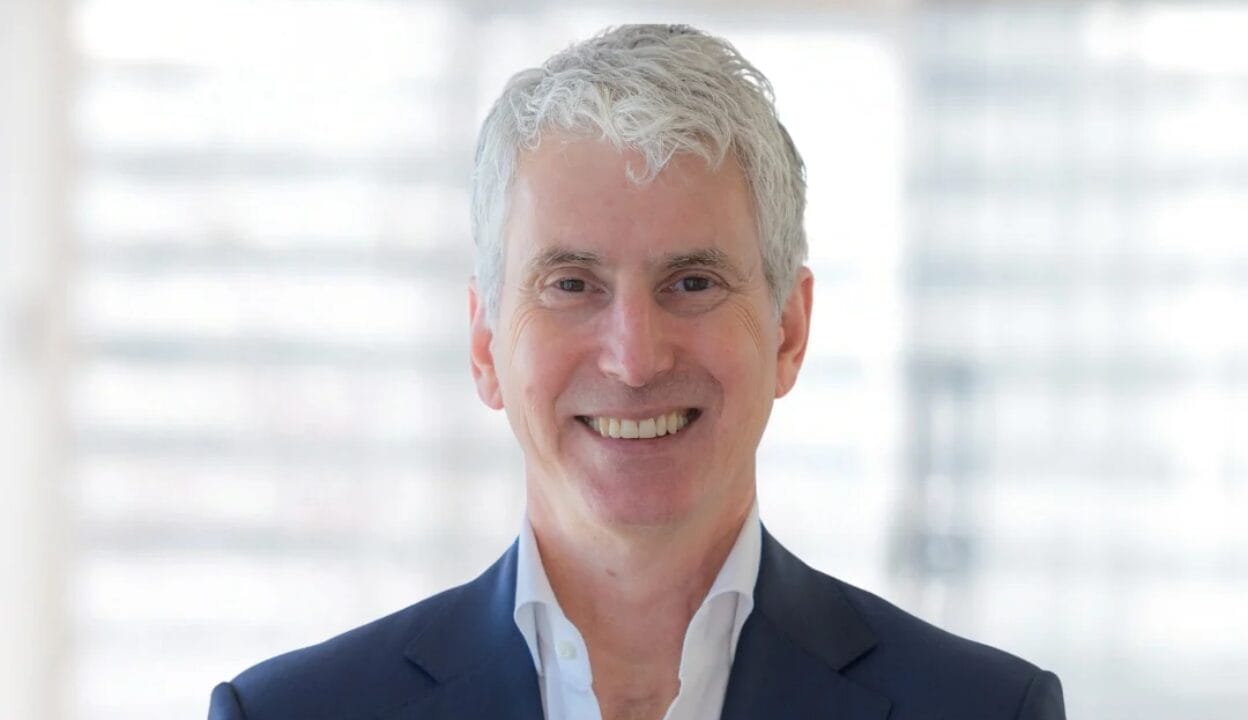
But David Ross, senior executive managing director and global head of liquid assets at Canada’s $27 billion OPTrust which invests the assets of the OPSEU Pension Plan, argues that as monetary policy makers navigate the twin challenges of inflation and lacklustre growth, they may not pull the lever up on interest rates after all.

Today’s environment doesn’t compare with the pandemic because inflation from the oil shock might not be a long-term problem, and higher interest rates will impact growth.

He argues that everyone thought that inflation caused by the Covid supply shock was transitory. It turned out to be much stickier, but primarily because of the huge fiscal stimulus governments unleashed. Not only does this suggest governments stepping in to protect people may result in embedded inflation. It also suggests that higher interest rates might not be necessary, he says.

Sponsored Content

“Hiking rates aggressively off the back of an oil price shock is a mistake,” he says. “We should also remember that, before the conflict erupted, yields were falling through the month of February as the market priced in concerns that accelerating AI adoption could push unemployment higher and slow growth, and that this was drawing a central bank response.”

Inflation busting strategies

That is not to say OPTrust isn’t preparing for higher inflation.

Inflation protection doesn’t come from exposure to a single sector like oil price futures or investing in energy companies, he continues. Rather, inflation resilience is baked into portfolio construction and diversification.

One of the most direct ways to acquire inflation protection is an inflation swap, directly priced off inflation so the value changes in line with changes in inflation.

“These instruments are helpful, but they can be costly to hold over time and require a lot of liquidity. It’s not something you want to use as your only source of inflation hedging.”

Elsewhere, infrastructure can be a long-term inflation hedge, especially if the asset has an income that is tied to rising prices like a toll road. But he warns the challenge here comes from the fact that like many investments, the investment cycle will have an impact on the degree of inflation protection the asset gives – an asset will likely offer inflation protection in the long term, but in any given year, might not.

“In portfolio construction everything has a place and different assets play different roles, offering differing inflation protection at different points in time. The valuation of infrastructure assets, including renewable assets, changes over time and is dependent on economic and investment cycles.”

Although still challenging, he says managing inflation becomes a little easier under TPA.

OPTrust launched the top-down strategy last year, whereby investment decisions are now made according to total-fund outcomes rather than individual asset-class performance. The process has included introducing factor exposures to inflation, equity, rates and currency risk premia.

TPA gives the internal trading team the ability to manage inflation dynamically, shifting focus across asset classes as inflation opportunities and risks change in commodities, equity and nominal and real return bonds which each react to rising prices in different ways, he says

“Some things react quickly to inflation and some things more slowly,” he explains, adding. “No one has perfect foresight and there are lots of challenges when it comes to managing inflation through markets, but sometimes things are obvious and you don’t need to be a rocket scientist to avoid it. With TPA, we are no longer locked into a framework based on 20-year assumptions that has made making the changes we need to, more cumbersome.”

TPA, he says, allows the team to look at the risks and opportunities; see what is cheap and expensive and react dynamically and doesn’t change risk and liquidity limits, or operational governance.

As volatility and uncertainty continues to grip markets OPTrust is benefiting from hedges in the liquid portfolio.

The actively managed options strategy isn’t exotic, but primarily involves put options that were positioned earlier in the year to manage downside risk. Elsewhere, the team has dialled down exposure to emerging market equities which have struggled since the war. He also has an eye on other sectors that are vulnerable in the current crisis like semiconductor companies because they are reliant on imported helium used for cooling.

“Geopolitics but also AI and the energy transition, make the separation clearer between firms with plans for the future, and the financing in place to support those plans, and the companies that are unprepared, and not in a position to pivot. Expect an acceleration in the distinction between winners and losers. It makes investing exciting,” he concludes.

Leave a Comment

How CPP is evolving risk management for a faster, more interconnected world

How CPP is evolving risk management for a faster, more interconnected world

In an environment where multiple risks are emerging and their effects are compounding on the portfolio, CPP Investments' chief risk officer Priti Singh says the $572 billion fund is rethinking risk management from the ground up, shifting from reaction to preparation and embedding risk thinking earlier in investment decisions. She speaks to Amanda White about the fund's risk approach.

Sort content by

A rock and a hard place: GEPF on the challenges of transitioning coal

Reducing exposure to the risk in coal is particularly challenging for South Africa’s $122 billion Government Employees Pension Fund. ESG manager Belaina Negash explains the complexities due to the industry's tie with the economy and the fund's transition framework.

Mid-market, asset-backed private credit shines for growing Asian allocators

Asia's growing investors, including university endowments and family offices, are hunting for returns in lower-middle market and asset-backed private credit. In an interview with Top1000funds.com, head of Asian clients at the $92 billion OCIO Cambridge Associates, Prabhat Ojha, talks manager selection and Asian allocators' rising appetite for alternatives.

France’s FRR ups risk in line with longer term investment horizon

Fonds de reserve pour les retraites (FRR), France’s €21 billion ($24 billion) pension reserve fund, has increased its weighting to equity in line with a new strategic asset allocation to reflect the investor's longer return horizon. It is also eyeing more unlisted assets including private equity, private debt and infrastructure.

AP4: Why a dynamic, shorter term allocation is paying off

Volatile markets have provided a rich hunting ground and opportunistic best ideas have come thick and fast for AP4’s new five-pronged global allocation made up of systematic equity, currency and rates, asset allocation, hedge funds/external mandates and analysis. Magdalena Högberg explains the risks and opportunities of the best ideas allocation.

University of California: Less is more and simple is better in investing

Jagdeep Singh Bachher, the CIO who oversees the University of California's $198 billion in pension and endowment assets, says that he wants to keep investment simple as the fund removed its hedge fund allocation completely, conceding "it’s not one of the things we are good at doing".

NBIM eyes Asia’s growth as global capital shifts east 

The $1.8 trillion Norges Bank Investment Management marks the 15th anniversary of its Singapore office this year, with the unit now firmly established as its Asia-Pacific stronghold. As regional growth set to continue in the coming decade, NBIM is well-positioned to capitalise on it, says Singapore head Sumer Dewan.

Previous



