
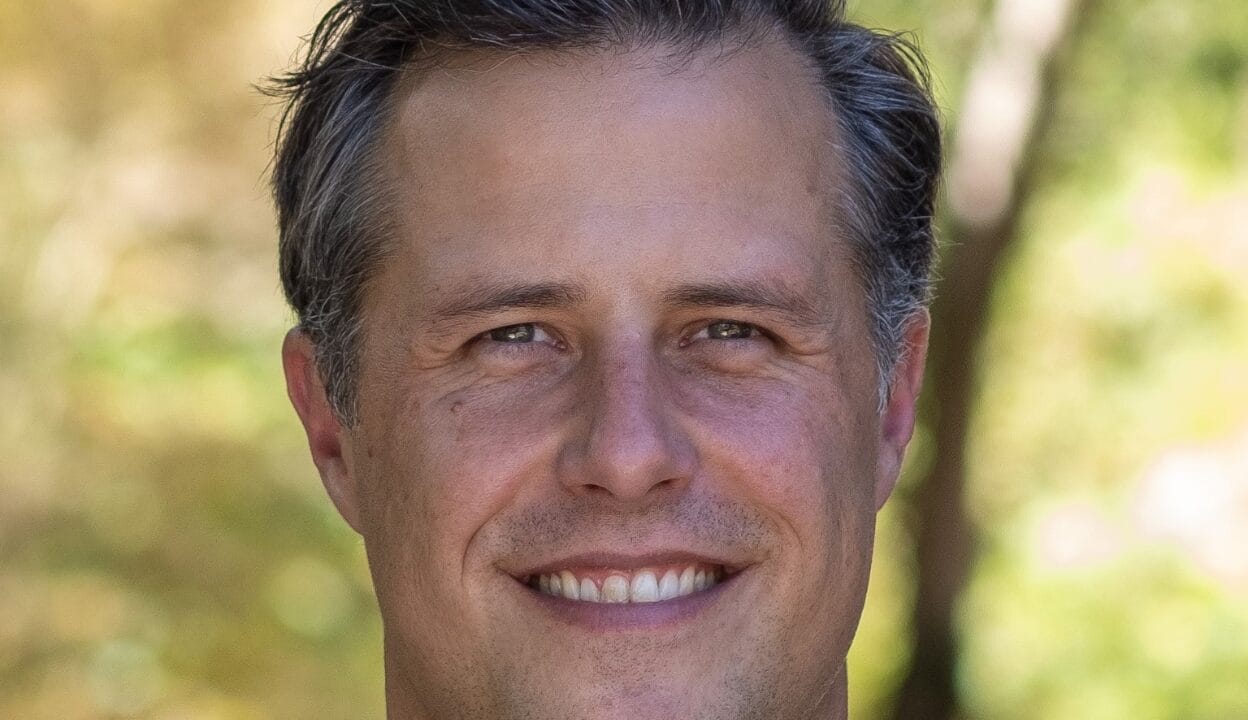

Investment strategy at Seattle City Employees’ Retirement System (SCERS), is guided by an overwhelming focus on long term assets. Hedge funds and commodities are out and cash – not a risk-free asset for a long-term investor – is kept to a minimum. Instead, perpetual equity, long term fixed income and real assets are in, accounting for a combined three quarters of the $4.1 billion portfolio.
“The takeaway is that those of us with long-lived liabilities like pension funds, benefit from being invested in long-lived assets like equities, real assets and long-dated bonds and should leave the short-lived assets like cash, intermediate bonds and hedge funds to those with short-lived liabilities,” says SCERS’ CIO Jason Malinowski in an interview with Top1000Funds.
Malinowski calls the strategy liability aware investment and dates the approach at SCERS to a board request six years ago that the investment team think more about the liabilities when assessing risk and performance. It fired the starting gun on a conceptual and analytical framework, followed by an incrementalist approach that is still not complete.
In the intervening years events like the collapse of Silicon Valley Bank (SVB) have built on Malinowski’s faith in the strategy. He uses the travails of SVB to illustrate what can go wrong when an organisation’s assets and liabilities are structurally misaligned. In this case, SVB’s substantial holdings of long-term bonds – which suffered crippling losses when interest rates rose – and short-term deposits.
“SVB failed to balance long-lived assets and short-lived liabilities when the opportunity cost of capital increased,” he explains.
It’s the exact opposite for pensions. “For pension funds, liabilities are long term and members can’t withdraw their funds. If they invest in short term assets like hedge funds and credit they have the opposite asset liability mismatch that is exposed if the opportunity cost of capital falls.”
He says the strategy involves a shift from thinking about risk and performance of the investment portfolio to the risk and performance of the total plan. SCERS’ liabilities are discounted according to expected returns, and the team need to understand the relationship between investment performance and changes in expected returns.
“We needed to switch our focus from asset volatility to funded status volatility.”
Hedge funds and core bonds
In 2019, Malinowski eliminated hedge funds, re-allocating money to equity and infrastructure. Last year he went a step further, trimming the allocation to core bonds in favour of a new 5 per cent allocation to long term bonds.
While many CIOs enthusiastically endorse hedge funds’ uncorrelated returns, particularly when bonds and equities fell in tandem in 2022, Malinowski believes he can find enough diversification between stocks, bonds and long-term real assets to override the need for hedge funds.
“Hedge funds do not have a role in a portfolio that funds long term liabilities,” he says.
Moreover, as a liability aware investor, plummeting stocks and bonds in 2022 were not a source of alarm.
“I had a different view of what happened in 2022. We saw negative asset performance, but it was also a period when expected returns were increasing – bond yields were increasing, and earnings yields also increased. Our assets fell for sure, but our liabilities were also falling because expected returns increased, and this made the pension maths work again.”
Liability aware investment also means Seattle loses out on bold allocations to star performing assets like private credit where SCERS’ small allocation is capped, but other investors continue to flock.
But Malinowski is happy with a limited exposure. He reasons that one of the biggest risks with private credit for investors with long lived liabilities is re-investment risk. “When we get our principal and income back after 3-5 years we will have to reinvest it into new credit allocations. But this is subject to the market environment at the time which could have lower interest rates and lower credit spreads,” he says.
Background to the strategy
The strategy has similarities to LDI – like a focus on the whole plan rather than just the investment portfolio, and funded status volatility rather than asset volatility. However, LDI liabilities are discounted based on long bonds and in a liability aware portfolio, all long-term assets are attractive because they align with long term liabilities.
“Yes, we like long bonds, but we also like equities because they are perpetual, and real assets like real estate and infrastructure.”
He says the strategy does not cut fees dramatically. SCERS’ long-term fixed income allocation is in passive treasuries, but the fees from the equity and real asset allocation are still high. “With 30 per cent in private markets we do have meaningful fees. This was not an exercise in minimising fees.”
The strategy doesn’t use leverage in the bond portfolio and is straightforward to implement, something that is important because it helps weather any storms. He is mindful of liquidity and the need to pay benefits, but says SCERS’ doesn’t need huge amounts of liquidity on hand. “You need to be aware of how much liquidity you can take, but our outflows are modest. Liquidity isn’t a meaningful constraint for our portfolio.”
Malinowski fields regular enquiries from peer CIOs interested to know more. Many of their questions centre on how he got board approval and how the fund first initiated changes in its asset liability study to switch to long-term asset classes. He finds the process useful since it tests what SCERS has put in place – and it also reassures him that SCERS hasn’t strayed too far from peers.
“I am focused on how different we are [to other funds],” he concludes.








Leave a Comment
You must be logged in to post a comment.
Login