

The $1.4 trillion Government Pension Investment Fund of Japan is using ESG as a better beta strategy, to improve the market as a whole, rather than to seek excess returns.
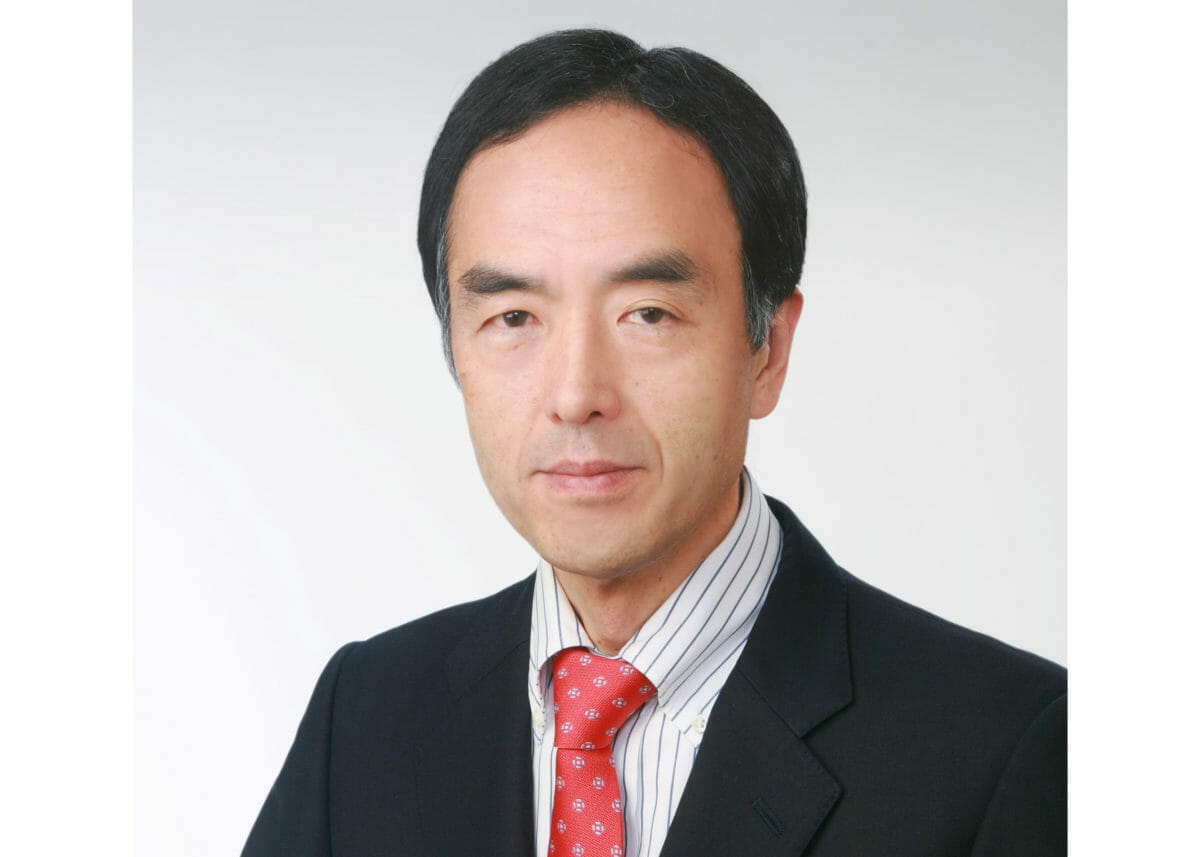
Professor Yasuyuki Kato, finance professor at the Graduate School of Management At Kyoto University and board member of the $1.4 trillion GPIF, said a fund that size cannot beat the market, because it is the market, so it needs to focus on creating wealth not trading it.
Giving the fifth lecture in a series to honour the 91-year-old Harry Markowitz at the University of Washington’s Foster School of Business in Seattle, Kato said improving the market as a whole was especially important in Japan, where local shares have experienced very low returns over the last 10-15 years.
“If ESG ratings are reflected in stock prices, the stock price will go up if the ESG ratings in the company improve,” he said. “Because of our size, we can only buy and hold, and end up with the market average. We can only improve performance by improving the market return; we are expecting ESG will contribute to this.”
The fund has slowly been moving out of domestic bonds, first diversifying into domestic equities and then gradually into international assets. In the last five years, GPIF has doubled its allocation to domestic equities, so market return is more of a concern to it than it has been in the past.
In 2007, about 72 per cent of the fund was in domestic bonds. Asset allocation by the GPIF at the end of September 2017 was domestic bonds (28.5 per cent), domestic equities (24.35 per cent), foreign bonds (14.02 per cent), foreign equities (24.03 per cent), and cash (9.10 per cent).
GPIF is reasonably new to ESG investing and became a signatory to the PRI only last year. At the moment, 3 per cent of Japanese equities, about $10 billion, is allocated to ESG investments, and the fund is planning to increase this allocation to 10 per cent.
Kato, who was formerly head of research at Nomura, said there is a big opportunity in the Japanese equities market for companies to improve their ESG.
This upside exists in part because ESG is not factored into current share prices of Japanese listed companies. In fact, Kato’s analysis shows that only governance is factored into the Japanese market. Social and environmental factors have not been. This is unlike other markets, such as the US or UK, where ESG factors are already factored into the share prices, he said.
In the past, Japanese companies had a very low return on equity, but since corporate governance has improved, thanks largely to Prime Minister Abe Shinzo and Abenomics, return on equity has also improved.
“They are statistically linked,” Kato said.
Two paths to better beta through ESG
The GPIF is using two methods to achieve better beta using ESG. The first is to invest in the whole market passively and engage with companies. Currently, about 90 per cent of the fund’s equities allocation is passively managed to the Tokyo Stock Price Index, which includes about 2000 companies.
“This strategy is easy to explain but difficult to implement,” Kato said. “There are a number of issues, including who takes the cost of improving beta through engagement, and how to monitor performance. These are still unsolved issues.”
One obstacle here is how to engage with that many companies and perhaps a solution could be to engage with fewer of them. Kato points to research by AQR that demonstrates a negative correlation between ESG ratings and value shares and indicates value and small-cap shares could be targets for engagement.
A second solution to better beta is to allocate to an ESG index. Last year, GPIF allocated 3 per cent of equities to three indices developed with FTSE and MSCI – the FTSE Blossom Japan Index, MSCI Japan ESG Select Leaders Index, and MSCI Japan Empowering Women Index.
Kato said the GPIF was not expecting additional returns above the market from investing in these indices, but is attempting to improve the overall market.
“ESG index management means only the companies with high ESG ratings are selected and invested in,” Kato explained. “GPIF believes companies want to be part of that index, and so will improve their ESG ratings, and thus improve the market overall. I call it the incentive index.”
GPIF is also now searching for global share index providers.








Leave a Comment
You must be logged in to post a comment.
Login