
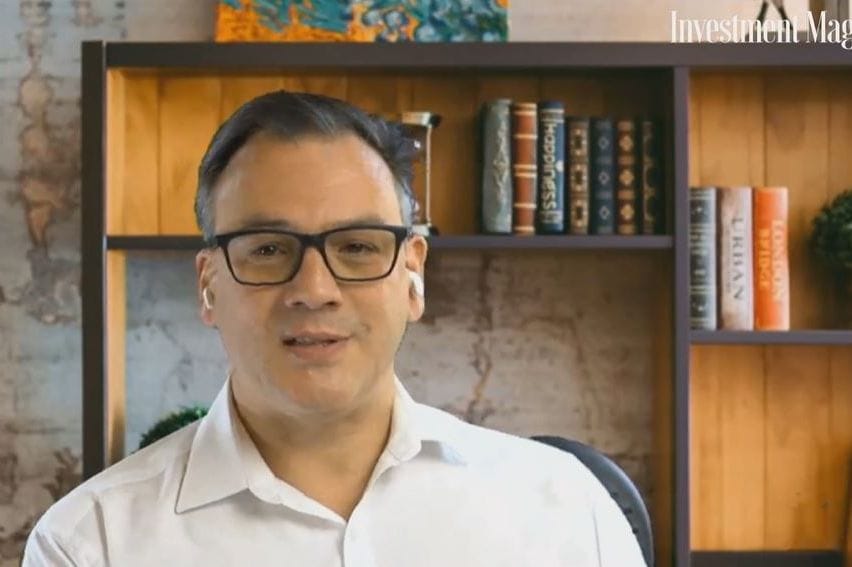

Organising teams to develop thinking outside of investment silos has helped Cbus navigate recent liquidity challenges and devote deeper thinking to structural trends, the A$54 billion fund’s CIO Kristian Fok has said.
“We were trying to make sure we weren’t just replicating a whole team of specialists and taking advantage of what asset owners have, and what fund managers don’t have, and that is we have a big portfolio and therefore leveraging the insights of those teams,” Fok said while explaining the fund’s changed approach during an interview on Tuesday for Investment Magazine’s latest Fiduciary Investor’s Symposium.
During the conversation Fok described the “substantial demand” from Cbus’s members for redemptions and transferal of individual fund balances to cash during the March market sell down sparked by the global pandemic and the subsequent payout under an Australian government mandated early release of superannuation scheme in response to the crisis.
At this time Fok said he and his team looked at the different ways to create liquidity without adversely impacting flexibility to invest when the opportunity to invest came about – and the opportunity did.
“There were a couple of days that were quite frightening in terms of how the market froze up until the Reserve Bank stepped in,” Fok said.
“[It meant] bringing together our cash management team to look at what was going on day to day… but also we have an implementation team who look at different overlays of futures and exposures also securities lending, also our equities and global equities teams, bringing them together and looking at different ways to achieve liquidity in different timeframes was an important aspect of getting through in a successful way but also investing in a substantial and rapid market recovery,” Fok said.
Cbus saw a quarter of a billion dollars switch into cash in one day right at the time markets had sold off, Fok said.
We needed to be in a position to meet those needs. We had to make sure we had a reasonable buffer around the cash available. In order to get that buffer we thought about other ways to unlock liquidity [that didn’t require holding excessive cash levels],” he said.
Along with pulling together thinking from its various teams Cbus went to its custodian to pull together private repurchase agreements, a move designed to unlock further liquidity buffers, Fok said.
“That was an important release valve because there might have been an extreme scenario,” he said.
Outside the box
The focus on stepping out of asset class specialisations will continue to influence the fund’s approach as it internalises more of its investment management capabilities and continues to consider the big trends influencing asset prices globally, Fok said.
“How do we think about positioning the portfolio coming out of low interest rates, how do we think about broader disruption, technology and automation, how will that disrupt existing assets and where we should be invested,” Fok commented, raising some of the structural trends teams need to step away from asset class silos to consider. He added macro considerations including economic growth, interest rates and diversifying factors to this list of broader considerations, too.
To help his teams step out of the sector review and “tick a box” mentality that can come with being asset class focused within a large asset owner, Fok said he has proposed to the investment committee that four of its 11 annual meetings focus on global macro economic thematics such as climate.
While one third of the assets Cbus has under stewardship is currently managed internally, Fok said it wouldn’t surprise him if 50 per cent of the fund was ultimately internally managed as its internalisation program continues to move forward at pace.
“We still have a lot of way to go to build out capacity in some areas,” Fok said. He pointed to debt and unlisted asset classes including infrastructure as areas the fund planned to continue to internalise capabilities for although he noted the infrastructure asset class would likely involve co-investment partnerships.
Fok said he believed in active management even though he expressed concerns about the direction listed performance benchmarks might drive some funds, particularly those skating close to periods of underperformance.








Leave a Comment
You must be logged in to post a comment.
Login