
Under-priced climate risk plagues pension portfolios

Climate risk remains systematically under-priced, the world isn’t on course to meet net zero and investors must prepare for the risks of climate and environmental change.

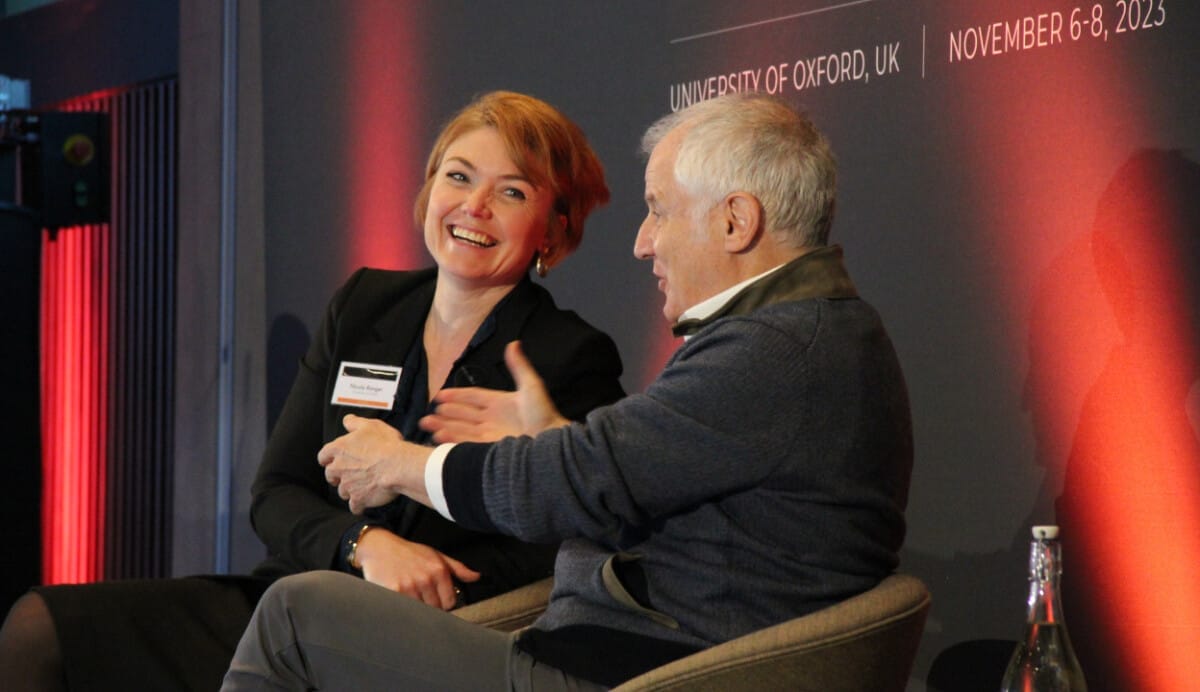
So warned Nicola Ranger, executive director of the Oxford Martin Programme on Systemic Resilience and a senior research fellow at the Institute for New Economic Thinking at Oxford Martin School, opening the second day of Sustainability in Practice at the University of Oxford. She said that climate risks are coming thick and fast, with a direct impact on assets, labour productivity, patterns in demand, supply chains and markets.

Ranger urged asset owners to re-evaluate climate risk and bring this analysis into their decision-making. For example, few asset owners report on the physical risk of climate change in their portfolio.

“Not managing this risk means the wider economy is not getting the economic signals it needs to create changes. Financial institutions need to price risk properly, and signal to the wider economy that it needs to adapt.”

If governments and countries meet all their pledges, she predicted global warming could be capped at 1.8 degrees, below the threshold for catastrophic tipping points. But she also described a much more pessimistic view based on progress to date and the fact global emissions keep climbing and still haven’t peaked. “We are not on course.”

The risks of climate change are already visible. For example, high temperatures is causing deaths, disrupting transport networks and leading to floods and drought as rainfall patterns change, impacting agricultural systems. She flagged implications for water-dependent industries and big increases in volatility of commodity prices. “Sixty percent of our food comes from five countries,” she said, predicting shocks to supply chains and impact on sovereign credit ratings.

Sponsored Content

Investors have a role to mobilize finance across geographies, countries, sectors, infrastructure and agriculture. But she warned that many investment decisions are not building resilience. For example, new infrastructure investment doesn’t always consider climate-related risk. “We are still building physical infrastructure that economies depend on, but we are not doing it in a way that is considering climate risk, risking both investors and society,” she said. Similarly, she flagged the much of the estimated annual $6 trillion invested in agriculture doesn’t consider future climate risks.

Ranger urged asset owners to take a holistic approach to managing risk and align their portfolios with resilience. They should ensure they “do no harm” and manage risk in their own portfolio to ensure it doesn’t create risks for society. For example, she said water companies have a significant impact on water scarcity.  Elsewhere she noted that data centres are exposed to climate risk like heat, and they are also water dependent. Adaption can bring returns from investing in new technology, but adaptation also incurs long term costs. For example, retrofitting buildings requires upfront investment.

“We, as a society, are mismanaging climate risk. We are putting insufficient emphasis on our safety and not properly valuing the impact of climate change or logging or exploitation of the soil. Many things doing that are impacting environment that are impacting on us.”

Leave a Comment

Returns, resilience and reinvention: What private markets’ top brass are worried about

Returns, resilience and reinvention: What private markets’ top brass are worried about

Senior executives from some of the world's largest private market managers gathered in Berlin this month with a collective understanding: managers who move slowly on AI face not just weaker returns but the risk of owning businesses that have been competitively displaced before they can exit.

Sort content by

Korean fund faces unique challenge

The KRW14.3 trillion ($12 billion) Korea Public Officials Benefit Association is sitting on more than 10 per cent cash, but in a unique challenge due to the coronavirus crisis, it is having trouble deploying capital. Amanda White spoke to CIO, Dong Hun Jang, about the options including listed alternatives and distressed opportunities.

Risk management in a time of crisis

Markets in disarray are where long-term investors make money. Investors that perform the best over the long term will have taken calculated and deliberate risks and put money to work during crises like this one. But how? Focusing Capital on the Long Term CEO and research director discuss.

Enormity of climate crisis misunderstood

There is a lack of understanding in investment decision-making about how big the climate crisis is which could lead to investments and risks being mis-directed, according to Professor Cameron Hepburn, Professor of Environmental Economics at Oxford University.

Rising to the challenge

Boards and investment committees must rise to the current challenge, with governance models needing a pivot to respond to the new social distancing norm. Roger Urwin outlines a virtual investment committee model.

Liquidity, rebalancing reign at PSERS

Cash is king right now, according to CIO of the Pennsylvania School Employees’ Retirement System, Jim Grossman, and he’s got plenty of it. The fund has a very diversified asset allocation, with about half the portfolio invested in liquid assets and Grossman and his team are working hard to make sure that the strategic allocations are maintained.

Wiseman’s wise words for investors

Ensuring a portfolio has enough liquidity to rebalance back to the long-term strategic asset allocation is the most critical preparation investors can do ahead of any crisis, according to Mark Wiseman, who said this current environment could be the "opportunity of a generation".

Previous



