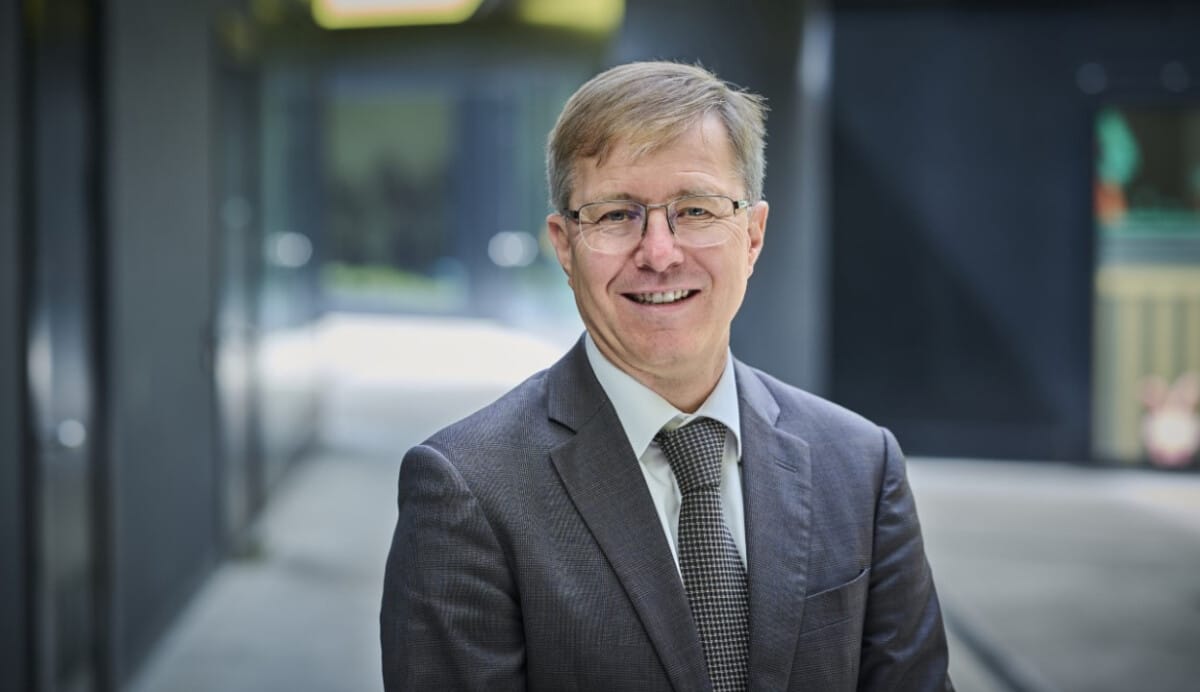

Real estate drags for Swiss fund MPK but climate proofing gathers momentum

Migros-Pensionskasse (MPK) the CHF28.2 billion ($30 billion) pension fund for Switzerland’s largest retailer, Migros, has just posted returns of 3.7 per cent. MPK CEO Christoph Ryter told Top1000funds.com the below median performance, at least compared to MPK’s peers, was mostly attributable to its allocation to poorly performing local and international real estate that together amount to around 32 per cent of assets under management. The local portfolio returned 0.2 per cent and the international allocation -1.3 per cent.

The latest results contrast to last year when MPK’s high strategic allocation to real estate helped mute the impact of losses in equities and bonds and was the main reason the fund performed better than peers. Still, back then Ryter predicted gains in real estate valuations would begin to vanish, or turn negative.

Ryter isn’t planning any changes in the portfolio ahead of an asset liability management study this year. Conducted every four years, it will inform strategy from the beginning of 2025. MPK’s other allocations comprise nominal value investments (32.8 per cent of AUM) equities (27.7 per cent) and gold (2 per cent) as well as a 5 per cent allocation to infrastructure that sits in the property allocation.

Real estate woes

MPK divides its real estate portfolio between a larger, direct investment portfolio in Switzerland managed internally (comprising around 300 properties) and a smaller international allocation comprising fund investment and collective vehicles. The bulk of the domestic real estate allocation is invested in rental apartments where valuations and demand are usually supported by the increase in the number of people coming to live in Switzerland and a strong renting culture.

One challenge to the strategy in recent years has been finding enough properties in Switzerland to fill the target allocation. Buying and selling is slow, and finding projects and securing permits time-consuming.

MPK has made much progress preparing the real estate allocation for climate change. Strategies include replacing fossil fuel heating with heat pumps and connecting to a district heating network. However, Ryter said although real estate is one of the best asset classes to have an impact on cuttingemissions, it is also important to consider costs when integrating sustainability in real estate, and balancing costs with adding value.

Sponsored Content

Other initiatives include reducing resource consumption by better aligning consumption to changes in tenant behavior. Another initiative includes investigating the impact of improving insulation and airtight windows, and introducing LED lamps.

The pension fund reports that tenants’ need for charging options for electric vehicles continues to increase. New buildings take this trend into account from the planning stage. For existing properties, MPK will retrofit where necessary. Some 44 properties (14.8 per cent) have over 100 parking spaces with electric charging stations.

Rising interest rates have improved MPK’s coverage ratio, currently 129.4 per cent compared to 124.5 per cent in 2022. Meanwhile, MPK reported administrative costs per insured person are CHF 100.4 while the asset management costs were 35.1 centimes per CHF 100 of assets.

The number of insured people at the end of 2023 was 80,500 (300 more than in the previous year) of which 29,600 were pensioners.

Leave a Comment

The twin forces rewriting the rules of investing

The twin forces rewriting the rules of investing

Portfolios built for the old world will be severely tested as emerging forces rewrite the rules of investing. The Fiduciary Investors Symposium heard that geopolitical and macroeconomic upheaval, together with the disruption wrought by AI, should force asset owners to rethink the structure and composition of portfolios.

Sort content by

Atleast 2023 until ‘normal’ returns

It will take at least an additional two years from now to eradicate the COVID-19 health pandemic despite various coronavirus vaccines being rolled out warned health experts at the FIS Digital 2020. Dr Ian Norton, former global head of WHO’s Emergency Medical Team Initiative, said a long road to normal still lies ahead.

“Black Swan” an excuse for inaction

Black Swan has become a cliché for any bad thing that surprises us. But the onset of COVID-19 was not a Black Swan according to the academic who invented the term and laments its misuse. So why does the finance industry continue to be ignorant or unable to look beyond traditional finance models in assessing global risks?

Diversity: The data challenge of 2020s

Assessing, managing and changing diversity, equity and inclusion (DEI) is set to become the data issue of the 2020s, as asset owners turn their attention to the power they have to advocate for change in the companies they invest in, and the firms that manage their money.

Merger progresses company ESG reporting

SASB and IIRC merge to form the Value Reporting Foundation, a move that is in direct response to calls from global investors and corporates to simplify the corporate reporting landscape.

NZ Super debates currency risk

NZ Super's recent five-year reference portfolio review saw much debate over currency risk, with the discussion elevating to the board - an unusual situation for the fund whose internal IC usually makes recommendations to the board.

Democracy intact: Kotkin

The victory of Joe Biden over Donald Trump in the US general election is a “double repudiation” not just of Trump but of the “democracy in crisis crowd” who thought American democracy was under threat, argues historian and author Stephen Kotkin, Professor in History and International Affairs at Princeton University.

Previous