
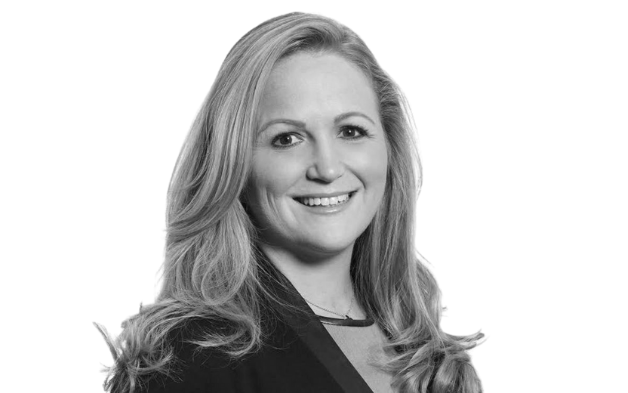

Building the expertise for direct investment in global real estate and infrastructure is a priority for the new CIO of the United States’ largest pension fund. Nicole Musicco spoke to Amanda White in an exclusive interview at the Fiduciary Investors Symposium.
The new chief investment officer of CalPERS – the biggest pension fund in the United States – sees “a tremendous amount of low-hanging fruit” to be gained by greater private market allocations and diversifying the fund’s global investments.
Noting a relatively low allocation to private markets and to markets outside the United States compared to other funds of its size, CalPERS’ new CIO Nicole Musicco said building global strategic partnerships for co-investment deals in real estate and infrastructure would be a long-term priority.
Musicco was speaking at Top1000funds.com’s Fiduciary Investors Symposium at the Chicago Booth School of Business, in an exclusive interview with Amanda white, director of institutional content and the publication’s editor. Musicco is only two months into the job at CalPERS, which has around $500 billion under management.
“Certainly for the size that CalPERS is, we have ample opportunity to be leaning more into the private markets space,” Musicco said.
But Musicco, a Canadian, said building a direct investing program is not something to take lightly based on her first hand experience overseeing private equity at the Ontario Teachers’ Pension Plan. Building the expertise required “takes a good decade”, and CalPERS would continue relying on fund managers for the foreseeable future as she took stock of existing in-house expertise and looked to leverage a growing skill base across across different asset classes.
CalPERS last year increased its allocation to private equity, added a private debt allocation and approved leverage for the first time in the fund. Building the technology and data strategy required to facilitate nimble decision-making in such a large fund would be crucial, Musicco said.
“As soon as you’re going to start putting it out there that you’re ready to do more co-investing or direct investing, you know, partners expect you to be able to respond in an efficient manner, and if you don’t then you lose credibility and those calls stop coming in,” she said.
White asked about how she was viewing global macro risks–in particular inflation–and where she planned to take more active risk in the portfolio.
Musicco said she is preparing for her first investment committee meeting in June, and will be seeking to build a portfolio for resiliency in difficult market conditions, balancing the current exposure to equities with bringing more diversification into the program.
The correlation between bonds and equities is “much tricker” than in the past with fixed income not providing the “shock absorption” it traditionally has, Musicco said, leading her to look at other potential sources of active risk in private markets.
One potential low-hanging fruit is the fund’s relatively low amount of exposure outside the United States, she said, and here she saw an opportunity to build global diversification across asset classes.
There may also be opportunities to “turn up the heat a bit on active risk on the equity side,” Musicco said. Sub-sectors of real estate and infrastructure could add to both the liquid and illiquid parts of the program, she said.
With CalPERS famous for its engagement with companies on areas of ESG, Musicco said she had big shoes to fill on issues of diversity, equity and inclusion–known as the DEI movement–and ensuring CalPERS is a healthy and vibrant workplace. DEI is particularly important to her along with the path towards net zero emissions, she said, and she will be making sure analysis in these areas will be integrated with the fund’s risk analytics.
“Having DEI as one of those key pillars and areas of focus from the top of the house down in an organisation is super important,” Musicco said, noting this should be viewed through the “investing lens as well as the risk lens.”
“I’m making sure we have diversity in our decision-making, and then, through the investing lens, I do think that there needs to be a bigger push into…making sure any unconscious biases are really looked at when we’re looking at making investment decisions, for example, and to third-party managers.
“That we are, you know, acutely aware in our measuring the progress that we are making on investing behind the deep diversity and inclusion type framework. Those sound like easy things to do, but they’re not. I think organisations need to really make a commitment to be measuring progress along the way and reporting that progress.”








Leave a Comment
You must be logged in to post a comment.
Login