


The best way to tap alpha investing in the energy transition is to buy assets in high carbon-emitting sectors and help them green, a major pension fund’s investment committee has heard.
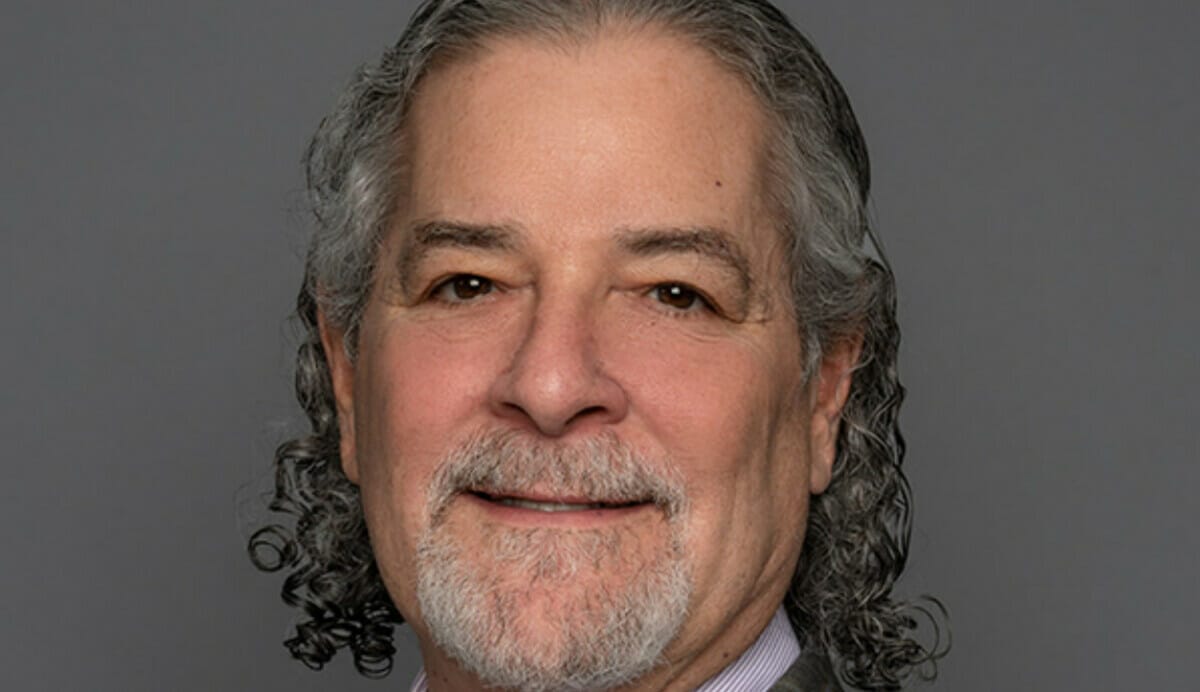
Mark Carney, vice chair of Brookfield Asset Management and Head of Transition Investing at the manager, a guest speaker at a recent CalPERS investment committee meeting, said an asset’s emissions will be inextricably tied to financial performance in the years ahead, already visible in how low emitting companies within a sector currently trade at a premium.
“Nothing succeeds like success, and value creation will bring imitation,” Carney said.
“Being low carbon is a determinant of companies and countries competitiveness. We will increasingly see this over time.”
Carney dates his epiphany on the opportunity and risk of climate change to when he was Governor of the Bank of England between 2013-2020. Overseeing the Lloyds insurance market, in the grip of rising inflation-adjusted insurance costs due to extreme weather events, plus a steady rise in uninsured losses, opened his eyes to the climate risk coming down the track.
Investors will find the best returns from investing “where the emissions are” and supporting assets transition. He counselled against divestment from heavily emitting industries, arguing it would result in shutting down core parts of the economy in too large an economic adjustment.
A belief already integral in CalPERS approach to sustainability. CalPERS (and CalSTRS) recently voted against a Californian bill that would prohibit the fund from making new investments in fossil fuel companies and would also require both pension funds to divest existing fossil fuel company investments on or before July 2030. “CalPERS does not believe that mandatory fossil fuel divestment is an effective solution to the reduction of greenhouse gas emissions,” said the fund in a statement.
With less than ten years remaining in the global carbon budget (the amount of carbon the world can produce to keep within a temperature threshold) investors need to support heavily emitting industries reduce their emissions. And Carney said the need for capital amongst high emitting industries is paramount.
Many companies are in a transition trap, unable to tap public markets to invest in the transition, and paying large dividends to shareholders. This offers an opportunity for investors like CalPERS, although he said the pension fund would have to commit to owning those high emissions until they started to fall.
He told board members that investors are increasingly committed to asking companies for their transition plans. And the fact that many corporates are only beginning their journey, offers investors even more of an opportunity.
Local opportunities
Investors have other opportunities to tap transition alpha. It is also possible to generate alpha by investing in local solutions, a crucial element of progress. This could include local investment in a new electricity system that transports clean energy, suggested Carney. “Three quarters of our emissions are traceable back to energy. The issue is getting that energy clean.”
In another strategy, CalPERS could consider carving out a specific transition strategy like Canada’s OTPP and Singapore’s Temasek. Both these investors are investing where the emissions are, going “above and beyond” the core opportunity. “The dynamic around getting capital to climate solutions is starting to kick in,” he said.
Above all, Carney urged board members to recognise the scale of the trend ahead. “Clean energy investment is tripling,” he said, adding that the risk of not acting is manifest in every corner of the portfolio.
Risks include property exposed to climate change in the real estate allocation, and investments in companies that have not adjusted their business model to a green economy. He said investors should “pick and choose” investments in fossil fuel groups, mindful of stranded assets and fossil fuel groups paying out more cash flow as dividends or debt repurchases versus spending on investment. “Are they building up expertise? Some of them are,” he said.
Macro risk
Carney told the board that the transition also holds macro significance that carries implications for the portfolio. Transition investment will impact the rate of inflation; the speed of economic growth, job creation and, in Carney’s view, medium- and long-term interest rates. Rates will track higher because of the multi-decade investment boom in the energy transition ahead. This will have ramifications for portfolio construction, managing risk and fixed income portfolios, he warned. “These are considerations to take into account.”
In contrast to the last two decades, investment will rise relative to GDP. He added that the transition to a clean economy will affect every industry, and is on a scale of the industrial revolution but at a speed akin to the digital transformation, taking place over the next quarter of a century.
Regulation will accelerate the transition. Witness policy in Europe where the EU has agreed to ban the sale of new petrol and diesel cars from 2035. “The impact on investment in electric vehicles was almost immediate,” he said. “It drives activity.”
“What happens when California puts in regulation to get emissions down? It’s a big change and old economic models will become uneconomic.” He said that TCFD will become the global standard in climate disclosure and noted that countries the world over are starting to act with purpose.
Countries’ policies to limit emissions to less than 2.5 degrees are progressing, and combined these commitments are getting close to where we need to be. “The expectation is these commitments will tighten,” he said.
Policy will drive the transition via a combination of regulation and subsidies, or support through the tax system like America’s Inflation Reduction Act (IRA) which provides large tax incentives for energy and climate change measures. A national carbon tax is unlikely. Not many jurisdictions have introduced a carbon tax and the coverage is uneven. “The rest of the world is responding to this by trying to level up to IRA as much as possible.”
Other factors are also speeding up the transition. Reshoring trends mean companies relocating production facilities in new jurisdictions have are keenly focused on where their energy is coming from. “There is no point locking in emissions when they move,” said Carney. Geopolitical risk has also hastened the transition, visible in Europe accelerating the energy transition since Russia invaded Ukraine.
A Just Transition
Acting early and investing in transition opportunities now will help support a Just Transition. As a financial market participant, CalPERS is engaged with what is happening to the community and workers tied to its assets.
Investors can support workers but sighting new facilities in the same place as legacy infrastructure.
Access to raw materials like copper and lithium is a choke point. But he said the west is now focused on this and new resources will be developed. Exploration of these materials is a small component of the overall cost of the transition. “The transition will throw up challenges and we will focus on addressing them,” he said.







Leave a Comment
You must be logged in to post a comment.
Login