An announcement from the editor

Today marks a new chapter for our publication.

For nearly two decades, we’ve provided independent, in-depth journalism on how the world’s largest institutional investors construct portfolios, make allocations and navigate an increasingly complex investment landscape.

We’ve published more than 5,000 stories, connecting you with the thinking, strategies and peers shaping the global investment industry.

That commitment isn’t changing. But from today, access to our journalism will require you to be logged in.

This change helps us protect our original reporting from AI crawling and unauthorised republication, while ensuring we can continue investing in the depth, rigour and specialist journalism you expect from Top1000funds.com.

Registration is simple. Once your account is activated and you’re logged in, you can continue accessing the site as usual.

Sponsored Content

Thank you, sincerely, for your ongoing support. And if you have any feedback or ideas for how we can improve, please feel free to get in touch.

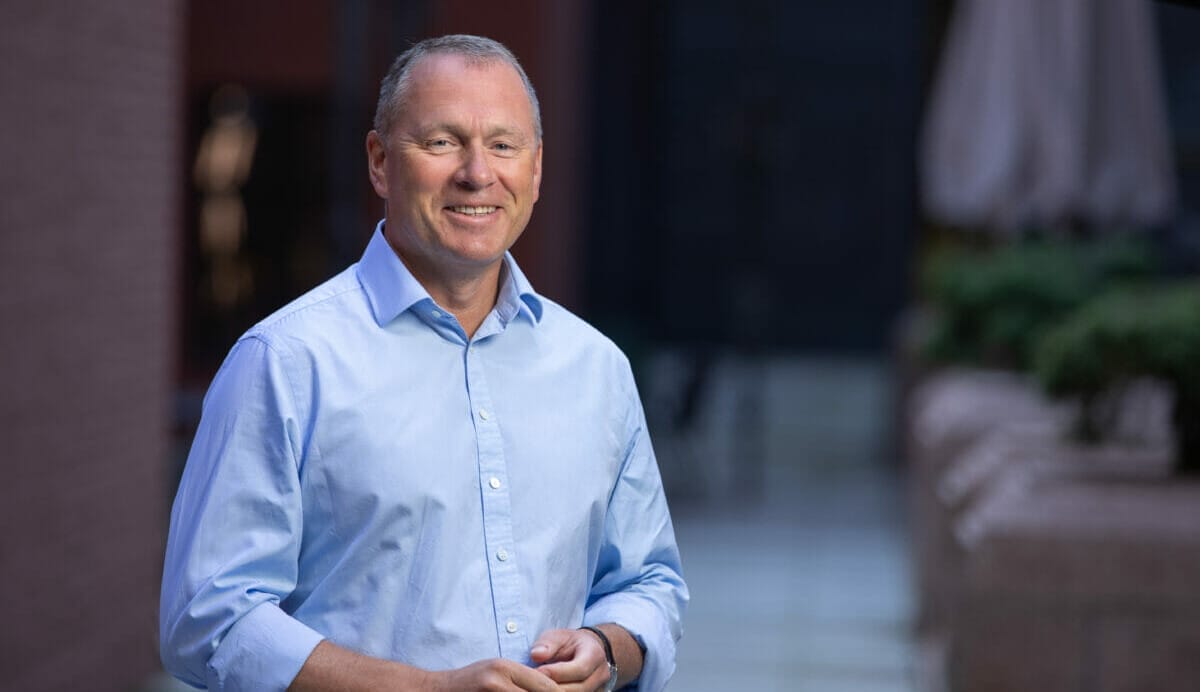
For more context on the change, and why we believe it’s important, watch my short video above.

Continue Reading

A Top1000funds.com subscription unlocks the full article

Join the global institutional investment platform read by the world's largest asset owners, fund managers and consultants.

New here

Create an account

Complimentary to register. We'll verify your details and grant access to the archive, our newsletters and the Asset Owner Directory (enhanced features coming soon).
Register now
Already a member

Sign in

Already activated your account? Sign in to continue reading and access your saved articles, preferences and member-only content.

Leave a Comment

Could Norway’s SWF really disappear?

Could Norway’s SWF really disappear?

Rising geopolitical risks and an AI correction could severely impact the value of the $2.2 trillion Norwegian sovereign fund, according to its chief executive Nicolai Tangen, who went so far as to say the fund could "disappear." The warning is a stark one for the world's largest sovereign wealth fund, whose 70 per cent equity allocation leaves it heavily exposed to any sharp correction in global and particularly US tech markets.

Sort content by

Denmark’s AkademikerPension takes on the banks financing fossil fuels

Engagement by Denmark’s AkademikerPension forced Dankse Bank to rethink financing fossil fuels. CIO Anders Schelde believes this represents a new frontier in institutional investor pressure on the fossil fuel industry that will work because financing oil and gas is not a core business for banks.

CalSTRS positions for the future with new investment team structure

CalSTRS has restructured the investment team with an eye on its future growth and the best people to achieve its mission. This includes examining the complexity of the portfolio and the skills required to manage it effectively in the future. Amanda White spoke to deputy CIO, Scott Chan.

LACERA: Why rebalancing is asset allocation’s best friend

Rebalancing back to asset class strategic ranges after a market rise or fall is one of the most vital seams of strategy at the $70.1 billion LACERA. It ensures the investment team remain consistent with investment policy statements, don’t try and time the market and avoid behavioural biases according to CIO Jonathan Grabel who calls is “the best long-term strategy we have”.

Asia still the epicentre of global growth, but with greater headwinds

Asia will remain the epicentre of global growth during 2023, but rising global headwinds will drive greater variation between markets, experts predict. Ben Hurley examines the outlook for the region ahead of the Fiduciary Investors Symposium in Singapore next month.

NBIM’s climate advisory board set to manage climate risk and opportunity

Norges Bank Investment Management has established a new climate advisory board. Carine Smith Ihenacho, chief governance and compliance  officer, spoke to Top1000funds.com and explains the task at hand.

Tough choices for PE investors in 2023: MassPRIM battens down

2022 was one of the most challenging years for private equity investment for years. Successful investment in today's volatile and challenging market involves vintage year diversification and steady pacing. And the MassPRIM investment team warns that aggregate headline US private equity valuations doesn’t tell the whole story.

Previous