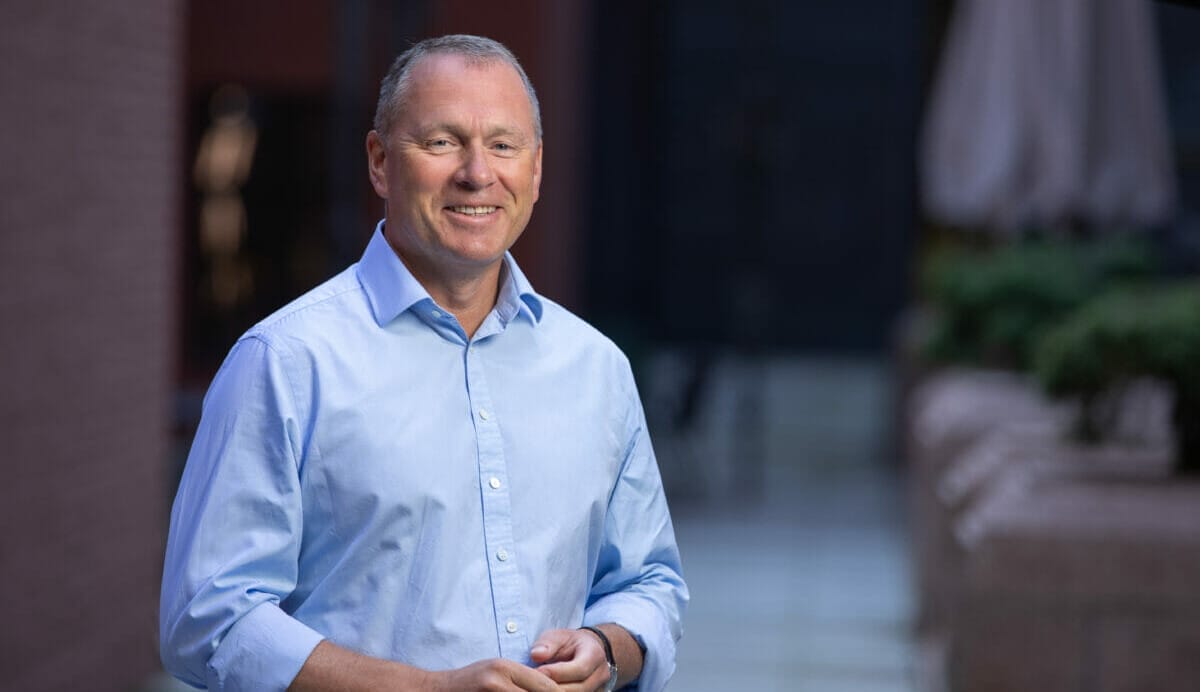
An announcement from the editor

Today marks a new chapter for our publication.

For nearly two decades, we’ve provided independent, in-depth journalism on how the world’s largest institutional investors construct portfolios, make allocations and navigate an increasingly complex investment landscape.

We’ve published more than 5,000 stories, connecting you with the thinking, strategies and peers shaping the global investment industry.

That commitment isn’t changing. But from today, access to our journalism will require you to be logged in.

This change helps us protect our original reporting from AI crawling and unauthorised republication, while ensuring we can continue investing in the depth, rigour and specialist journalism you expect from Top1000funds.com.

Registration is simple. Once your account is activated and you’re logged in, you can continue accessing the site as usual.

Sponsored Content

Thank you, sincerely, for your ongoing support. And if you have any feedback or ideas for how we can improve, please feel free to get in touch.

For more context on the change, and why we believe it’s important, watch my short video above.

Continue Reading

A Top1000funds.com subscription unlocks the full article

Join the global institutional investment platform read by the world's largest asset owners, fund managers and consultants.

New here

Create an account

Complimentary to register. We'll verify your details and grant access to the archive, our newsletters and the Asset Owner Directory (enhanced features coming soon).
Register now
Already a member

Sign in

Already activated your account? Sign in to continue reading and access your saved articles, preferences and member-only content.

Leave a Comment

Could Norway’s SWF really disappear?

Could Norway’s SWF really disappear?

Rising geopolitical risks and an AI correction could severely impact the value of the $2.2 trillion Norwegian sovereign fund, according to its chief executive Nicolai Tangen, who went so far as to say the fund could "disappear." The warning is a stark one for the world's largest sovereign wealth fund, whose 70 per cent equity allocation leaves it heavily exposed to any sharp correction in global and particularly US tech markets.

Sort content by

The challenge of asset owners top-down bottom-up alignment with managers

For pension funds with a large roster of external managers, balancing the integration of top-down strategy with managers’ bottom-up implementation is one of the most challenging tasks says Mark Walker, CIO of Coal Pension. The key is to ensure external managers truly understand the strategic goals for the allocation.

Utah Retirement Systems: Why ESG is a waste of time

Divestment doesn't work, scope 3 reporting will tie companies in regulatory knots and ESG integration threatens pension funds long term returns and their ability to finance the transition. Utah Retirement Systems' John Skjervem says the only way to solve the climate emergency is to keep investing in fossil fuels.

Switzerland’s Publica hit by equity, fixed income correlation

Hit by last year's unusual correlation between equities and bonds, and in a bid to avoid higher long-term inflation, Switzerland's €45.6 billion Publica kick-starts a new strategic asset allocation that will reduce the bond allocation and result in a search for new managers.

NYCRS readies to allocate more to private markets

Since joining $233.5 billion New York City Retirement Systems (NYCRS) six months ago, CIO and Deputy Comptroller for Asset Management Steven Meier has spent the bulk of his time getting under the hood of the private markets allocation, engaging with business partners and meeting some of the best minds in the industry to discuss the

WEF lays out global risks ahead: Cost of living and climate dominate

The world faces a set of risks that feel both wholly new and eerily familiar. The Global Risks Report 2023 explores some of the most severe risks we may face over the next decade.

Why private debt is pivotal to Queensland Investment Corporation

Queensland Investment Corporation's (QIC) CIO of State Investments, Allison Hill, explains why private debt is a crucial part of the portfolio.

Previous