An announcement from the editor

Today marks a new chapter for our publication.

For nearly two decades, we’ve provided independent, in-depth journalism on how the world’s largest institutional investors construct portfolios, make allocations and navigate an increasingly complex investment landscape.

We’ve published more than 5,000 stories, connecting you with the thinking, strategies and peers shaping the global investment industry.

That commitment isn’t changing. But from today, access to our journalism will require you to be logged in.

This change helps us protect our original reporting from AI crawling and unauthorised republication, while ensuring we can continue investing in the depth, rigour and specialist journalism you expect from Top1000funds.com.

Registration is simple. Once your account is activated and you’re logged in, you can continue accessing the site as usual.

Sponsored Content

Thank you, sincerely, for your ongoing support. And if you have any feedback or ideas for how we can improve, please feel free to get in touch.

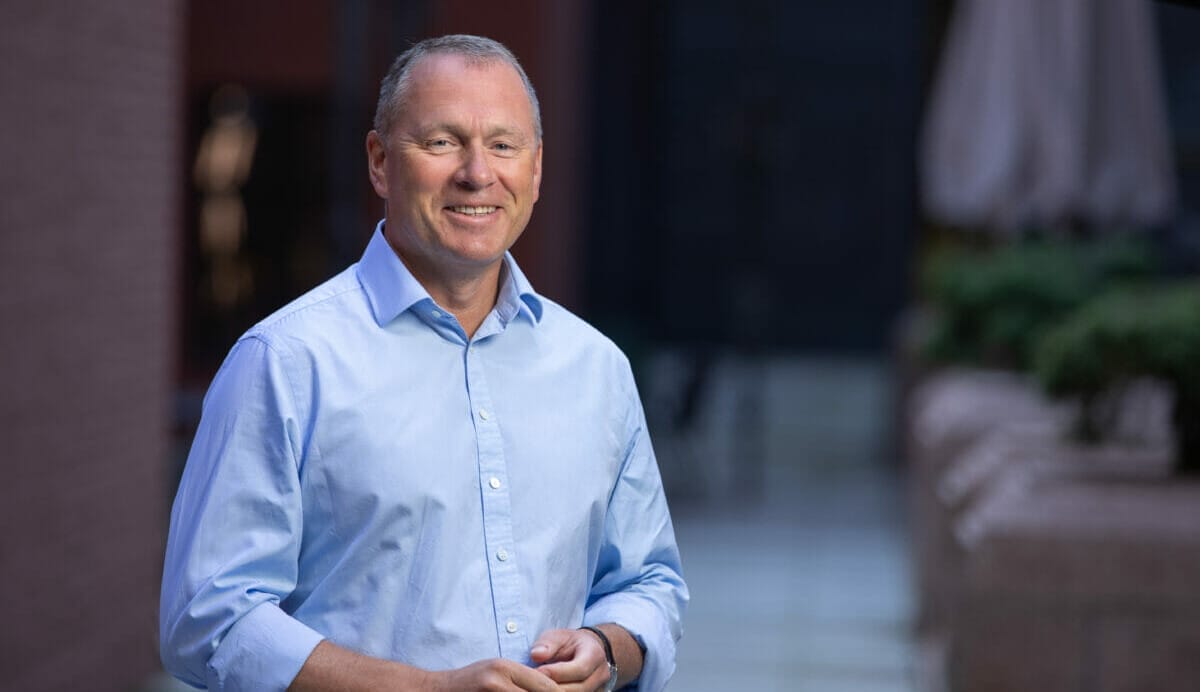
For more context on the change, and why we believe it’s important, watch my short video above.

Continue Reading

A Top1000funds.com subscription unlocks the full article

Join the global institutional investment platform read by the world's largest asset owners, fund managers and consultants.

New here

Create an account

Complimentary to register. We'll verify your details and grant access to the archive, our newsletters and the Asset Owner Directory (enhanced features coming soon).
Register now
Already a member

Sign in

Already activated your account? Sign in to continue reading and access your saved articles, preferences and member-only content.

Leave a Comment

Could Norway’s SWF really disappear?

Could Norway’s SWF really disappear?

Rising geopolitical risks and an AI correction could severely impact the value of the $2.2 trillion Norwegian sovereign fund, according to its chief executive Nicolai Tangen, who went so far as to say the fund could "disappear." The warning is a stark one for the world's largest sovereign wealth fund, whose 70 per cent equity allocation leaves it heavily exposed to any sharp correction in global and particularly US tech markets.

Sort content by

Wellcome Trust: Hedge funds, property and low allocation to equity delivers

Allocations to property, some hedge funds and holding most of its assets in currencies other than sterling, helped Wellcome Trust withstand the impact of last year's simultaneous decline in prices in equities, government bonds and corporate credit on a scale not seen for many years.

After the horror of 2022, UTIMCO says asset classes set to do well

It’s possible that a traditional 60:40 passive portfolio could get close to a target return of 7-8 per cent this year in a trajectory not seen for the last 12 years, according to Rich Hall, CIO of $65 billion University of Texas endowment.

Active, in-house and sustainability: The driving factors at AP3

AP3’s ability to actively benefit from volatile markets is rooted in a reform process undertaken by CIO Pablo Bernengo, replacing decade-old, separate alpha and beta allocations with a traditional asset class structures but avoiding silos. Active risk and sustainability go hand in hand, he says, and is a 2023 focus.

Investment industry needs to rethink strategy: Future Fund CEO

Persistently challenging market conditions driven by stagflation, uncertainty and volatility, the response to climate change and populism increasingly shaping government decisions, mean 60:40 needs a re-think according to Raphael Arndt, chief executive of the A$240 billion Future Fund.

OECD flags enduring obstacles to illiquid investment

A recent OECD report argues that pension funds have a vital role to play in helping finance the COVID recovery in areas like infrastructure and SME investment. Yet it also warns of pension funds’ limitations when it comes to investing in illiquid assets, and the risks.

Portfolio managers 3.0: APG’s digital future

APG recently hired its first digital portfolio manager. “Samuel” comes complete with an employee identity number and underlines the firm's ambitions around data-driven money management. Amanda White spoke with APG's CIO Peter Branner about the road ahead.

Previous