Financing Clean Energy Transitions in Emerging and Developing Economies

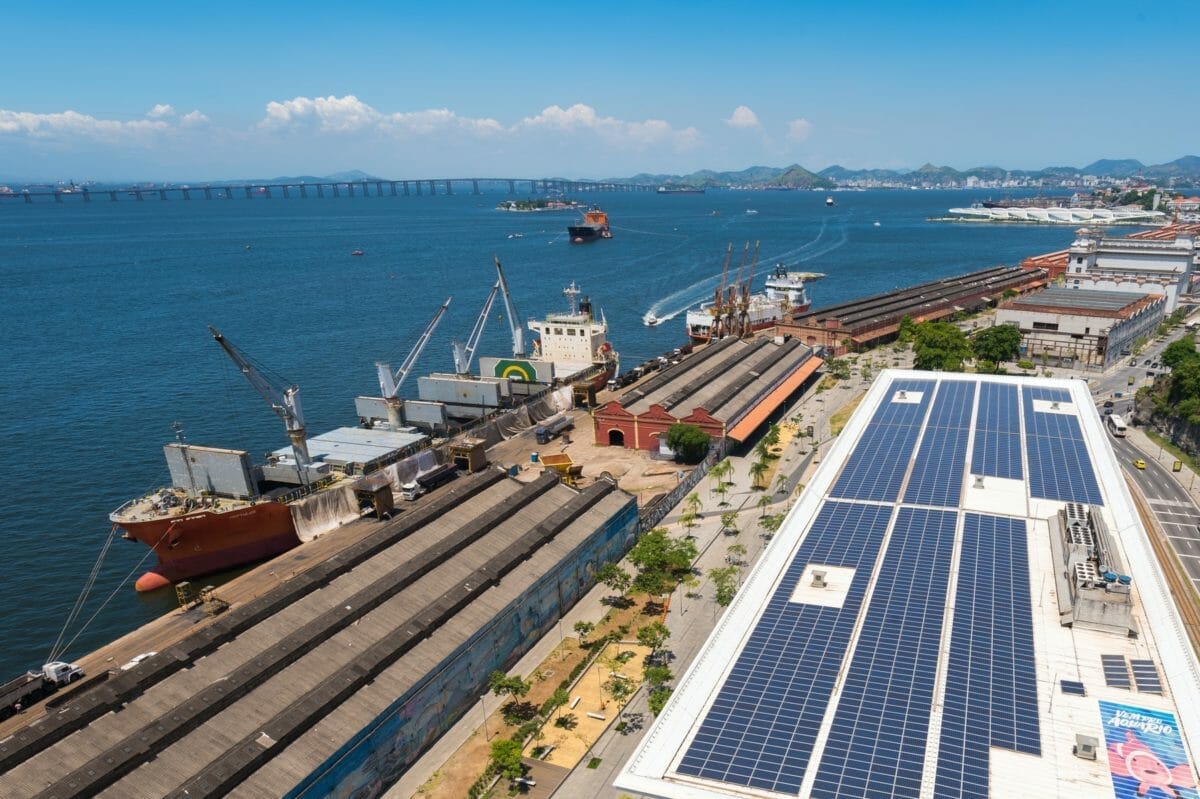
This special report aims to address the challenge of mobilising investment and finance to support clean energy transitions in the emerging and developing world. This is based on detailed analysis of successful projects and initiatives, including almost 50 real-world case studies – across clean power, efficiency and electrification, as well as transitions for fuels and emissions-intensive sectors – in countries ranging from Brazil to Indonesia and from Senegal to Bangladesh.

The priorities focus on financing sectors that are market-ready, based on technologies at mature and early adoption stages, such as renewables and efficiency. They also examine options for financing transitions in fuels and emissions-intensive sectors where decisions taken over the next decade can lay the groundwork for the integration of new technologies – or could potentially lock in emissions for decades to come. We focus on actions that need to be taken between now and 2030 – a pivotal decade for economic recovery, for the realisation of the UN Sustainable Development Goals and for climate action.

Click here to read the full report

Click here for executive summary

Sponsored Content

Leave a Comment

America’s net zero opportunity

America’s net zero opportunity

Research from Princeton University plots a Blueprint for how the US can achieve net zero emissions in the next decade showing the key is overcoming execution challenges including the infrastructure deployment and the mobilisation of capital and labour.

Sort content by

Investors call for more transparency in climate disclosures

Investors including the French SWF wanting clarity around corporate carbon emissions call for mandatory disclosure.

Church of Sweden manages concentration risk

The SEK10 billion Church of Sweden fund invests all its assets through a sustainability lens. It’s had stellar performance driven largely by a chunk of the fund invested in the Generation Investment Management global equity fund, an investment that was diluted last year to manage concentration risk. Amanda White spoke to CIO, Anders Thorendal.

Sustainable and responsible investing: ABP’s policy for 2020-2025

ABP wants to offer all participants a good pension both now and in the future. A pension they can enjoy in a livable world. That’s why we pay attention to returns, risk, costs and sustainability performance with every investment decision we make.

How does ABP deal with the energy transition

In this position paper we give ABP’s view on the energy transition and show how this is reflected in our investments. This paper focuses on our investments in primary energy producers* and energy suppliers in the utilities sector.

ABP’s Sustainable and Responsible Investment Policy (2020-2025)

ABP wants to offer all our participants a good pension now and in the future – one they can enjoy in a livable world. That is why we carefully consider the return, risk, and cost, as well as the social responsibility and sustainability performance of each investment decision we make.

China: Charting the course to carbon neutrality by 2060

China’s unexpected pledge last September to become carbon neutral by 2060 has left many observers both excited and perplexed.

Previous




