OECD environment working paper #164

This paper evaluates green stimulus packages that were introduced in response to the global financial crisis (GFC) of 2007-08 and draws lessons relevant for greening the recovery from the Coronavirus (COVID-19) crisis. The paper underscores the importance of building in policy evaluation mechanisms into green stimulus measures. It also provides evidence that the implementation of sufficiently large, timely and properly designed green stimulus measures can generate economic growth, create jobs and bring about environmental benefits. However, there are also trade-offs between competing economic, environmental and social policy objectives, which underscores the importance of proper policy design.

The paper also highlights key differences between the GFC and the COVID-19 crises and how these differences might influence the green stimulus in the present context. The public health priority to prevent the COVID-19 crisis from worsening is to severely restrict many economic activities that could escalate virus transmission. In this context, green measures could initially have a “do no harm” orientation by maintaining vigilance against environmental rollbacks and ensuring that any  measures taken to address the crisis do not inadvertently exacerbate environmental impacts. Green stimulus would become more relevant as the recovery begins, but these measures would need to be adapted to current social priorities such as the environment-health nexus, concerns about a “just transition”, as well reflect shifts in social preferences. COVID-19 is also unfolding in a policy context that is very different from 2007-08. Costs of renewable energy have witnessed dramatic
declines, while new environmental issues like resource efficiency and the transition to a circular economy have risen on the policy agenda. These developments offer new impetus and opportunities for greening the recovery in the wake of the COVID-19 crisis.

Click here to read the full paper 
Sponsored Content

Leave a Comment

China ESG risk: the next unknown

China ESG risk: the next unknown

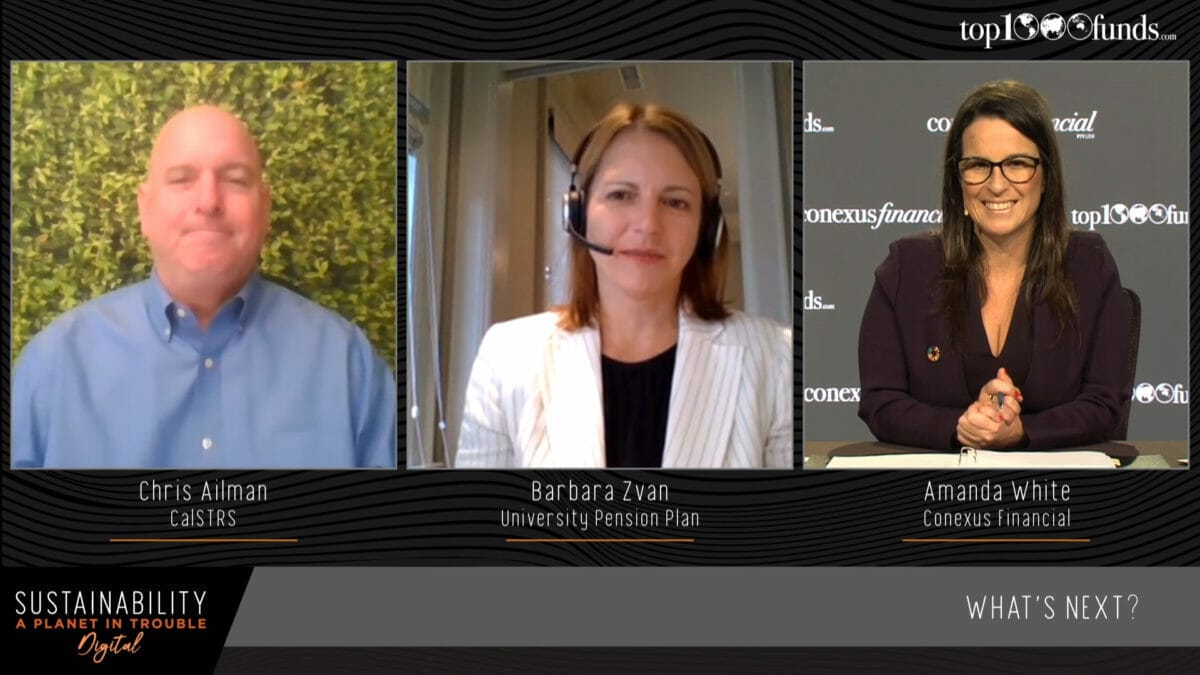
One of the most important, upcoming challenges at CalSTRS is how the fund should evaluate Chinese investments from a human capital and environmental standpoint, says Chris Ailman, chief investment officer at the giant pension fund.

Sort content by

What covid-19 means for climate change

In this quarter's infographic Schroder's focus on what Covid-19 means for climate change and the impact of the pandemic on the food industry.

Harvard endowment goes net zero by 2050

The Harvard endowment is about half way through its transition to external investment management and will work with its service providers to implement the university’s new directive, to position the portfolio in line with net-zero greenhouse gas emissions by 2050.

COVID-19 fiscal recovery packages

The COVID-19 crisis is likely to have dramatic consequences for progress on climate change. Imminent fiscal recovery packages could entrench or partly displace the current fossil-fuel-intensive economic system.

Strategic asset allocation

Asset allocation plays such a fundamental role to determining long-term returns that ignoring these sustainability issues – where the impacts affect economies, businesses and society over decades – just does not make sense.

Investor collaboration on sustainability

How can investors be a catalyst for change and have an active voice in a sustainable recovery? This episode explores the role of investors and how they can collaborate for effective collective action. It includes the work of one of the leaders in sustainable investing and the biggest pension fund in Europe, APG. It invites investors to have an active voice in a sustainable recovery.

Enormity of climate crisis misunderstood

There is a lack of understanding in investment decision-making about how big the climate crisis is which could lead to investments and risks being mis-directed, according to Professor Cameron Hepburn, Professor of Environmental Economics at Oxford University.

Previous




