
Secular Supply and Demand

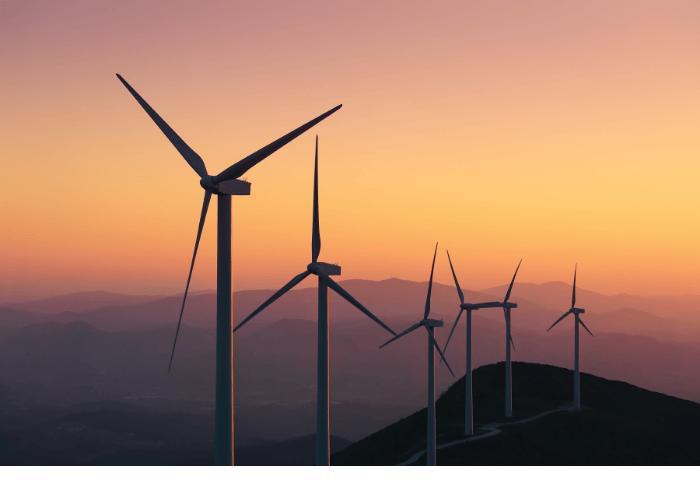
Over the past two decades, China’s secular rise dominated commodity markets, as its industrialization required a massive amount of raw materials to build up the country. As we consider the future, we see many reasons to be bullish on commodities tactically, but one of the most important secular factors will likely support industrial commodity demand for years to come: the shift in global economies away from fossil fuels and toward greener energy. To enable this transition, the rising share of electric power (EVs) in the world car fleet and the rising share of renewable energy in the generation of electric power, along with their requisite infrastructure, all require significant raw materials. These secular forces will support the demand for metals at the same time that future supply growth is restrained due to producers’ low investment in new capacity in recent years. Too much demand relative to supply will require higher prices until demand growth is constrained and/or new sources of supply are brought online. Given the substantial lag between a producer investing and bringing new capacity online, such commodity imbalances typically unfold over many years until they get resolved.

Click here to read the full paper.

Sponsored Content

Leave a Comment

Climate the No.1 priority for 2021

Climate the No.1 priority for 2021

Climate is by far the number one sustainability priority for investors in 2021 according to a poll of asset owners from more than 32 countries which came together for the Top1000funds.com online Sustainability event in March.

Sort content by

The path to net zero

This session looks at the actions of both asset owners and asset managers in reaching net-zero 2050 goals including the short-term plans needed to get there.

What’s next for investor action?

This session looks at two case studies activist stewardship (with Exxon) and whether investors are funding treason (the case of the US congress riots).

Engagement: labour rights and covid-19

This session looks at how investors can influence investee companies to change their focus and put people before profits to create a more sustainable economy.

The global labour market is broken

This session examines why there needs to be a new social contract between workers, government and business and what will happen if there isn’t.

Impact in public markets

Karen Karniol-Tambour, discusses frameworks for assessing the sustainability and impact characteristics of public assets including equities, fixed income assets and commodities which investors can apply to their own portfolios.

Gender lens investing

This session looks at the gender gap and the tools and processes available to improve the gender lens for investors both organisationally and for the companies they invest in.

Previous