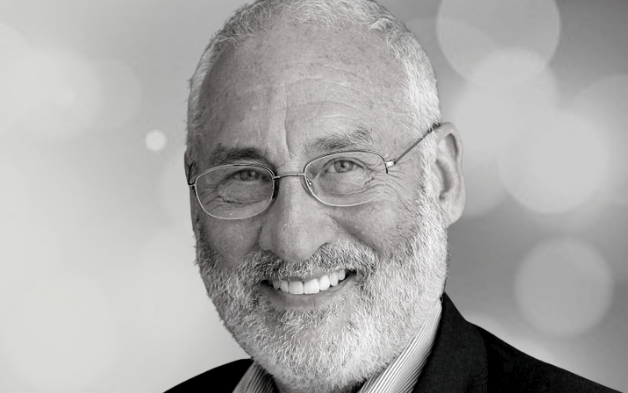
This session looked at the biggest risks that asset owners are facing in this environment over the next 2-3 years as a result of the major shifts to near-zero interest rates, coordinated monetary and fiscal policy (MP3), and heightened internal and external conflict. It examined how the move to MP3 has significant implications for how investors manage risk and construct portfolios going forward. In an MP3 world, direct government spending rather than mostly efficient markets will be a much larger influence on the investment assumptions we take for granted, the drivers of growth and inflation, the flow of liquidity and how it impacts the cash flows of each asset, the pricing of the assets, their discount rate and the currency they’re denominated in.
Click here to view Bob’s presentation slides[vc_quotes layout=”accordion” quotes=”%5B%7B%22name%22%3A%22Bob%20Prince%20%22%2C%22job_role%22%3A%22Co-CIO%2C%20Bridgewater%20(United%20States)%22%2C%22content%22%3A%22Bob%20Prince%20is%20co-chief%20investment%20officer%20for%20Bridgewater%20Associates%2C%20responsible%20for%20managing%20the%20company%E2%80%99s%20investment%20process%20with%20Ray%20Dalio%20and%20Greg%20Jensen.%20During%20his%20tenure%20at%20Bridgewater%2C%20he%20has%20been%20a%20partner%20in%20developing%20all%20aspects%20of%20Bridgewater%E2%80%99s%20investment%20process%20and%20client%20strategies.%20Prince%20got%20to%20know%20Dalio%20and%20Bridgewater%20in%20the%20early%201980s%20when%20he%20headed%20the%20Treasury%20Department%20of%20First%20National%20Bank%20of%20Tulsa%2C%20in%20Tulsa%2C%20Oklahoma.%20Before%20joining%20Bridgewater%2C%20for%20three%20years%20Prince%20used%20Bridgewater%20as%20his%20off-campus%20research%20staff%20in%20managing%20the%20bank%E2%80%99s%20funding%2C%20asset%2Fliability%20management%2C%20and%20investment%20portfolio.%20He%20holds%20a%20Bachelor%20of%20Science%20degree%20in%20Finance%20and%20Accounting%20and%20an%20MBA%20from%20the%20University%20of%20Tulsa.%22%2C%22image%22%3A%2244352%22%2C%22linkedin%22%3A%22%22%7D%5D” title=”Speakers” el_class=””][vc_quotes layout=”accordion” quotes=”%5B%7B%22name%22%3A%22Colin%20Tate%20%22%2C%22job_role%22%3A%22Chief%20executive%2C%20Conexus%20Financial%20(Australia)%22%2C%22content%22%3A%22Tate%20has%20been%20an%20investment%20industry%20media%20publisher%20and%20conference%20producer%20since%201996.%20In%20his%20media%20career%2C%20Tate%20has%20launched%20and%20overseen%20dozens%20of%20print%20and%20electronic%20publications.%20He%20is%20the%20chief%20executive%20and%20major%20shareholder%20of%20Conexus%20Financial%2C%20which%20was%20formed%20in%202005%2C%20and%20is%20headquartered%20in%20Sydney%2C%20Australia.%20The%20company%20stages%20more%20than%2020%20conferences%20and%20events%20each%20year%20%E2%80%93%20in%20London%2C%20New%20York%2C%20San%20Francisco%2C%20Los%20Angeles%2C%20Amsterdam%2C%20Beijing%2C%20Sydney%20and%20Melbourne%20%E2%80%93%20and%20publishes%20five%20media%20brands%2C%20including%20the%20global%20website%20and%20strategy%20newsletter%20for%20global%20institutional%20investors%20conexust1f.flywheelstaging.com.%20One%20of%20the%20company%E2%80%99s%20signature%20events%20is%20the%20bi-annual%20Fiduciary%20Investors%20Symposium.%20Conexus%20Financial%E2%80%99s%20events%20aim%20to%20place%20the%20responsibilities%20of%20investors%20in%20wider%20societal%2C%20and%20political%20contexts%2C%20as%20well%20as%20promote%20the%20long-term%20stability%20of%20markets%20and%20sustainable%20retirement%20incomes.%20Tate%20served%20for%20seven%20years%20on%20the%20board%20of%20Australia%E2%80%99s%20most%20high%20profile%20homeless%20charity%2C%20The%20Wayside%20Chapel%3B%20and%20he%20has%20underwritten%20the%20welfare%20of%2060%2C000%20people%20in%2028%20villages%20throughout%20Uganda%20via%20The%20Hunger%20Project.%22%2C%22image%22%3A%2244341%22%2C%22linkedin%22%3A%22https%3A%2F%2Fwww.linkedin.com%2Fin%2Fcolin-tate-839a5a181%2F%3ForiginalSubdomain%3Dau%22%7D%5D” title=”Moderator” el_class=””][vc_empty_space height=”10px”]
Key takeaways
Bridgewater’s Bob Prince explains the perils of MP3 and suggests shaping strategies around cash-flow yield and connecting equity cash flows to stable sources of spending in the economy.
Today’s MP3 world where monetary and fiscal policy work hand-in-hand has resulted in important secular shifts.
Under MP1, interest rates were the driver, used to change levels of borrowing and lending to alter spending habits. Under MP2 QE became the main tool whereby governments printed money to drive up asset prices.
Under MP3 the Fed borrows and directs money into the economy wherever it wants, supplementing incomes and raising spending.
Now governments are trying to suppress interest rates so as not to offset the stimulation from the fiscal side. It means that the goal has become to hold interest rates stable so as not to conflict with the “person on the accelerator”.
This shift in linkages has big implications.
Asset holders are on the wrong side. Holders of cash have lost their purchasing power. Cash and bonds are no longer a saving vehicle.
Central banks now only playing a support role to governments, heavily involved in markets.
Investors need to think differently and get returns through cash flow yields. It is possible to create a tracking portfolio of stable sources of spending in the economy.
Stable cash flow streams still get price volatility, but it is possible to hedge this.
Through this lens public and private assets are on the same plane.
However, zero interest rates, deficits and printing money, doesn’t exist in Asia. It makes investment in Asia another source of diversification and investors should move between east and west.
The big difference between the vaccine rollouts and the scale of the stimulus measures across the world could result in a K-shaped global economic recovery, with much of the developed world booming but poorer countries continuing to struggle. However the
Panellists discuss the possible impact of corporate failures on European banks coming out of the pandemic, and note central banks juggling act around digital currencies; unable to halt their arrival but still having to marshall progress and ensure the technology doesn’t weaken financial stability. The session examined the structural trends in the financial sector that have been entire amplified or altered by the COVID crisis.
Bridgewater’s co-CIO Bob Prince explains the perils of MP3 and suggests investors need to think differently, shaping strategies around cash-flow yields - connecting equity cash flows to stable sources of spending in the economy.
Investors need to ensure they are accessing the new economy if they are to benefit from the growth story that drives emerging markets returns. Investors at the Fiduciary Investors Symposium talk about how they allocate to emerging markets.
One of the silver linings of the pandemic has been that location is not a restraint on investment when it comes to investing in venture capital with investors seeing venture opportunities springing up in all corners of the world.
The interruptions to work and the revolution of technological tools in 2020 have changed thee way investors assess funds managers. A discussion around due diligence in a lockdown environment finds that allocators have tended to stick with existing relationships through the pandemic making it difficult for managers approaching investors for the first time to form relationships and win mandates.
The sharp market falls triggered by the pandemic brought the longest recovery ever in modern finance to an abrupt end. But despite the turmoil unleashed by COVID, it has not wrung out the market excesses of the last 13-year cycle. It means another wave of corporate failures could appear on the horizon in a shorter timeframe than expected, and offer more opportunities for distressed debt investors, according to Victor Khosla founder of SVP Global.
Leave a Comment
You must be logged in to post a comment.
Login