

The COVID-19 crisis won’t have a lasting impact on climate change, but the response will – fiscal policymakers should thus aim to make the recovery green according to the IMF.
Read the IMF special note here

The COVID-19 crisis won’t have a lasting impact on climate change, but the response will – fiscal policymakers should thus aim to make the recovery green according to the IMF.
Read the IMF special note here
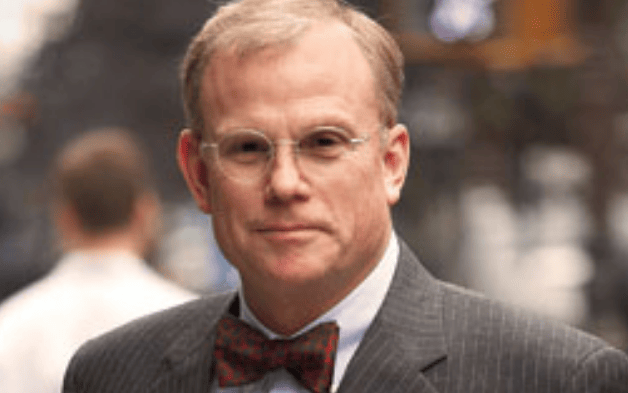
The Florida State Board of Administration has made some strategic moves to take advantage of opportunities in the dislocation, including in private equity, distressed debt and active listed equities.. But CIO, Ash Williams, is concerned about the underlying real economy.
Political regimes around the world are stuck in a series of dead-ends and despair. Most importantly, the China-US relationship has hit a brick wall as their fundamentally different values and interests clash. Deterrents and robust policy is the only way forward, says Stephen Kotkin, professor in history and international affairs, Princeton University.
Nobel prize winner Esther Duflo suggests institutional investors can help alleviate poverty by fostering new supply chains and looking beyond a country's credit rating. She said there is an "unacceptable" level of poverty amongst Africa Americans and Latinos who are keeping the US economy going but dying for it.
Global asset manager Robeco has found proactive stewardship triggers important changes in corporate behaviour. Chief executive Gilbert van Hassel urges FIS 2020 Digital delegates to do the same.
In a fireside chat, CIO of CalPERS Ben Meng talks about how the fund wants to use leverage to push deeper into private assets, while Ronald Wuijster, chief executive officer, APG Asset Management said the policy response has made taking advantage of buying opportunities difficult.
Investors should use stewardship to encourage purposeful companies that provide long-term value by meeting the needs of multiple stakeholders and helping improve society. But what is a purposeful company?
Understanding the two policy making camps in China - one which is concerned about debt and one which is worried about a slowdown in growth - is key to understanding China's position in the global economy, says professor of finance at Peking University, Michael Pettis.



Top1000funds.com is the market leading news and analysis site for the world’s largest institutional investors. It focuses on leading the global investment industry to continuous improvement through case studies of best practice in governance and decision making, portfolio construction and efficient portfolio management, fees and costs, and sustainable investing.
The publication pushes the industry to question whether status quo processes and behaviours to tackle risks and opportunities will be sufficient in the future, and actively campaigns for diversity, sustainability, transparency, innovation and better alignment of fees in the investment industry.
Top1000funds.com is read by investment professionals in more than 40 countries.




Leave a Comment
You must be logged in to post a comment.
Login