[vc_empty_space height=”10px”]
The extreme uncertainty of the global economy requires a new risk management framework. This session will examine the rapidly changing risks to the global economy and the need for new ways of behaving, making decisions and even reversing decisions.
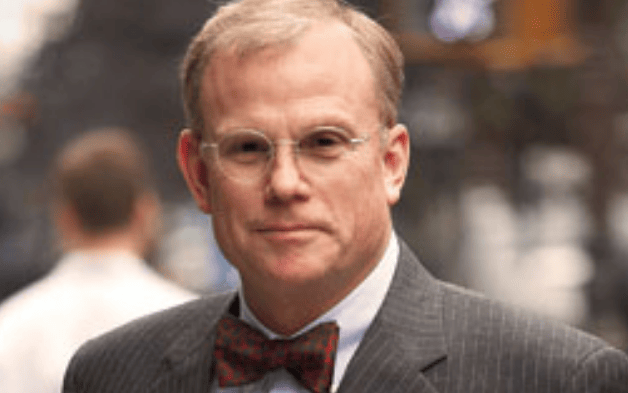
[vc_quotes layout=”accordion” quotes=”%5B%7B%22name%22%3A%22Lakshmi%20Shyam-Sunder%22%2C%22job_role%22%3A%22Vice%20president%20and%20chief%20risk%20officer%2C%20World%20Bank%20Group%20(United%20States)%22%2C%22content%22%3A%22Lakshmi%20Shyam-Sunder%20was%20appointed%20vice%20president%20and%20World%20Bank%20Group%20chief%20risk%20officer%20in%20February%202014.%20She%20was%20previously%20chief%20financial%20officer%20and%20director%2C%20finance%20and%20risk%20at%20the%20Multilateral%20Investment%20Guarantee%20Agency%20(MIGA)%2C%20the%20political%20risk%20insurance%20and%20credit%20enhancement%20arm%20of%20the%20World%20Bank%20Group.%20Shyam-Sunder%20was%20one%20of%20the%20key%20contributors%20to%20the%20MIGA%2FIBRD%20Exposure%20Exchange%20Agreement%20within%20the%20Bank%20Group%2C%20and%20was%20responsible%20for%20strengthening%20and%20enhancing%20the%20finance%2C%20risk%2C%20resource%20management%2C%20IT%2C%20and%20control%20functions%20in%20MIGA.%20Prior%20to%20joining%20MIGA%20in%20March%202011%2C%20she%20worked%20at%20the%20International%20Finance%20Corporation%20(IFC)%2C%20also%20part%20of%20the%20World%20Bank%20Group%2C%20where%20she%20held%20a%20variety%20of%20positions.%20As%20director%20for%20corporate%20risk%2C%20she%20led%20the%20development%20of%20a%20new%20client%20risk%20management%20advisory%20service%20function%20for%20IFC%20clients%20and%20the%20creation%20of%20the%20International%20Financial%20Institutions%20Risk%20Data%20Consortium.%20Before%20that%20Shyam-Sunder%20was%20director%20of%20IFC%E2%80%99s%20risk%20management%20and%20financial%20policy%20department%20where%20she%20developed%20IFC%E2%80%99s%20integrated%20economic%20capital%20and%20pricing%20framework%2C%20and%20had%20responsibility%20for%20all%20financial%20risks%20arising%20from%20the%20corporation%E2%80%99s%20loan%20and%20equity%20investments%20in%20emerging%20markets%2C%20and%20Treasury%20activities%20as%20well%20as%20managing%20rating-agency%20issues.%20She%20was%20also%20co-chair%20of%20IFC%E2%80%99s%20new%20products%20assessment%20group.%20Shyam-Sunder%20has%20consulted%20for%20a%20wide%20range%20of%20public%20and%20private%20sector%20institutions%20in%20the%20US%20and%20in%20emerging%20markets.%20She%20has%20also%20served%20on%20the%20board%2C%20and%20finance%20and%20risk%20committees%20of%20institutions%20in%20emerging%20markets.%20Before%20joining%20IFC%2C%20Shyam-Sunder%20was%20a%20faculty%20member%20at%20the%20MIT%20Sloan%20School%20of%20Management%20where%20she%20received%20an%20award%20for%20Excellence%20in%20Teaching.%20Shyam-Sunder%20was%20also%20on%20the%20faculty%20of%20The%20Tuck%20School%20of%20Business%20Administration%20at%20Dartmouth%20College.%20She%20holds%20a%20Ph.D.%20in%20Finance%20from%20the%20MIT%20Sloan%20School%20of%20Management%20and%20an%20MBA%20from%20the%20Indian%20Institute%20of%20Management%2C%20Ahmedabad.%20%20Shyam-Sunder%20was%20born%20in%20Iraq%2C%20and%20grew%20up%20in%20India.%20She%20is%20married%20and%20has%20one%20daughter.%22%2C%22image%22%3A%2231887%22%2C%22linkedin%22%3A%22https%3A%2F%2Fwww.linkedin.com%2Fin%2Flakshmi-shyam-sunder-7b24a03%2F%22%7D%5D” title=”Speaker” el_class=””][vc_quotes layout=”accordion” quotes=”%5B%7B%22name%22%3A%22Amanda%20White%22%2C%22job_role%22%3A%22Director%20of%20institutional%20content%2C%20Conexus%20Financial%20(Australia)%22%2C%22content%22%3A%22Amanda%20White%20is%20responsible%20for%20the%20content%20across%20all%20Conexus%20Financial%E2%80%99s%20institutional%20media%20and%20events.%20In%20addition%20to%20being%20the%20editor%20of%20Top1000funds.com%2C%20she%20is%20responsible%20for%20directing%20the%20global%20bi-annual%20Fiduciary%20Investors%20Symposium%20which%20challenges%20global%20investors%20on%20investment%20best%20practice%20and%20aims%20to%20place%20the%20responsibilities%20of%20investors%20in%20wider%20societal%2C%20and%20political%20contexts.%20She%20holds%20a%20Bachelor%20of%20Economics%20and%20a%20Masters%20of%20Art%20in%20Journalism%20and%20has%20been%20an%20investment%20journalist%20for%20more%20than%2025%20years.%20She%20is%20currently%20a%20fellow%20in%20the%20Finance%20Leaders%20Fellowship%20at%20the%20Aspen%20Institute.%20The%20two-year%20program%20seeks%20to%20develop%20the%20next%20generation%20of%20responsible%2C%20community-spirited%20leaders%20in%20the%20global%20finance%20industry.%22%2C%22image%22%3A%2231872%22%2C%22linkedin%22%3A%22https%3A%2F%2Fwww.linkedin.com%2Fin%2Famanda-white-101a7515%2F%3ForiginalSubdomain%3Dau%22%7D%5D” title=”Moderator” el_class=””][vc_empty_space height=”10px”]
Key takeaways
We need to think far more broadly beyond simply financial risk, our view of risk must not be one dimensional. The crisis helps us learn and get better at modelling interconnected risks. Bigger, broader risks are interconnected and require increased collaboration to mitigate. Even if we are sitting on the fence and maintaining investment positions, risk has gone up.
The pandemic has turned our lives not inside out, but ‘outside in’. Rather than shut down, we should ask ourselves ‘what can we do to help the situation?’
We are in the deepest recession since World War 2, and it is completely synchronised across the world. If a vaccine is not available, the World Bank forecasts the global economy will shrink by 8 per cent.
The pandemic has set The World Bank back in its aim to help alleviate poverty – 170 million people will remain in poverty due to the pandemic with an income of below $2 per day.
The challenging environment is exacerbated by intergenerational and geopolitical tensions. Key question is how to exit from the pandemic stimulus measures.
Green bonds for example are a heartening development from the financial community.
Institutional investors are considering more non-financial risks and are engaging more deeply with investee companies. If we do this right it will mitigate, not exacerbate the issue.
[vc_empty_space height=”10px”]
Poll results
Have you changed your attitude to risk taking because of the recent onset of unforeseeable risks including this current health pandemic?[vc_line_chart x_values=”” values=”%5B%7B%22title%22%3A%22Yes%2C%20we%20have%20taken%20risk%20off%20the%20table%20in%20our%20portfolio%20allocations%20(21%25)%22%2C%22y_values%22%3A%2221%22%2C%22color%22%3A%22pink%22%7D%2C%7B%22title%22%3A%22No%2C%20about%20the%20same%20(58%25)%22%2C%22y_values%22%3A%2258%22%2C%22color%22%3A%22sandy-brown%22%7D%2C%7B%22title%22%3A%22Yes%2C%20we%20are%20taking%20more%20risk%20as%20we%20see%20opportunities%20in%20the%20disruption%20(21%25)%22%2C%22y_values%22%3A%2221%22%2C%22color%22%3A%22sky%22%2C%22custom_color%22%3A%22%23ff9900%22%7D%5D” css=”.vc_custom_1593673826068{border-radius: 2px !important;}”]
The Florida State Board of Administration has made some strategic moves to take advantage of opportunities in the dislocation, including in private equity, distressed debt and active listed equities.. But CIO, Ash Williams, is concerned about the underlying real economy.
This research studies the interaction between economic decisions and epidemics. The model implies that people’s decision to cut back on consumption and work reduces the severity of the epidemic, as measured by total deaths. These decisions exacerbate the size of the recession caused by the epidemic.
The global economic shutdown triggered by COVID-19 has put the North American private debt industry to its first major test. What lessons can be learned from the global financial crisis that are relevant today? What lessons are emerging as a result of COVID-19? And how might the industry evolve?
The global economy is projected to contract sharply by –3 per cent in 2020, much worse than during the 2008–09 financial crisis. In a baseline scenario--which assumes that the pandemic fades in the second half of 2020 and containment efforts can be gradually unwound—the global economy is projected to grow by 5.8 percent in 2021 as economic activity normalises, helped by policy support. The risks for even more severe outcomes, however, are substantial.
The PRI is working with signatories to further develop thinking on what the COVID-19 crisis means for investors. It is establishing two signatory participation groups to coordinate and develop investor responses, focusing on short term responses, and a future economic recovery phase.
This OECD note provides illustrative estimates of the initial direct impact of shutdowns, based on an analysis of sectoral output and consumption patterns across countries and an assumption of common effects within each sector and spending category in all countries.
Leave a Comment
You must be logged in to post a comment.
Login