
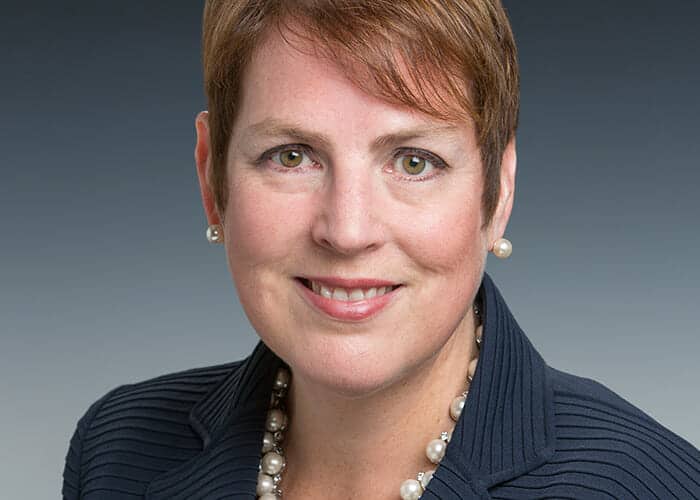

Angela Rodell, CEO of the Alaska SWF, looks into a post-COVID future and what investors, such as APFC, with an investment horizon of five years or longer, should be considering.
Alaska is fortunate. Forty-three years ago, leaders had the foresight to create the Alaska Permanent Fund, thus establishing a permanent, renewable resource to benefit current and future generations of Alaskans. Over time the fund has grown into a multi-billion dollar investment portfolio, providing more than $30 billion to the Alaska economy through payment of dividends and funding for state government. Given Alaska’s current reliance on this financial resource, the Alaska Permanent Fund Corporation (APFC) has reached a point in history where the fund and our long-term strategy for investing matter more than ever before.
The economic crisis generated by the novel coronavirus is sweeping the world, and many governments are scrambling for the means to take care of our constituents. It would be easy to get caught in a short-term mindset: How do we help? Should we use some of the Permanent Fund for grants or loans to businesses? Should we be generating a lot of cash right now in anticipation of it being needed for the state? Will we have enough “dry powder” to invest as valuations of good companies hit lows and opportunities become available?
It is imperative never to underestimate the impediment of short-term thinking on investing.
Here is what we do know. The short-term crisis generated by the coronavirus will come to an end, and the world will be different and yet familiar. The economic crisis will potentially last significantly longer as businesses recalibrate based on a new reality.
For APFC’s investment horizon of five years or longer, what factors should we be considering?
First, working from home by millions of people will fundamentally alter how we value labour and its contribution to earnings and returns.
We have learned how to exchange and collaborate on ideas without being in the same physical space. Investing in technology, labour, and commercial real estate may require a lens that reflects the concept that not as many people need an office, as was assumed prior to the shutdown. Also, we have learned that we value what is contributed to a company’s bottom line—not how it is contributed. We have had a service-based economy for years but still required professionals to be structured under manufacture-type paradigms. Today, we work and communicate differently.
Secondly, millions of children educated by online resources should alter how we think about education. Does an August to May school year continue to make sense, and can we have a real conversation about how educators should be remunerated under very different education models? The obligation to home school millions of children has awakened in us the real value of our educators, the needs of our students, and the demands on millions of working parents. As a long-term investor, the opportunity again lies with technology and added infrastructure. Future opportunities will lie in delivering internet and broadband service to support student education throughout the world.
Thirdly, consider the delivery of public services. Government has yet to be a sector disrupted by technology. Now the opportunity to truly reform government institutions and think about how the public is supported is before us. Public service is about serving our communities, and the ties that make us unique will continue to matter. The ability to stay in place and not move for a job will create incredible economic stability and community stability. This crisis has allowed many of us at APFC to understand it’s not about where we are located, nor is it about the specific time of day we work. Rather it is about having the relationships, technology, and resources to continue to invest the fund and serve the people of Alaska.
Long-term investing success is about having a view of where you think the world may be headed.
I see a world where we once again treasure our communities, large and small, and we have an opportunity to flourish with new technologies alongside traditional values. It is in the profound experience of immense challenges that we realise it’s more about valuing all contributions, large and small.
Rather than being a crisis of isolation, our cumulative contributions and long-term thinking will lead to the creation of a new and vibrant economy – bringing us together in ways previously unimaginable.
Angela Rodell is the chief executive of the Alaska Permanent Fund Corporation. This essay first appeared in the Milken Institute’s Power of Ideas collection focused on building and rebuilding lives in the face of the #COVID19 pandemic. The essay series features insights from thought leaders across industries.








Leave a Comment
You must be logged in to post a comment.
Login