
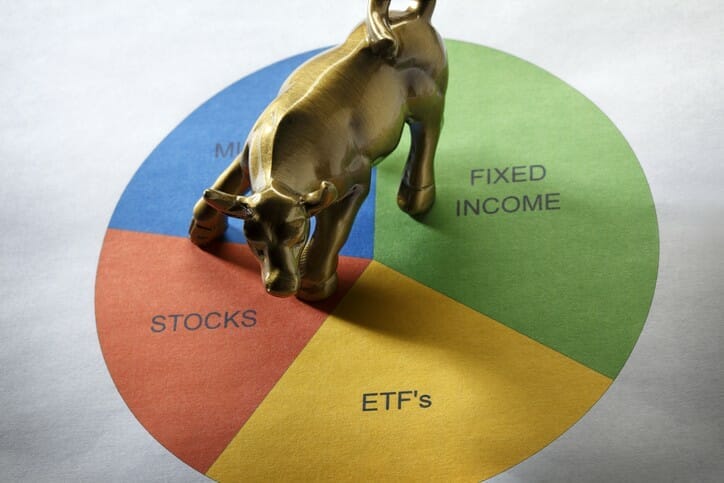

Rather than a strategic asset allocation (SAA), investors should have a sustainable asset allocation suggested an expert panel speaking at PRI in Person in Paris, tasked with assessing how investors should use the SAA process to adjust their portfolios to plug the SDGs and climate finance gap.
“SAA is the place to start” when assessing how to increase flows to climate solutions, said Craig Mackenzie, head of SAA at Aberdeen Standard Investments. The long-term process can see an investor shift 30 per cent of their portfolio over a five-year period, and involves designing mandates and specifying different benchmarks, he explained. He also noted that SAA is a “fiduciary process,” thereby allowing investors to allocate more to climate issues in a “fiduciary friendly way.”
Energy investment is one asset class particularly aligned to long-term SAA planning. Michael Waldron, senior energy investment analyst at International Energy Agency, outlined the financing gap and opportunities. Energy investment has stabilised, but he noted slight increases last year to investments in coal and oil and gas on previous years. Nor has there been much investment in energy efficiency.
“Energy efficiency spending has been stagnant,” he said.
Although more investment is going into renewables, he said there is a gap between supply and demand and that renewable investment “needed to double” over the next decade.
He noted that the bulk of investment in energy goes to developed countries.
“To meet the SDGs we need more investment in less developed markets,” he said. Investment in renewables and energy efficiency is led by private investment but investment in oil and gas is dominated by SOEs. He also flagged that in line with the PRI’s Inevitable Policy Response (IPR) analysis, governments will “play more of a role” in motivating investment.
“In the power sector 95 per cent of investment is influenced by government policy,” he quoted. Energy investment in emerging markets has a higher investment risk and a higher cost of capital. Meanwhile in mature markets, Waldron flagged that renewables will become more exposed to market pricing.
Helga Birgden, global business leader, responsible investment at Mercer questioned if “SAA is fit for purpose given the urgency of climate change.” Allocating to climate change is a “top down process” that involves looking at different scenarios, and better understanding risks that impact portfolio construction, she said. This could include transition risk, physical impacts and resource availability. This, in turn, will help build understanding around uncompensated risk, she said.
Mercer’s work includes stress testing and looking at re-pricing impacts on an investor’s SAA. Climate modelling and taking a live portfolio to see its response to scenarios, helps measure climate-related impact on returns. This could also involve tilting the portfolio to more sustainable assets – and assuming new risks. “It brings into question the extent to which SAA is able to adequately frame these processes,” she said.
Madhu Gayer, head of investment analytics and sustainability, APAC at BNP told delegates that a SAA is not set for the next quarter, but the next 10 years, holding a long-term view of where markets are going. This means that SAA now holds systematic risk given the impact of climate change, and the need for a just transition in emerging markets. He also noted the importance of choosing the right benchmarks for passive investors.
“Passive investment is driving change,” he said. “The choice of benchmark is critical.” He added: “Who doesn’t want a sustainable portfolio. You can see the convergence happening.”
Helena Charrier, head of responsible investment at CDC also observed the critical role of SAA in targeting the gap in climate funding. Citing recent research among France’s investment community, she said 70 per cent of responses indicated that organisations are beginning to explore ways to integrate climate into their SAA. Factors driving that change included reputational concerns and changing stakeholder expectations. Respondents also said it was a good way to understanding risk in their portfolios.
She added that most respondents agreed ESG integration should begin at a SAA level rather than tactical allocation. Regarding asset classes, respondents prioritise equities because of the availability of data in listed assets, said Charrier. But respondents said real assets were equally important, particularly due to their significance in terms of impact. Obstacles to progress include a lack of data informing integration of climate into SAA. A minority of participants cited materiality as an obstacle, she said.








Leave a Comment
You must be logged in to post a comment.
Login