Sustainability among key industry’s tagged for China’s growth

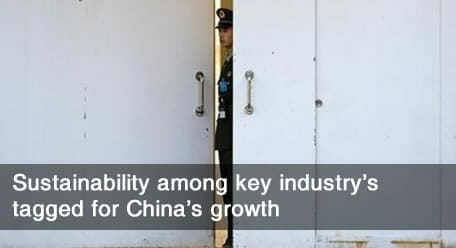
It’s not very salubrious but it’s secure. The four-star Jingxi Hotel in Beijing (pictured), which is owned by the People’s Liberation Army, hosted the annual plenum of the Communist Party’s Central Committee to draft the country’s next five-year plan.

The 12th five-year plan, nutted out by about 300 committee members, will be put to the National People’s Congress in March for ratification. The key themes in the latest plan are sustainability and reducing inequalities between provinces.

Analysts are predicting a lower GDP-growth target to be discussed between now and March, with details of the plan coinciding with a surprise 25bps point rise in the official interest rate last week – the first in China for three years.

A research note from HSBC Global Banking and Markets says more growth is likely to have to come from private consumption which has dropped from 50 per cent of total GDP to an estimated 36 per cent in the past 20 years.

“Expect further efforts to boost household incomes, primarily through higher minimum wages, as well as lower personal taxes,” the bank says.

Notwithstanding the stated concern for poorer provinces, the latest plan intends to speed the demographic shift to the cities, which will further boost consumption.

Sponsored Content

After the meeting, the Government confirmed a list of emerging strategic industries to be at the forefront of a “higher quality” of economic growth. They are: energy-saving and environmental protection firms, next generation IT, biotech, high-end manufacturing, new energy, new materials and composites, and clean-energy cars.

According to Shanghai Securities News, the group of industries currently make up only 3 per cent of GDP but are expected to contribute at least 15 per cent by 2020.


Leave a Comment

Sort content by

Who pays for climate fund still up in the air

The formal approval of the Green Climate Fund (GCF) was a critical outcome of the UN climate change conference in Durban, according to Deutsche Bank Climate Change Advisors, but the lack of funding for the GCF remains a concern.mrec4inarticleinline Sponsored Content scnative1 scnative2 scnative3

Investment risks rank highest for CalPERS

Investment controls and systems remain the highest risk at CalPERS according to its year-end enterprise risk dashboard.

Macro risks remain dominant: Cambridge

Macro-economic risks remain the biggest investment concern this year, while certain distressed assets will present the best opportunities, according to managing director of Cambridge Associates, Sandra Urie. “The dislocation in European markets has already created investment opportunities across different credit markets, and we believe these may expand as the pace of European bank deleveraging accelerates,”

2011 global and industry highlights

Republican congress woman Gabrielle Giffords was among 17 shot in an assassination attempt, six killed. The Dow Jones Industrial Average broke through 12,000, the first time the index was above this mark since 2008. The index had its best January performance since 1997. Investors’ appetite for corporate bonds continued unabated with banks and companies borrowing

The year that was, a CIO’s perspective

The downgrade of the US took the entire industry by surprise, in a year that confirmed the complexity and unpredictability of markets, CalSTRS chief investment officer, Christopher Ailman, says.mrec4inarticleinline Sponsored Content scnative1 scnative2 scnative3

Hermes downbeat on 2012 outlook

There isn’t a lot of Christmas cheer when it comes to economic forecasts at Hermes, with the fund manager’s chief economist Neil Williams predicting the current gloom besetting the world economy will not lift in 2012, and may even get worse.mrec4inarticleinline Sponsored Content scnative1 scnative2 scnative3

Previous



