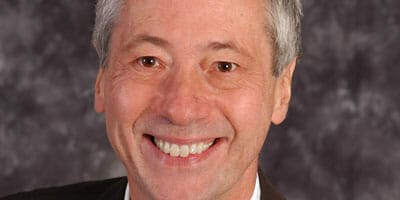

State Street’s Probyn into 2013

The current equity rally is not predicated on a shift in economic performance, according to chief economist at State Street, Chris Probyn, who says it would be reasonable to say the market may “pause for thought”.

Probyn says the move from fixed income to equities has been fostered by some of the “economic areas for concern” being eliminated.

These include the avoidance of a hard landing in China, and a disorderly breakup of the euro, proactive policy responses in Japan and the avoidance of the US fiscal cliff.

“These have all been ticked off,” he says. “But still growth is not great. The fourth quarter earnings reports have been good, with the notable exception of Apple, so there is some fundamental support for equities. But there is no fundamental upshift, so the size and speed of the rally is a little surprising.”

Probyn’s outlook for 2013 is for 0.25 per cent global growth, driven by a 0.5 per cent growth in emerging markets.

His economic outlook for developed markets is zero growth, which he partly attributes to fiscal policy decisions.

Sponsored Content

“We have reinvented economics, when the economy is weak we stop government spending, it is a failure of policy and we are repeating the mistakes of the 1920s,” he says.

Probyn also attributes the equity rally to a certain psychological behaviour.

“People have worry fatigue, they are tired of worrying about the same things,” he says.

State Street doesn’t have a big economics department, three people in fact. One emerging markets specialist plus two who look at the G8, defined as the G7 plus Australia (because of State Street’s presence in that country).

Probyn believes that in order to understand certain asset classes there needs to be an understanding of the global economic story, such as the relationship between resources and China.

He admits that for most economists it is difficult to predict exact growth numbers, but it’s more important to get “the overall story right”. Last year that overall story was further growth moderation, and that is the outlook for 2013 as well.


Leave a Comment

Sort content by

CalPERS flooded with consultant RFPs after changes to wish-list

CalPERS has received 17 applications in response to its RFP for a general pension consultant services spring-fed pool – four times the applications of its last review – and will select consultants during its April 20 investment committee meeting. mrec4inarticleinline Sponsored Content scnative1 scnative2 scnative3

Endowment model endures despite alternatives pain: Cambridge

As Harvard Management Company (HMC) begins shedding 25 per cent of its workforce after incurring a 22 per cent loss since the beginning of the financial year, its investment consult, US firm Cambridge Associates, says the “endowment model” is not impaired. mrec4inarticleinline Sponsored Content scnative1 scnative2 scnative3

ABP to submit recovery plan as coverage ratio falls 50%

ABP, the world’s third largest pension fund, faces serious underfunding as a result of the financial crisis and will have to submit a recovery plan to De Nederlandsche Bank by March 31. mrec4inarticleinline Sponsored Content scnative1 scnative2 scnative3

Australian Future Fund takes piece of private equity giant

The A$60 billion Australian Future Fund has joined other global investors, taking a stake in one of the world’s largest private equity firms. mrec4inarticleinline Sponsored Content scnative1 scnative2 scnative3

GFC fallout hits funds as AP2 reports losses

Andra AP-fonden, Sweden’s Second Swedish National Pension Fund (AP2) has taken a big hit from the turmoil in global markets, its capital value falling by SEK55.1 billion ($US6.6 billion) in 2008. mrec4inarticleinline Sponsored Content scnative1 scnative2 scnative3

Qatar Investment Authority chief warns banks to open up

The Qatar Investment Authority (QIA) is looking closely at taking stakes in banks across the US, Europe and Asia but its chief executive, prime minister, Sheik Hamad Al-Thani, warns banks to be open if they want to have meaningful relationships with sovereign wealth funds. mrec4inarticleinline Sponsored Content scnative1 scnative2 scnative3

Previous




