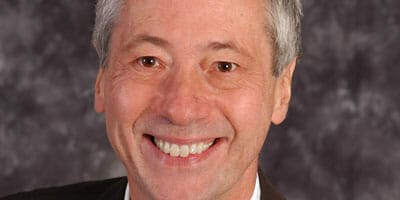

State Street’s Probyn into 2013

The current equity rally is not predicated on a shift in economic performance, according to chief economist at State Street, Chris Probyn, who says it would be reasonable to say the market may “pause for thought”.

Probyn says the move from fixed income to equities has been fostered by some of the “economic areas for concern” being eliminated.

These include the avoidance of a hard landing in China, and a disorderly breakup of the euro, proactive policy responses in Japan and the avoidance of the US fiscal cliff.

“These have all been ticked off,” he says. “But still growth is not great. The fourth quarter earnings reports have been good, with the notable exception of Apple, so there is some fundamental support for equities. But there is no fundamental upshift, so the size and speed of the rally is a little surprising.”

Probyn’s outlook for 2013 is for 0.25 per cent global growth, driven by a 0.5 per cent growth in emerging markets.

His economic outlook for developed markets is zero growth, which he partly attributes to fiscal policy decisions.

Sponsored Content

“We have reinvented economics, when the economy is weak we stop government spending, it is a failure of policy and we are repeating the mistakes of the 1920s,” he says.

Probyn also attributes the equity rally to a certain psychological behaviour.

“People have worry fatigue, they are tired of worrying about the same things,” he says.

State Street doesn’t have a big economics department, three people in fact. One emerging markets specialist plus two who look at the G8, defined as the G7 plus Australia (because of State Street’s presence in that country).

Probyn believes that in order to understand certain asset classes there needs to be an understanding of the global economic story, such as the relationship between resources and China.

He admits that for most economists it is difficult to predict exact growth numbers, but it’s more important to get “the overall story right”. Last year that overall story was further growth moderation, and that is the outlook for 2013 as well.


Leave a Comment

Sort content by

Future Fund could manage others’ money

Managing money for default super is a possibility for Australia’s sovereign wealth fund. Its leadership also said becoming more ‘nimble’ and adding activity in venture and growth were priorities.

Carlyle MD says cycle isn’t done

Carlyle’s Jason Thomas says private-equity investors miss out when they try to call the top of the cycle. He thinks Trump’s impact has been overblown and that the current cycle isn’t done yet.

CalPERS says consultants could do better

CalPERS is happy with its consultants, except for their performance in recommending ways to control fees and costs and their presentation of new investment ideas, a board rating reveals.

Dutch pension funds embrace UN goals

PGGM and APG are well advanced in developing a process to identify potential sustainable development investment opportunities that could transform the UN’s targets into tangible returns.

5-yearly power transfer looms in China

As China readies for its five-yearly leadership reshuffle, global investors are watching to see how they’re poised to manage the world’s second-largest economy as it faces up to its debt dilemma.

Satyajit Das: access real income

Author Satyajit Das, who warned about derivatives before the GFC, says debt levels have turned the whole world into a carry trade and managers need to get close to real income streams.

Previous




