
ESG rethink can add 40 basis points per month: Hermes

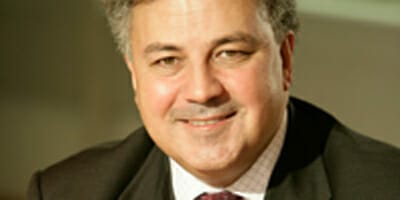
Rigorous Environmental, Social and Governance (ESG) management can deliver an extra 40 basis points per month according to Saker Nusseibeh, CEO and head of investment at Hermes Fund Managers.

“Where it [ESG] really matters for performance is in consistently avoiding bad governance. You can add 40 basis points per month… Per month!” Nusseibeh told a crowd of Australia’s top 50 superannuation funds and asset consultants at the Conexus Financial Australian Fiduciary Investors Symposium last week.

Nusseibeh talked about the importance of weighing up a company’s sustainability when considering whether to hold it in portfolios. Governance issues, he said, should be a mandatory part of the process, while environmental and social issues also weigh heavily despite being harder to measure.

“Think in terms of its ability to consistently offer stable returns for over 20 years, because that’s the investment time frames of your members. That’s how long they can be invested for, not one, two, or three years,” he said.

“Look at Lloyds of London. It successfully insured against world events for over 200 years… Then it went belly up, not because they couldn’t calculate risk. They were pretty good at that, but they didn’t successfully calculate the environmental risk of asbestos.”

Nusseibeh also urged trustees and managers to think more broadly about the future implications for fund members in a world devoid of ESG; one of lower standards of living punctuated by greater wealth inequality; high inflation; and transport and fuel restrictions.

Sponsored Content

“ESG is a tool for enhancing returns… But one should also do what is right for the sake of doing what is right.”

David Rae, head of asset allocation for New Zealand Superfund (NZ Super), also told the crowd about how the fund had recently brought ESG management “out of the back office to the front office.”

It’s a move he says, that had some of their investment professionals “kicking and screaming” about drafting their own policies but effectively “switched on their brains” about ESG and the costs and implications of getting it wrong.

It’s an approach that’s resulted in direct changes in major listed and unlisted companies NZ Super invests in, including changing supply chain issues in 16 technology companies, a complete change of board at another, and broke up “empire building” governance in a large listed infrastructure company.

Rae says their ‘active engagement’ on ESG won’t stop there, but is looking to build power in numbers through working together with other New Zealand funds on governance issues in particular.

“We recently got people in a room and said, ‘let’s raise corporate governance issues, and lets act as a group on these… we realise that tough talk in a locker room can quickly disintegrate on the field, so it’s important to have one company that’s leading that charge,” said Rae.


Leave a Comment

Sort content by

Real economy the focus of bankers at Davos

A strong financial services sector is an integral part of solving the world’s “real challenges” of unemployment, poverty and global imbalances Josef Ackermann, chief executive of Deutsche Bank and chair of the financial services governor’s group at the World Economic Forum, says. Speaking at the 2102 annual meeting in Davos last week, Ackermann, says “we

Do you get what you pay for?

A pay-for-performance measure of chief investment officers in the US has revealed paying more for an executive does not translate to better performance. Developed by executive recruitment firm, Charles Skorina & Company, the index is calculated by assessing an institution’s investment returns over the past five years, and measuring it against the salary of the

How to tackle pay structures

The remuneration of pension fund investment executives is a sticking point in the industry. To compete with the open market, attract and retain a certain calibre of executive, and compensate them for the peculiarities of being a fiduciary, there is a certain minimum required. At the same time this has to be balanced with communication

Investors collaborate on governance guide

A practical guide to good governance for pension board trustees was one of the results of the Rotman ICPM Board Effectiveness Program which included participants from 21 funds from nine countries.

Can stability bonds save the eurozone?

A majority of investors believe “stability bonds” could provide a partial solution to the euro zone sovereign debt crisis, but are concerned that these bonds carry a high moral-hazard risk, a CFA institute poll reveals. The poll found 55 per cent of European investment professionals believe that the common issuance of stability bonds can help

Credit to be the 2012 honeypot: Mercer

Investments in credit will be a hive of activity this year as the role of banks in lending continues to fall and investors make decisions about the place of sovereign debt in their portfolios, according to Mercer. The consultant, which has outlined economic and financial challenges for investors in 2012, says the scarcity of credit,

Previous




