

Alpha and beta rely to a large extent on exposures to systematic risk factors, so goes the “2013 thinking” of ATP in reversing the decision to separate alpha and beta in its investment portfolio six years ago.
ATP has separate hedging and investment portfolios, with the hedging portfolio significantly larger at around DKK 670 billion ($122 billion) versus DKK10 billion ($1.82 billion), and the investment portfolio has been separated into alpha and beta. The separation was so distinct that the beta team was run from the head office, but ATP alpha was on another site, and was based on a small number of independent risk-taking teams.
The beta portfolio is split into five main risk classes or factors and the alpha portfolio will now be taken into this framework within beta.
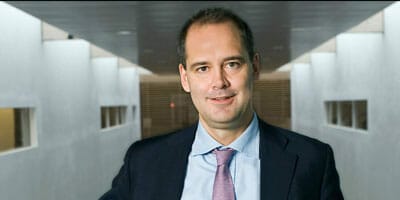
“In the main, we conclude that alpha and beta are a question of exposure to systematic risk factors. We therefore see alpha and beta together in the same portfolio. It’s a development of our thinking,” chief investment officer Henrik Jepsen says. “It’s more like smart-beta risk factors. We are internalising these deliberations and want a more coordinated framework.”
ATP alpha will now be restructured and, while it is still to be determined which strategies will be pursued and which risk factors the fund wants exposure to, it will lose half of its 35 staff.
Jepsen acknowledges that having a small number of independent risk-taking teams was both a strength and a challenge.
One of the challenges was that with a large number of small teams it is difficult to scale the size of the total risk in the alpha exposure. In this way it was difficult to scale the investment efforts, and there was also a risk of over-diversification.
“In addition, the difficulty of scaling the efforts meant it was an expensive operation to run. We think it is important to have a focus on cost because we are in a low expected-return environment,” he says. “And thirdly, and most importantly in the long term, we think we can achieve better portfolio coordination.”
“The alpha group has been a success, after all costs and taxes, but while alpha has been $310 million, the fund is $120 billion, so we want to scale even more. It’s a challenge.”
This presents a conundrum for many large pension funds that use scale for cost reduction and negotiation. This may mean that these funds can not manage such strategies internally and achieve those aims, in light of the fact that the success of some of these strategies depends on being small and nimble.
ATP will continue to use the multi-strategy investment platform it has developed in the alpha business, where it managed long-short equity, equity market neutral, global macro, foreign exchange and currency.








Leave a Comment
You must be logged in to post a comment.
Login