
PRI to be more ‘hands-on’ with signatories as it seeks identity refresh 

The UN-backed Principles for Responsible Investment (PRI) is in the process of an identity refresh as it looks to shift its primary function away from driving ESG accountability among investors (which it has been doing for the past two decades) to facilitating collaboration.  

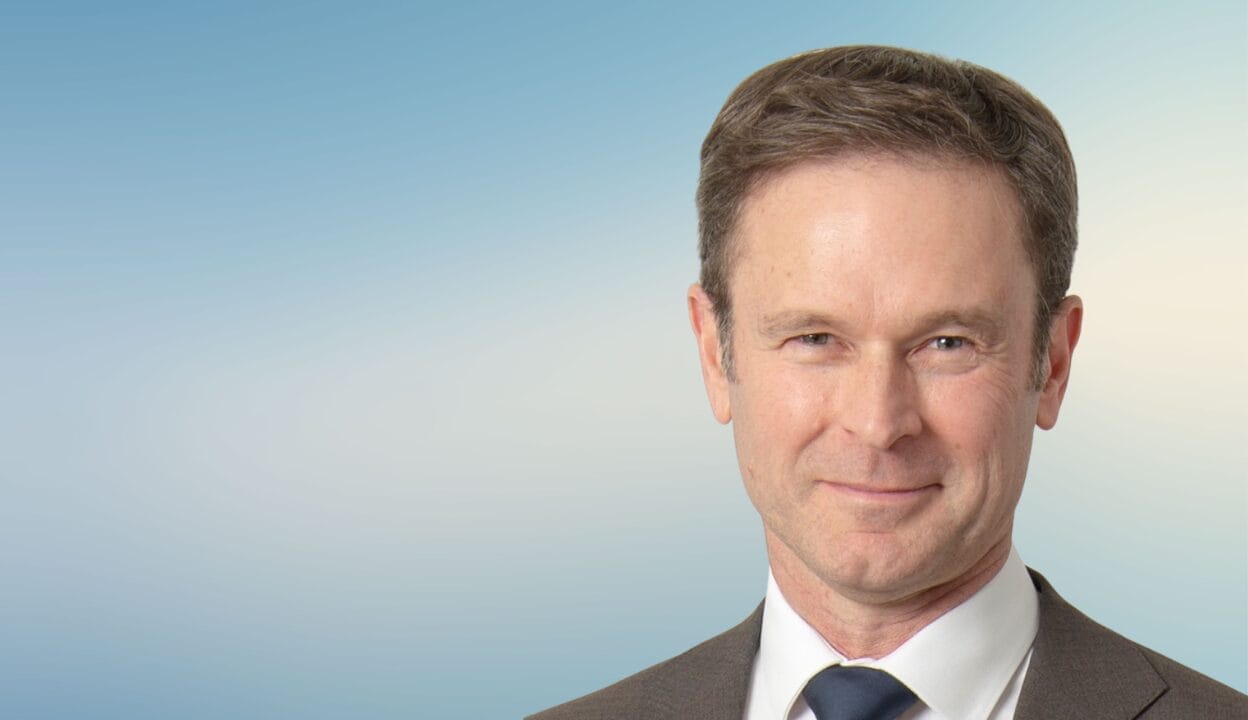
In an interview with Top1000funds.com, the organisation’s chief sustainable systems officer Nathan Fabian says the pivot is necessary “in a world where regulators of financial services are stepping in and where they have the actual substantial mandate on supervision”.  

The PRI’s signatories have all committed to a set of responsible investing standards, including practicing active ownership and encouraging appropriate ESG disclosures internally and in companies they invest in.  

Now a network of some 5,500 asset owners, investment managers and service providers, the PRI’s expansion is a good indicator that responsible investment is becoming increasingly mainstream. But Fabian says this development has also caused a lot of divergence in ESG approaches from investors. 

“If you put all of those things together, it’s easy to understand why there’s accusations of greenwashing and even pushback on ESG in some quarters,” he says. 

“Even though that anti-ESG is a politically motivated campaign, there are reasonable questions around who is doing what and why on responsible investment. 

Sponsored Content

“There’s an acceleration of practice and diversity, and our role is better served in helping signatories’ progress. 

“So we’re trying to move away from accountability being the primary basis of our relationship to our assistance to signatories’ progression being the primary basis of what’s valuable about the PRI, which means providing collaborative spaces.” 

Fabian says working closer on the ground with prospective emerging markets signatories will be a focus in the year ahead. The PRI just made new hires in the Middle East and Africa, and while it has an established team in South Africa, the organisation is looking to ramp up its presence ahead of the Brazil COP 30 in 2025.  

Working with developing world signatories requires a different approach, Fabian says. 

“[In these markets] You’ll have some managers with foreign capital, and you’ll have some who are maybe managing a little bit of sovereign savings. When that’s the dynamic, there’s a smaller base of local investors to work on that financial system on incorporating ESG,” he says. 

“So what we’re finding is that we need to work with a broader range of collaborators, and much more time spent with regulators, stock exchanges, and international development finance institutions.” 

For example, stock exchanges can bring together listed companies, financial advisors and regulators on ways to improve market infrastructure, Fabian says. He concedes that these are not usually the priority partners for the PRI, but they are essential if the organisation “wants to do something meaningful around the role of [responsible] finance in emerging markets”. 

“In the past, we would have just recruited the big signatories to be part of the PRI, provided some guidance, and allowed them to start developing their practice,” he says. 

“But we just realised we need to be far more present, far more hands on, bring in far more expertise and share much more dialogue.” 

With that said, the work is far from done in developed markets. The US Securities and Exchange Commission (SEC) last month stayed the implementation of its climate-related disclosures by public companies in the face of multiple legal challenges from attorney generals of several Republican-led states.  

“The US is a difficult place at the moment,” Fabian says.  

“I don’t believe there’s any doubt in the minds of investors in the US about the importance of climate disclosure for their investment activities… and I think the SEC, by attempting to bring forward a climate disclosure rule, also believe that’s relevant to investors into companies. 

“The fact that the speed of transitioning on fossil fuels is the source of a political argument is not surprising. We’ve seen that in lots of countries of the world over the past few years, and the Americans have not fully emerged from that argument. 

“But that’s a transition issue. Investors will still expect companies to disclose, whether the SEC makes the rule or not, and I think they’ll default to the ISSB standards.” 

Leave a Comment

La Caisse’s oil exit pays off as renewables portfolio pulls ahead of fossil fuels

La Caisse’s oil exit pays off as renewables portfolio pulls ahead of fossil fuels

Divesting from the oil sector has been a boon for La Caisse’s performance, as the Canadian pension giant says its energy investments have earned billions in value-add compared to the benchmark since the inception of its climate strategy. Head of sustainability Bertrand Millot unpacks the fund’s approach in an interview with Top1000funds.com.

Sort content by

Can finance crack modern slavery?

Institutional investors are increasingly worried about investing in businesses that exploit slave workforces through their supply chains. A roundtable into modern slavery discussed how asset owners and managers can take the lead to impact the 40.3 million workers in the world suffering from some form of labour abuse.

The value creation boundary

The value creation boundary, a margin between innocent bystanders and the parties involved in an economic activity, is a powerful thinking device for asset owners and managers to use in considering their investment responsibilities. So should long-term investors expand the boundary and include more of humanity in the consequences of investment decisions?

New guide for implementing climate risks

More than 600 organisations have supported the Task Force on Climate Related Financial Disclosures but the implementation of its recommendations have been slow, so CDSB and SASB have drawn on their well-established reporting frameworks to produce a guide that shows companies, in a very practical way, how to implement the recommendations.

Foundations should invest for impact

Inequality and the climate crisis are market-based problems that need market-based solutions. What is the role of foundations in solving such problems?

The world must change

"If we don’t heal the fractures of today’s workforce that have been caused by the current model of greed, we will see even greater inequality in years to come," says Sharan Burrow, general secretary, International Trade Union Confederation.

The most responsible allocators named

The Responsible Asset Allocator Initiative’s Leaders List report, developed in partnership with the Fletcher School at Tufts University, analysed $21 trillion in sovereign wealth fund and government pension fund assets around the world to identify 25 leaders and 25 finalists that set a global standard of excellence in sustainable investing.

Previous




