
NZ investors act on terror attack

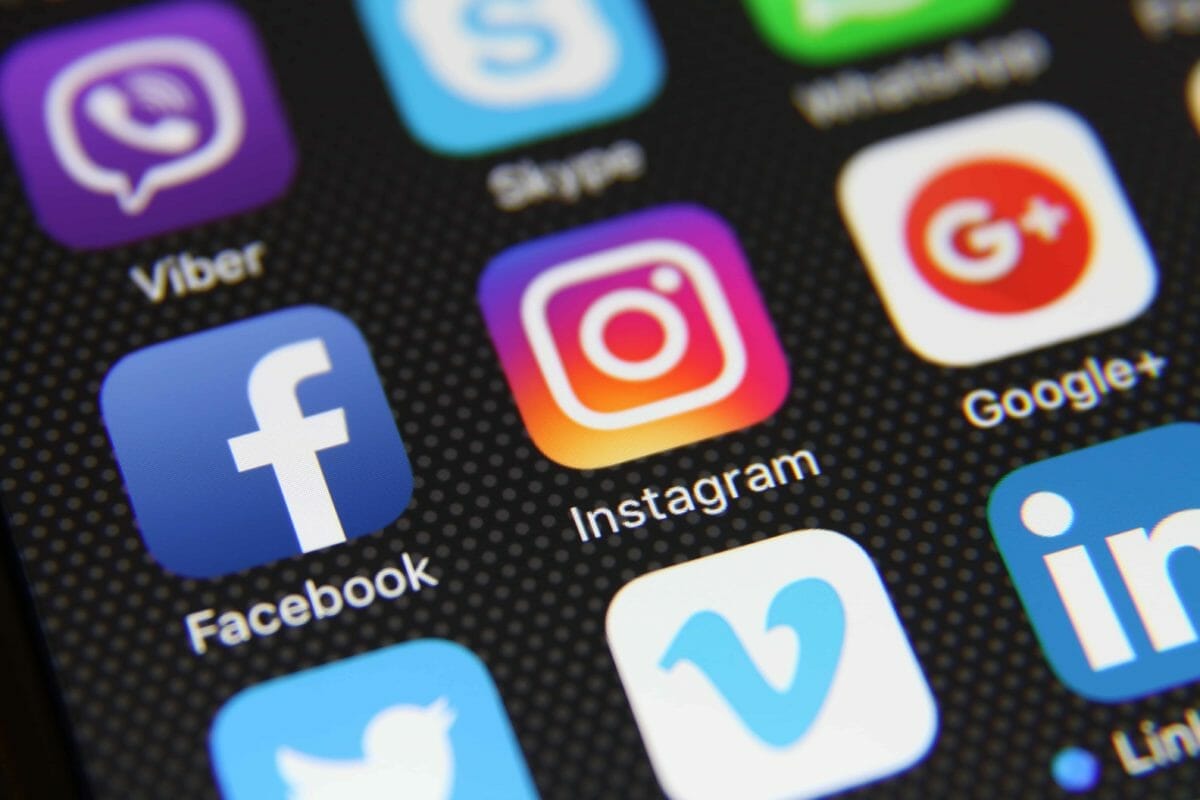
Berlin, Germany - 05 21 2016: Apple iPhone 6s screen with social media applications Facebook, Instagram, Twitter, Google, Youtube, Vimeo, LinkedIn, Pinterest, WhatsApp etc.

New Zealand’s largest investors are urging Facebook, Google and Twitter to take more responsibility for what is published on their platforms, following the live-streaming and sharing on social media of last week’s Christchurch terror attacks.

In a joint shareholder engagement the largest investors in New Zealand with combined assets under management of NZ$90 billion ($61.6 billion) – New Zealand Super Fund, the Accident Compensation Corporation, the Government Superannuation Fund Authority, the National Provident Fund and Kiwi Wealth – called on the tech giants to take more responsibility for the material they publish and fulfil their duty of care to prevent harm to their users and society.

“We have been profoundly shocked and outraged by the Christchurch terror attacks and their transmission on social media,” said Matt Whineray, chief executive of New Zealand Super Fund.

The New Zealand five, which all hold Alphabet, the parent of Google, and Facebook stocks, are calling on other global investors including sovereign wealth funds, asset owners and investment managers to join them in engaging with the tech companies, saying collective action will give the initiative the most impact.

The move follows increased engagement by institutional investors in investee companies around gun control and human rights.

Last year a coalition of 13 institutional investors whose assets total nearly $5 trillion, co-ordinated by the $229.2 billion California State Teachers’ Retirement System (CalSTRS), drew up a set of investor principles to improve the safety and responsibility of the firearms industry. New Zealand’s institutional investor community now want that ground swell to focus on big tech too.

Sponsored Content

“We are in the process of contacting other New Zealand and leading global investors, seeking their support for this initiative,” Whineray said.

In the Christchurch terror attack, the suspected killer posted a manifesto on Facebook and broadcast live footage of the attacks which have left 50 people dead in two Christchurch mosques. The video spread to other sites including Twitter and YouTube.

“These companies’ social licence to operate has been severely damaged. We will be calling on Facebook, Google and Twitter to take more responsibility for what is published on their platforms. They must take action to prevent this sort of material being uploaded and shared on social media. An urgent remedy to this problem is required,” Whineray said.

The group will focus their engagement on requesting more details from the tech companies on how they monitor and censor “objectionable and extremist content;” their policies on user accounts sharing such content and their investment in safety measures.

New Zealand’s investor cohort are also examining whether the companies have breached New Zealand laws and regulations.

“Our responsible investment decisions are guided by New Zealand law and major policy positions of the New Zealand Government. We are therefore also investigating whether there have been breaches of any New Zealand laws or regulations by these companies and monitoring potential changes to Government policy,” he said.

New Zealand’s lead will add to, and help group, existing pressure on the tech companies from a handful of individual investors. Lone investors with strong responsible investment beliefs have spoken out about Facebook in the past. For example, Nordic financial group Nordea banned investments in Facebook temporarily last year as it assesses the impact of multiple investigations into the social network’s handling of personal data.

In a broader coalition, US public pension funds including $175 billion New York City Pension Funds, as well as the state treasurers of Pennsylvania, Illinois and Rhode Island, have demanded that Facebook install an independent chairman rather than have CEO and founder Mark Zuckerberg in that post too.

“An independent board chair is essential to moving Facebook forward from this mess, and to re-establish trust with Americans and investors alike,” said New York City Comptroller Scott M. Stringer speaking last year during the Facebook data breach. New York City’s pension fund holds roughly $747 million of Facebook stock.

Other investors have also got big tech on their radar. Sweden’s SEK490 billion ($53.8 billion) AP7 has previously called for more regulation of internet companies.

The United Kingdom’s £2 billion Church of England Pension Board, where tech companies account for 7-8 of its top 10 equity holdings, is also invested in Facebook, said chief investment officer Pierre Jameson.

The investor’s ethical investment advisory group is about to begin an in-depth report into ‘big tech’ which will cover issues like regulation, privacy and taxation.

“It will be a substantial piece of work. Like our policy on the extractive industry,” Jameson said.

Leave a Comment

La Caisse’s oil exit pays off as renewables portfolio pulls ahead of fossil fuels

La Caisse’s oil exit pays off as renewables portfolio pulls ahead of fossil fuels

Divesting from the oil sector has been a boon for La Caisse’s performance, as the Canadian pension giant says its energy investments have earned billions in value-add compared to the benchmark since the inception of its climate strategy. Head of sustainability Bertrand Millot unpacks the fund’s approach in an interview with Top1000funds.com.

Sort content by

Learning to see with a risk 2.0 lens

What happens if we examine past financial crises through a risk framework that acknowledges the adaptive, interconnected nature of real markets? Researcher at Thinking Ahead Institute Andrea Caloisi explores the application of a 'risk 2.0' framework to historical events. 

The future is a riskier place than the present

In this regular column for Top1000funds.com, Tim Hodgson of the Thinking Ahead Institute argues that the future is riskier not only because it is uncertain, but because the quantum of risk increases with time. He unpacks what this means for investors' risk analysis and the term 'risk premium'. 

AP4: Why a dynamic, shorter term allocation is paying off

Volatile markets have provided a rich hunting ground and opportunistic best ideas have come thick and fast for AP4’s new five-pronged global allocation made up of systematic equity, currency and rates, asset allocation, hedge funds/external mandates and analysis. Magdalena Högberg explains the risks and opportunities of the best ideas allocation.

Japan University Fund expands active allocation guided by risk factors

The $77 billion Japan University Fund is stepping up active strategies and introducing country-specific passive allocations as the young endowment, established only in 2022, builds out the policy portfolio. Co-CIO and the head of global investment department Naoya Sugimoto speaks about JUF's vision and manager expectations.

More funds consider TPA despite challenges

In January 2020, Roger Urwin laid down a call to action for asset owners and corporations to use the decade to drive greater wellbeing and wealth in the lives of their stakeholders. Now halfway through the decade, he reviews the state of play in this complicated picture.

Investors brace for volatility as tariffs spark global reckoning

The investors which will do well in times of market volatility will have the ability to do extensive, forward-looking scenario analysis, move assets tactically and dynamically and have liquidity. Top1000funds.com looks at investor reactions to tariff-induced market volatility.




